
Phase 1: The Hidden Exhaustion of Cognitive Load
Have you ever left a lively dinner party or a busy restaurant feeling completely drained? It is not social fatigue; it is a measurable medical phenomenon known as cognitive load.
Your ears are essentially microphones that collect sound waves and convert them into electrical signals. Your brain’s auditory cortex is the computer that decodes those signals into recognizable words. In a healthy auditory system, this process is subconscious and effortless.
When your hearing is impaired, the cochlea transmits an incomplete, muffled, and degraded data stream to the brain. Imagine trying to read a complex book where every third letter is erased. To comprehend the story, your brain must actively intervene:
- Contextual Guessing: The brain deploys executive functions to frantically calculate what words logically fit into the gaps.
- Visual Dependency: It forcedly redirects energy to watch lip movements and facial expressions.
- Resource Reallocation: Because massive neurological energy is burning just to decode basic speech sounds, the brain strips processing power away from short-term memory and cognitive storage.
[Incomplete Audio Signal] ➔ [Brain Deploys Executive Functions] ➔ [Working Memory Overloaded] ➔ [Mental Exhaustion]
This permanent state of over-activation explains why untreated hearing loss triggers rapid mental fatigue, memory deficits, and eventual social withdrawal. Your brain is quite literally running out of processing fuel.
Phase 2: Auditory Deprivation (The "Use It or Lose It" Reality)
Phase 3: How Modern AI Microphone Arrays Pre-Sort the World
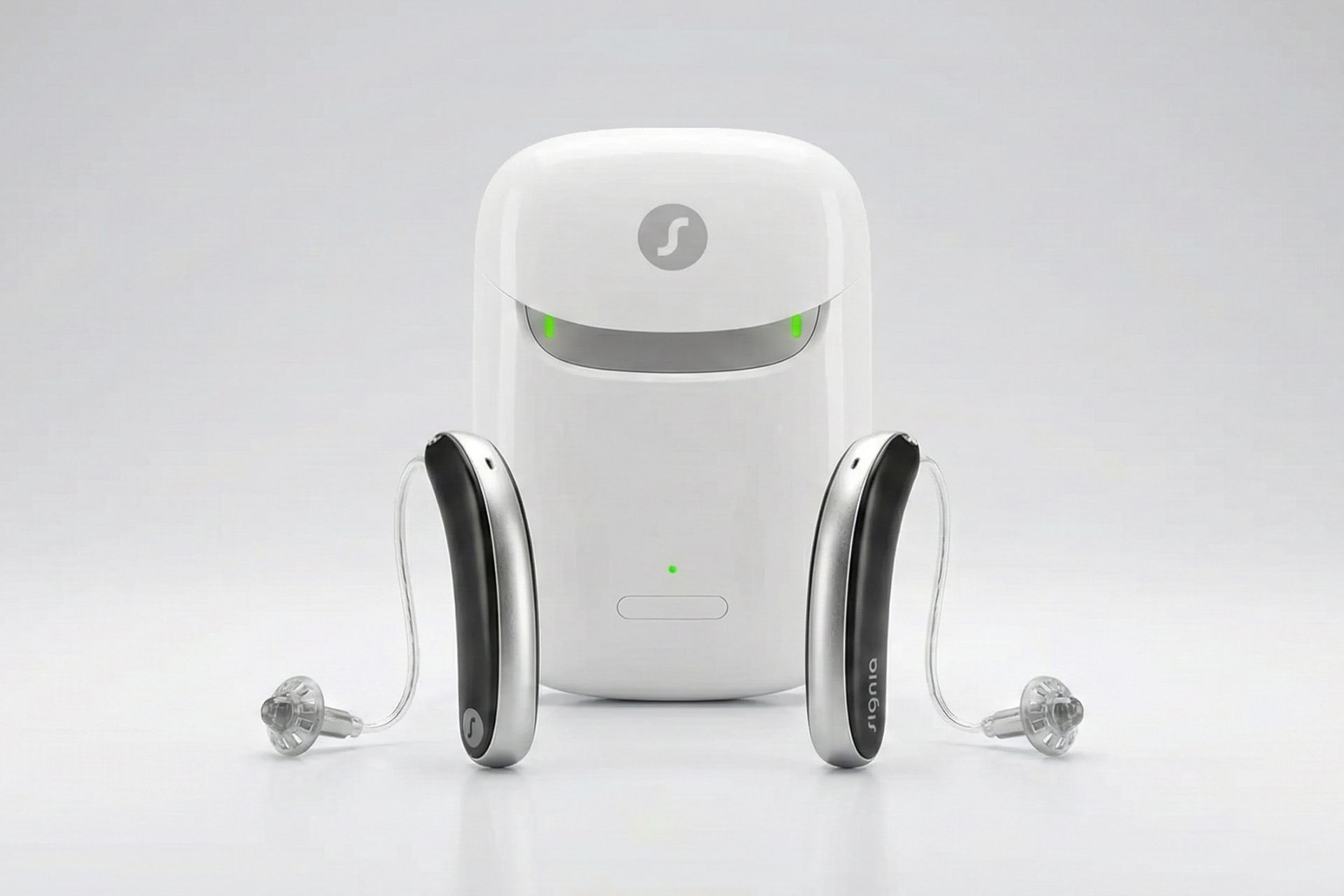
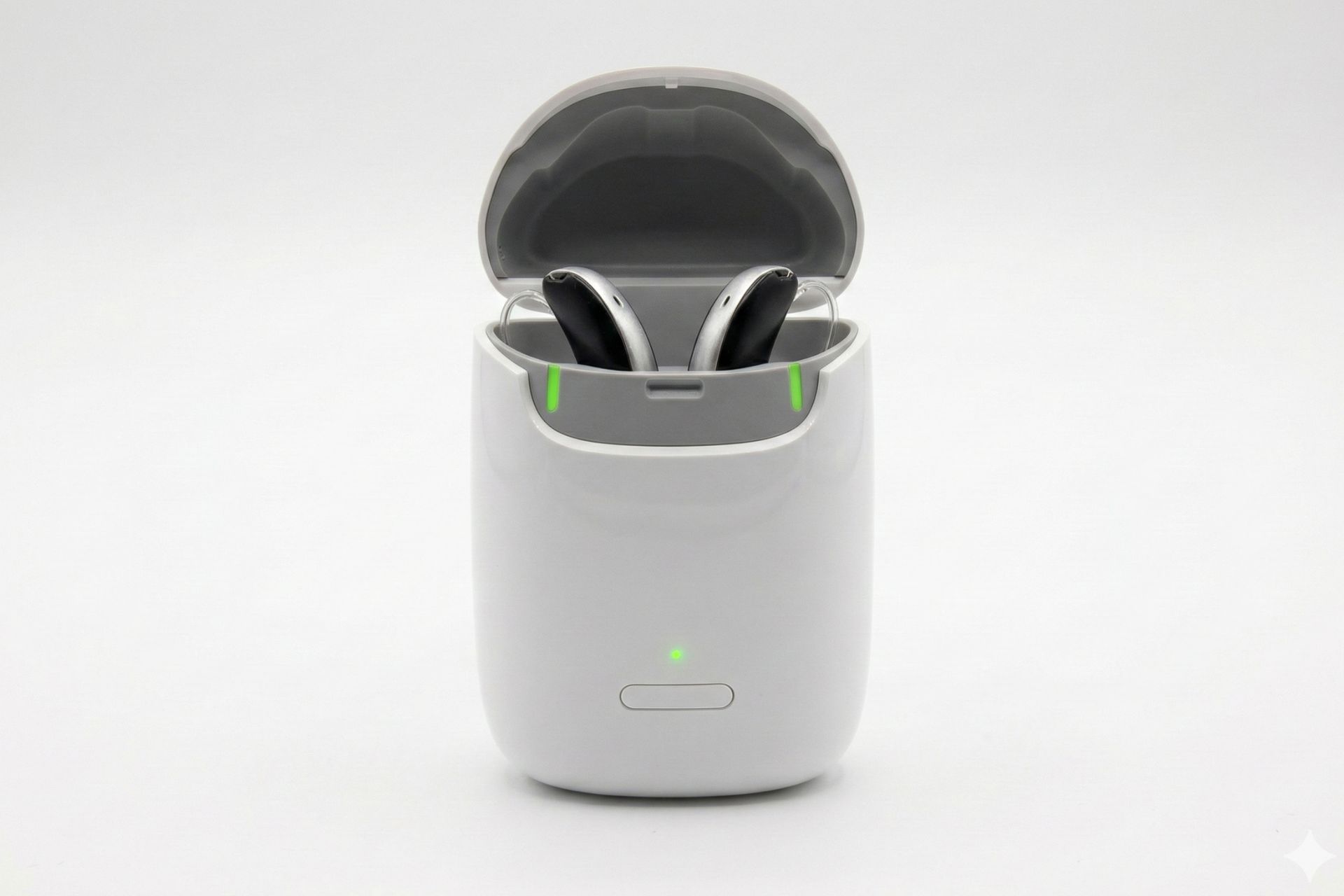
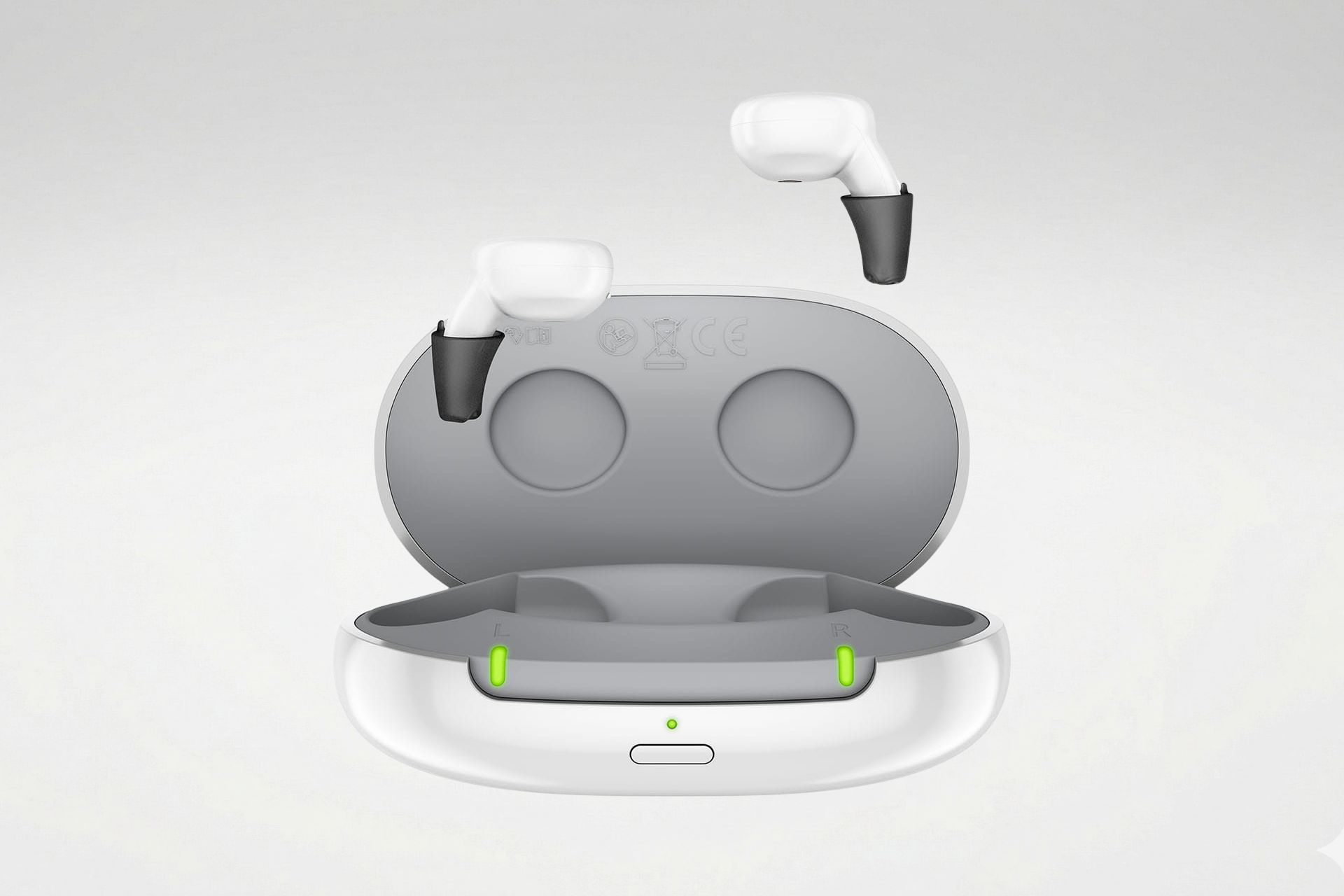
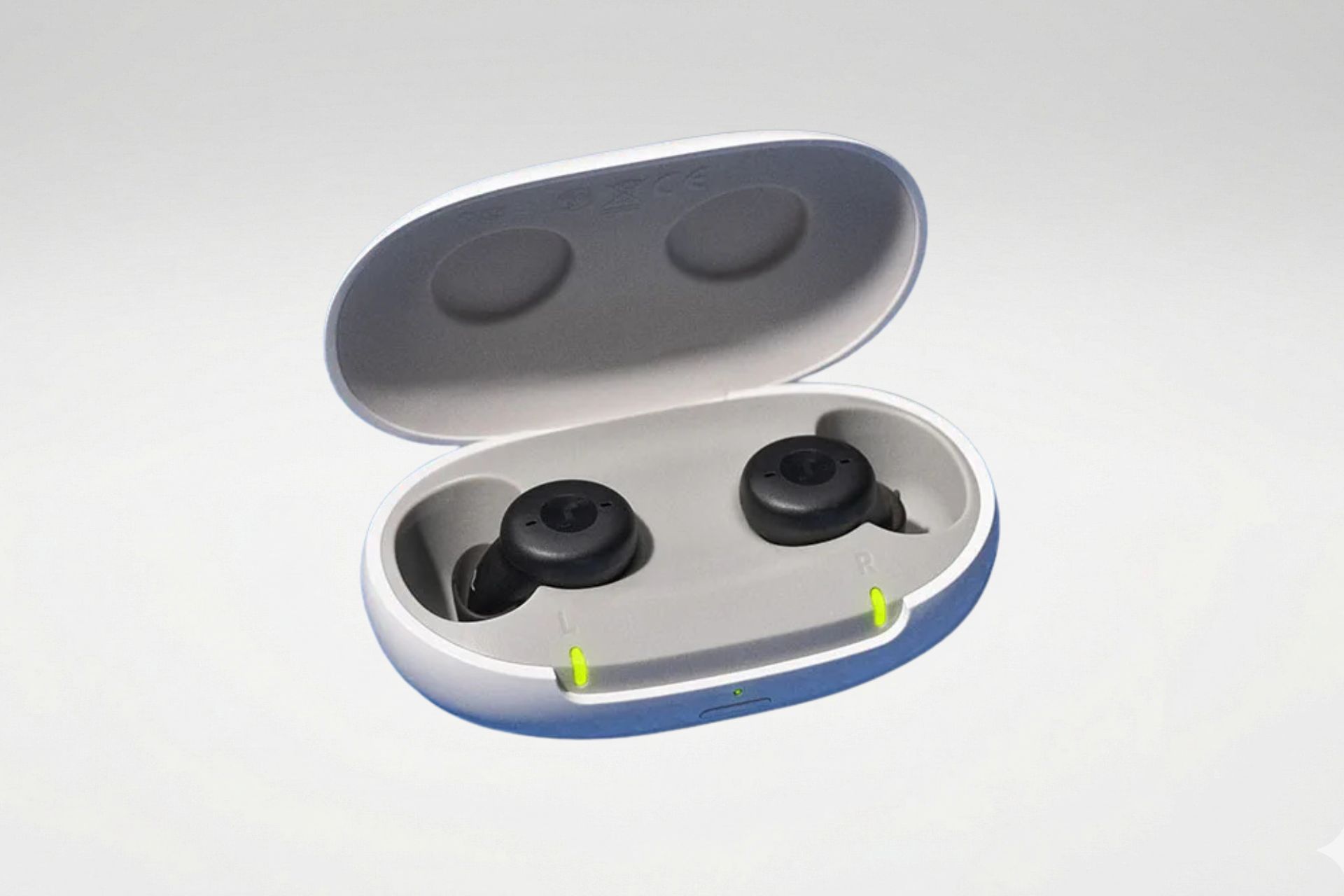
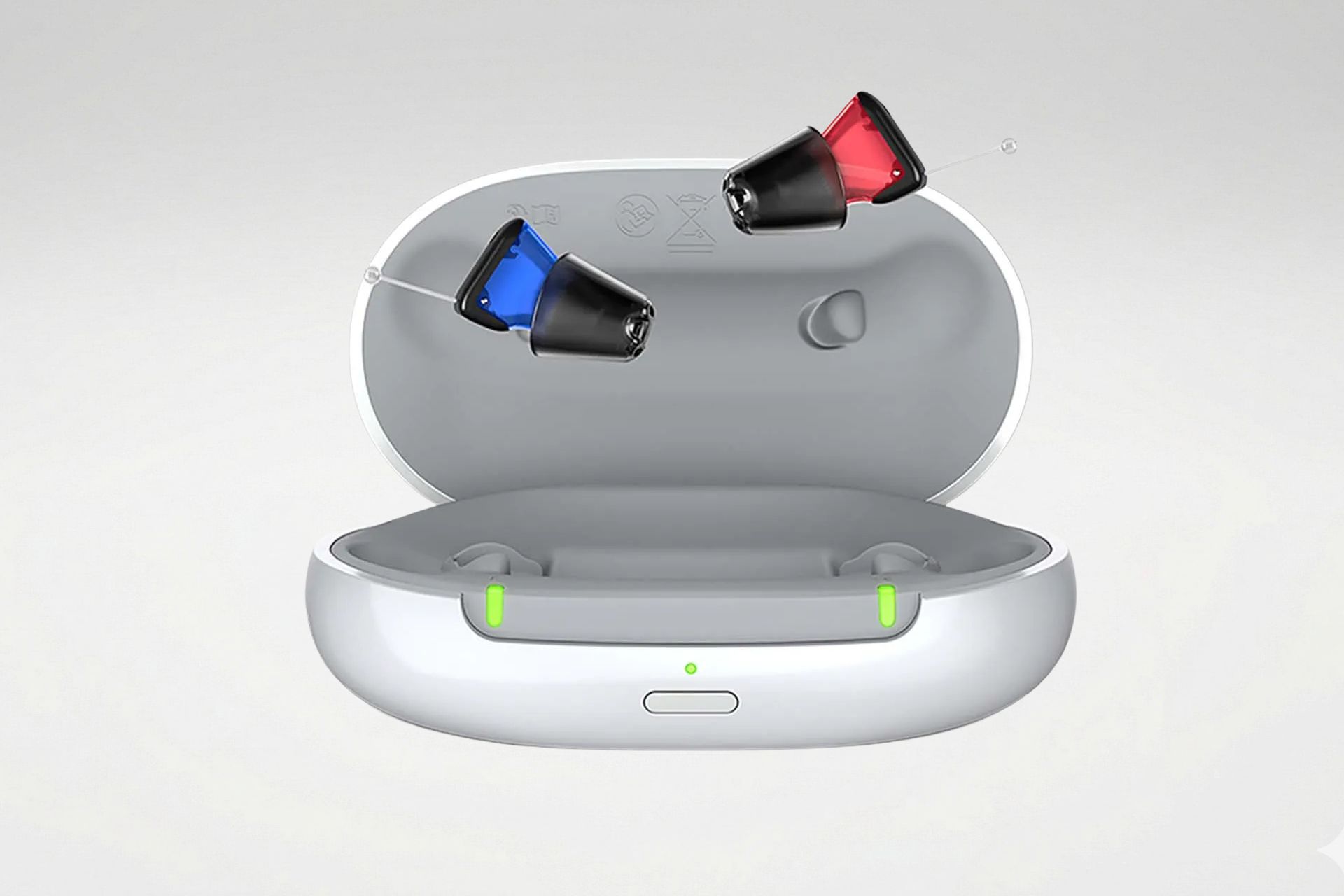
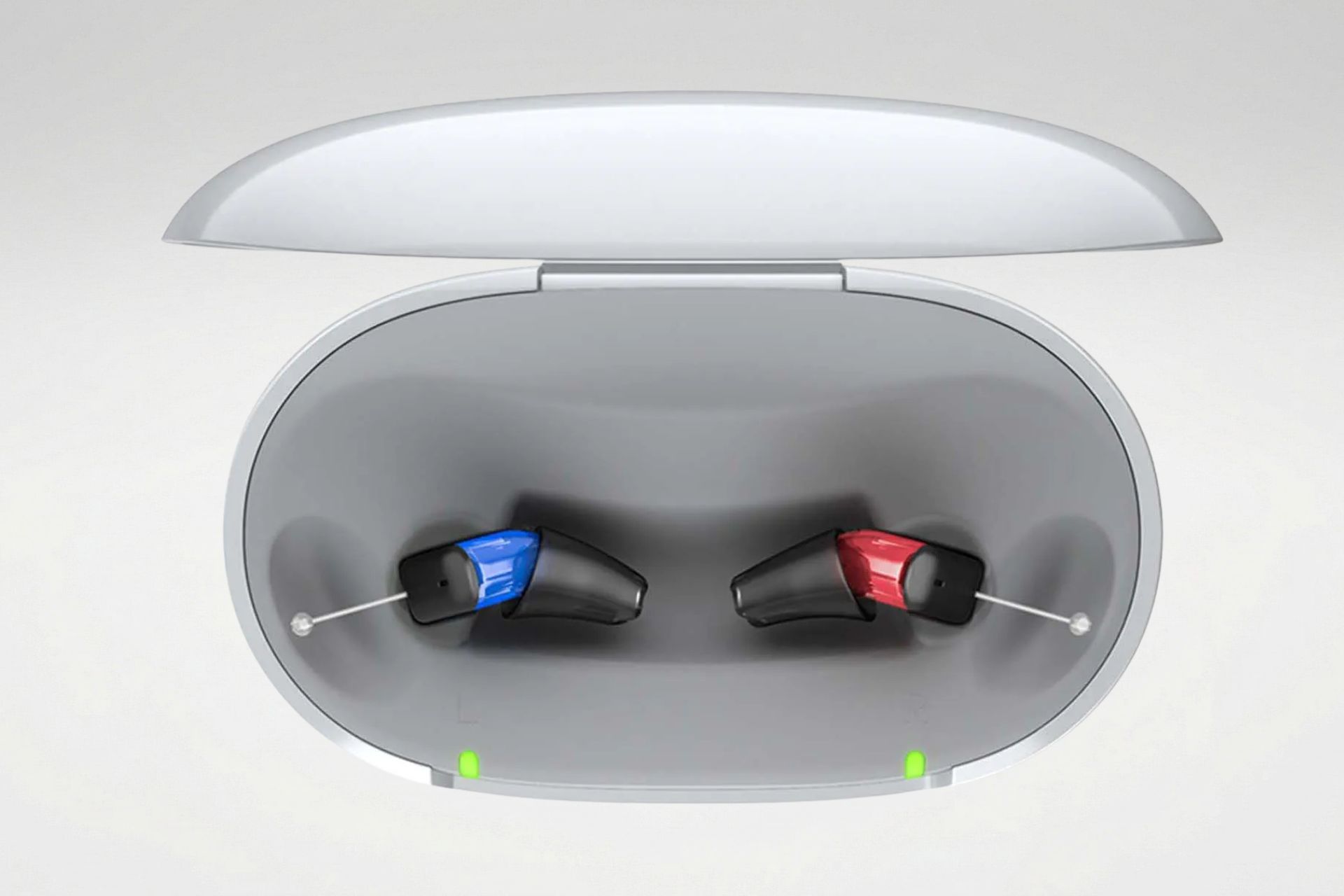
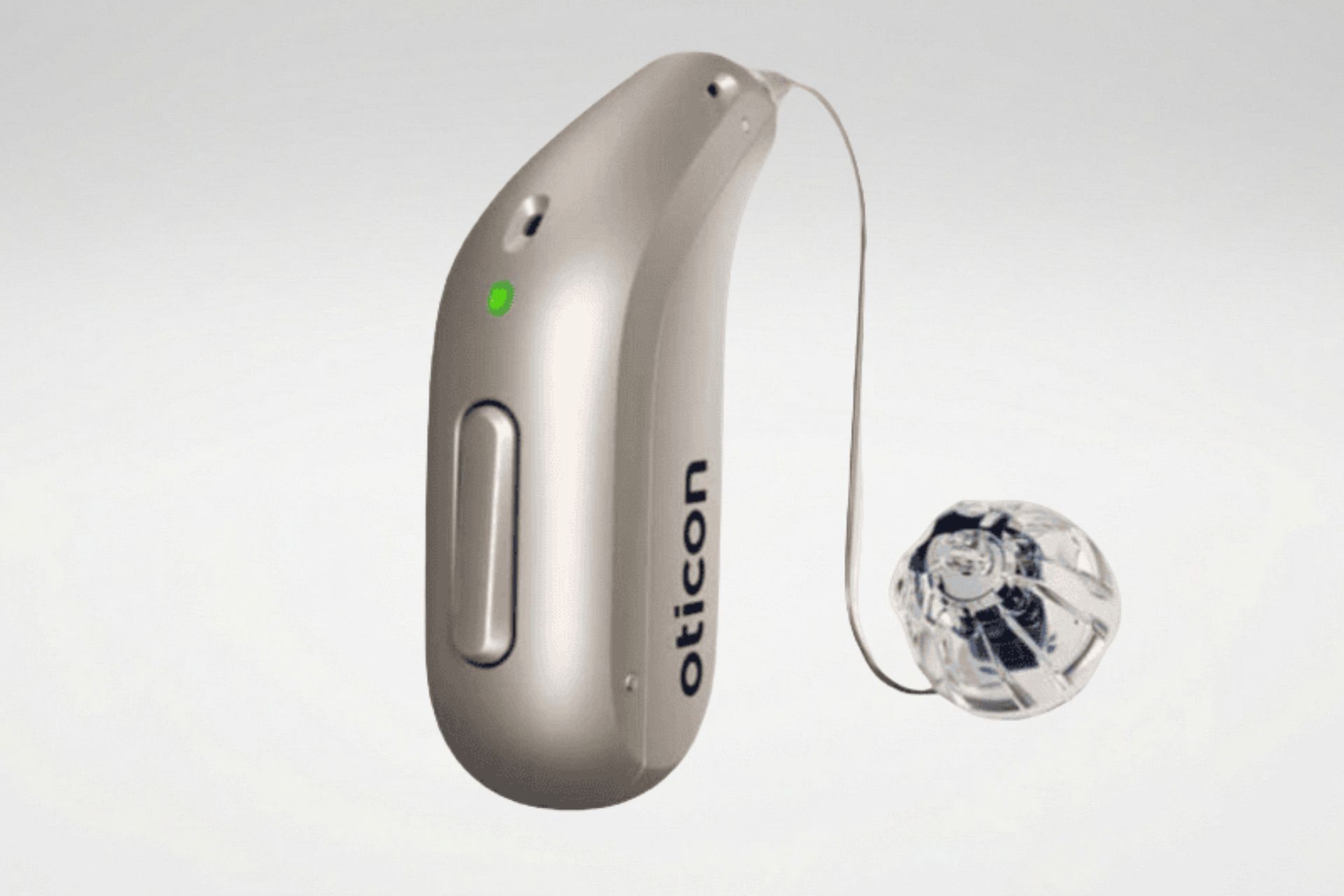
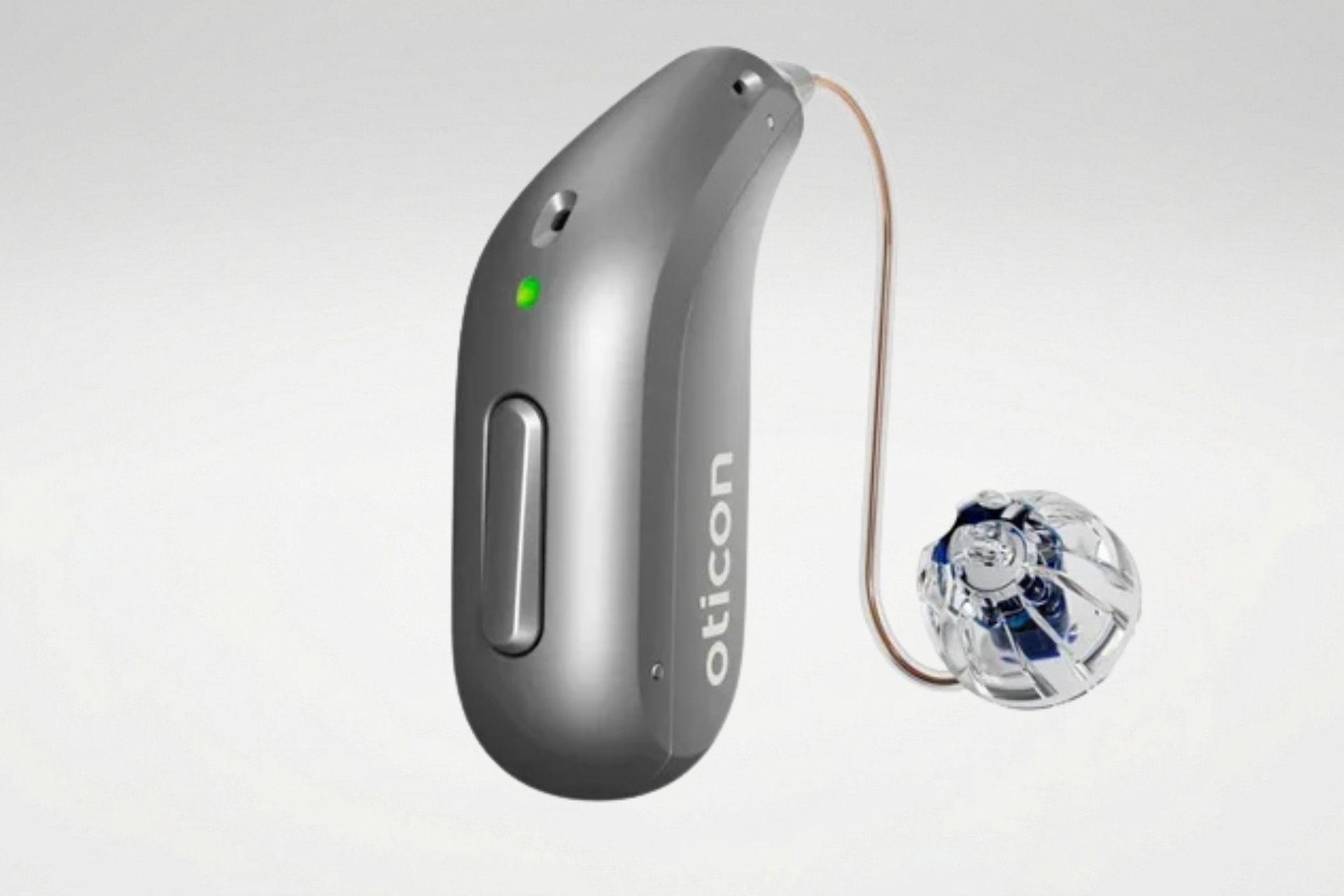
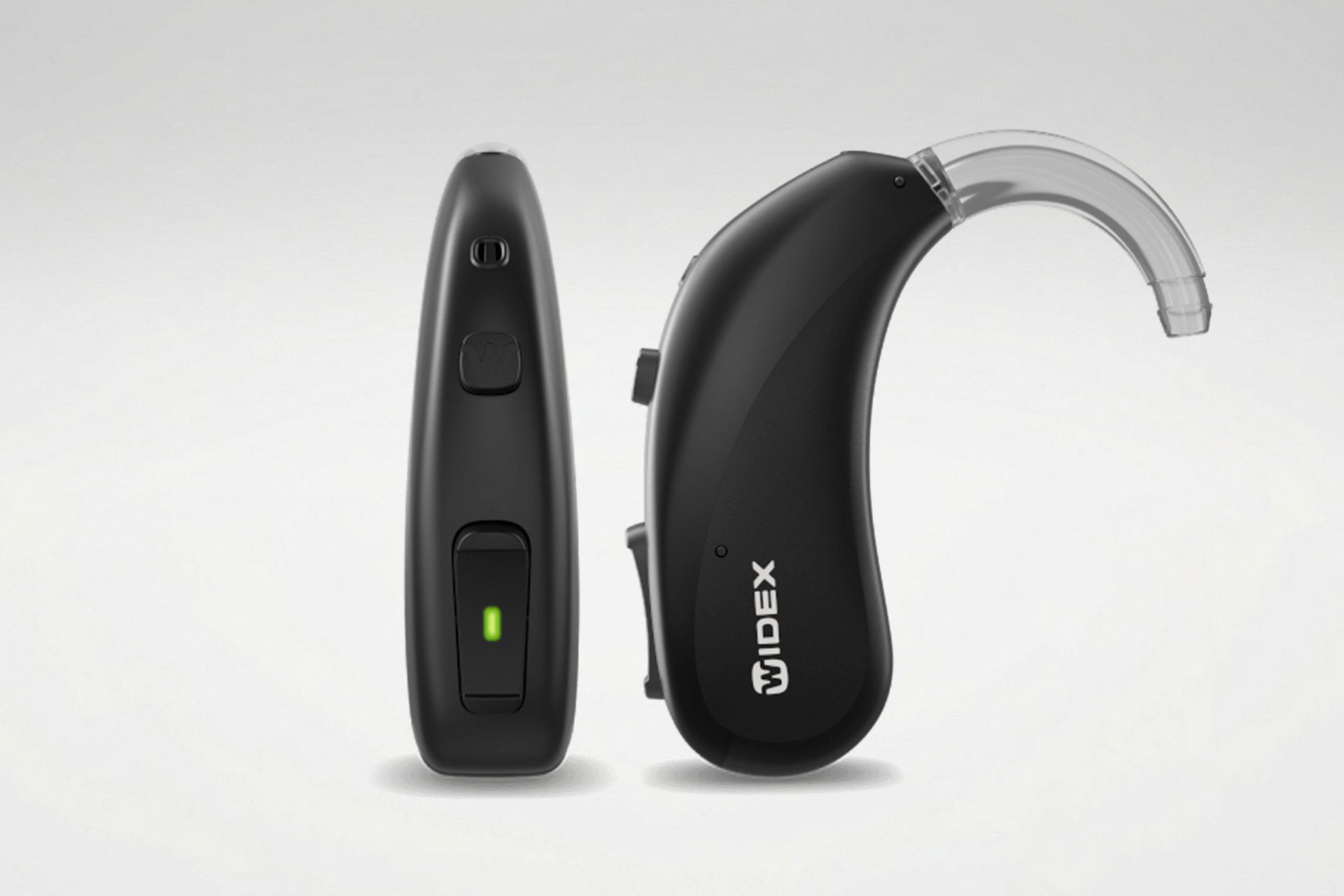
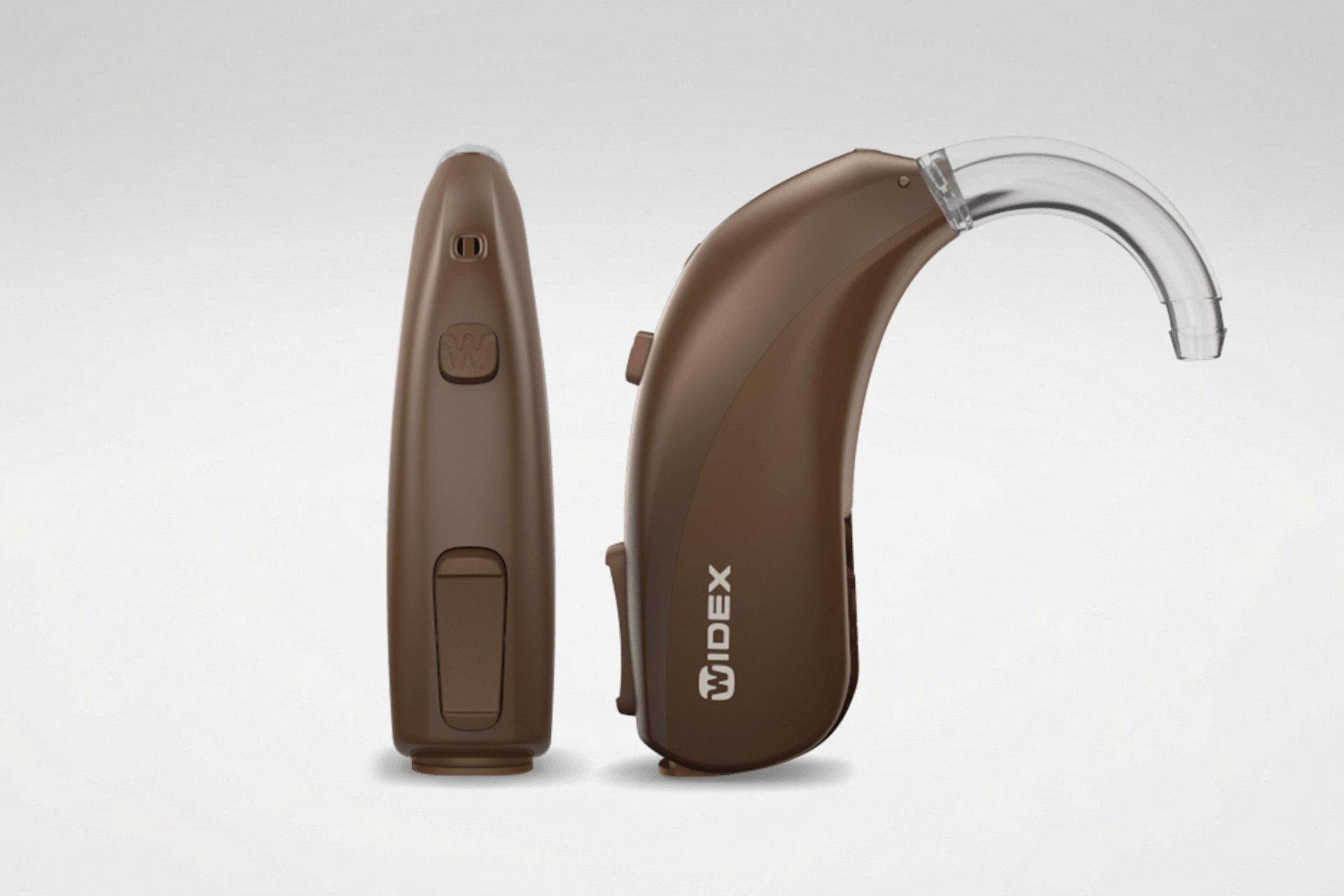
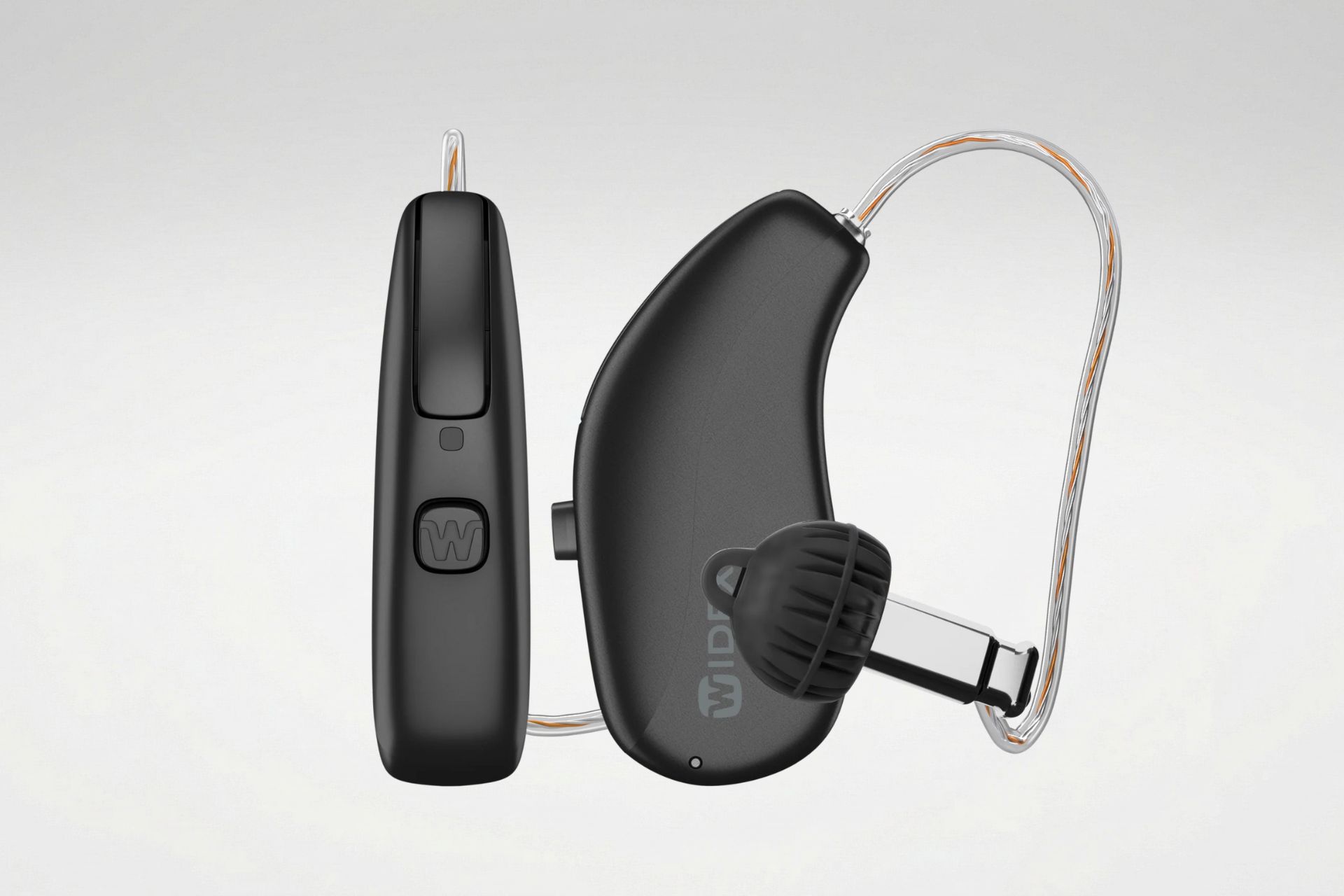
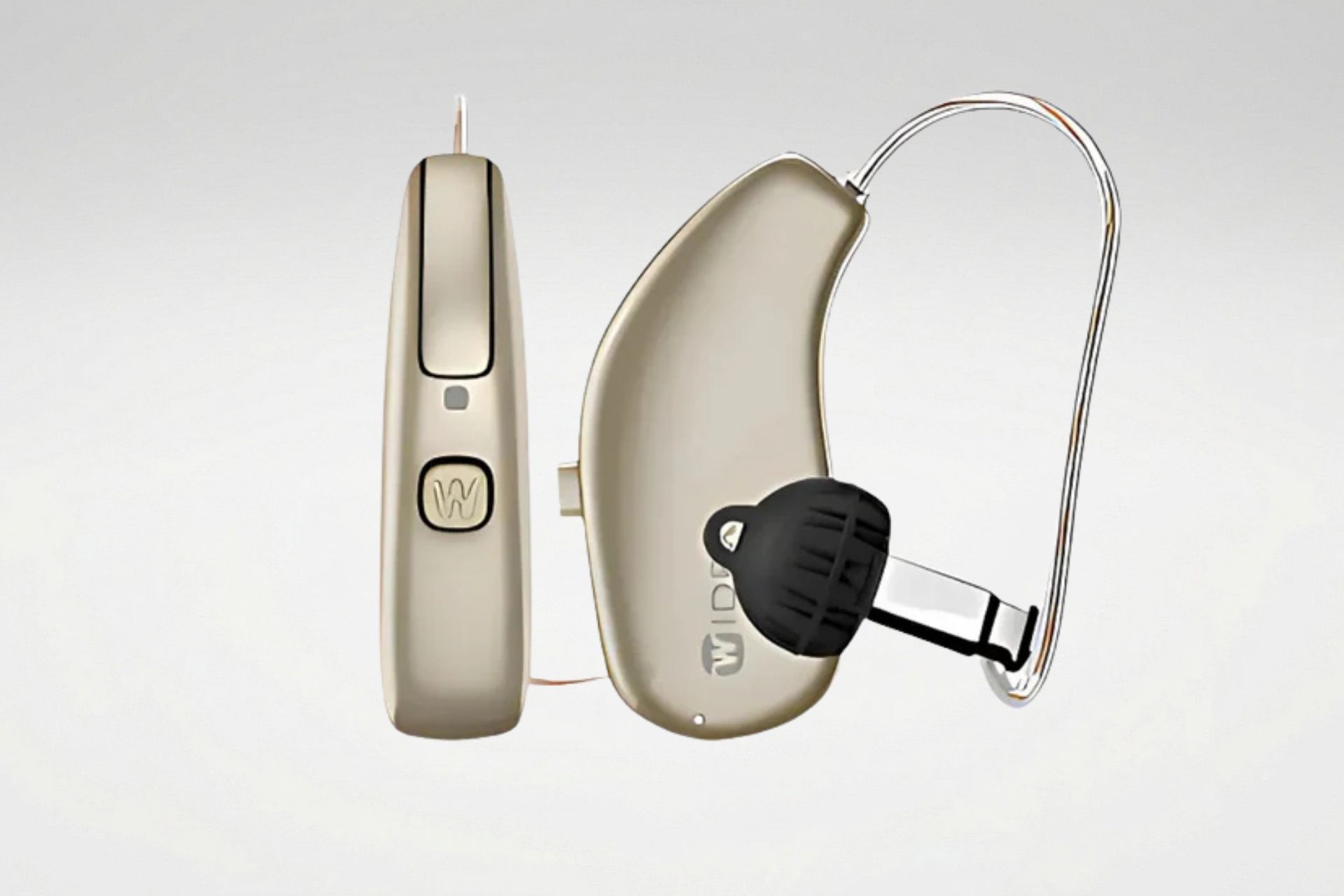
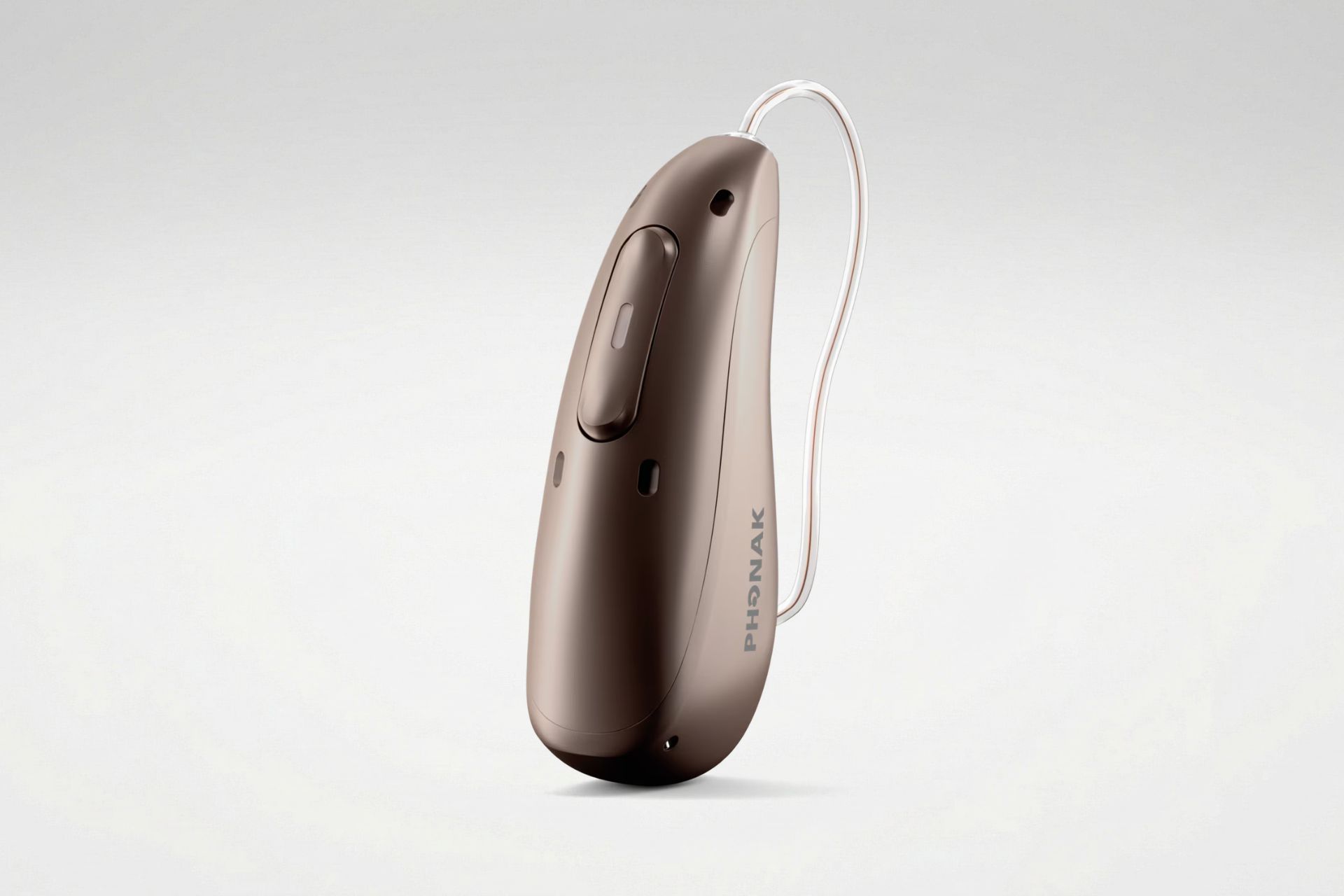
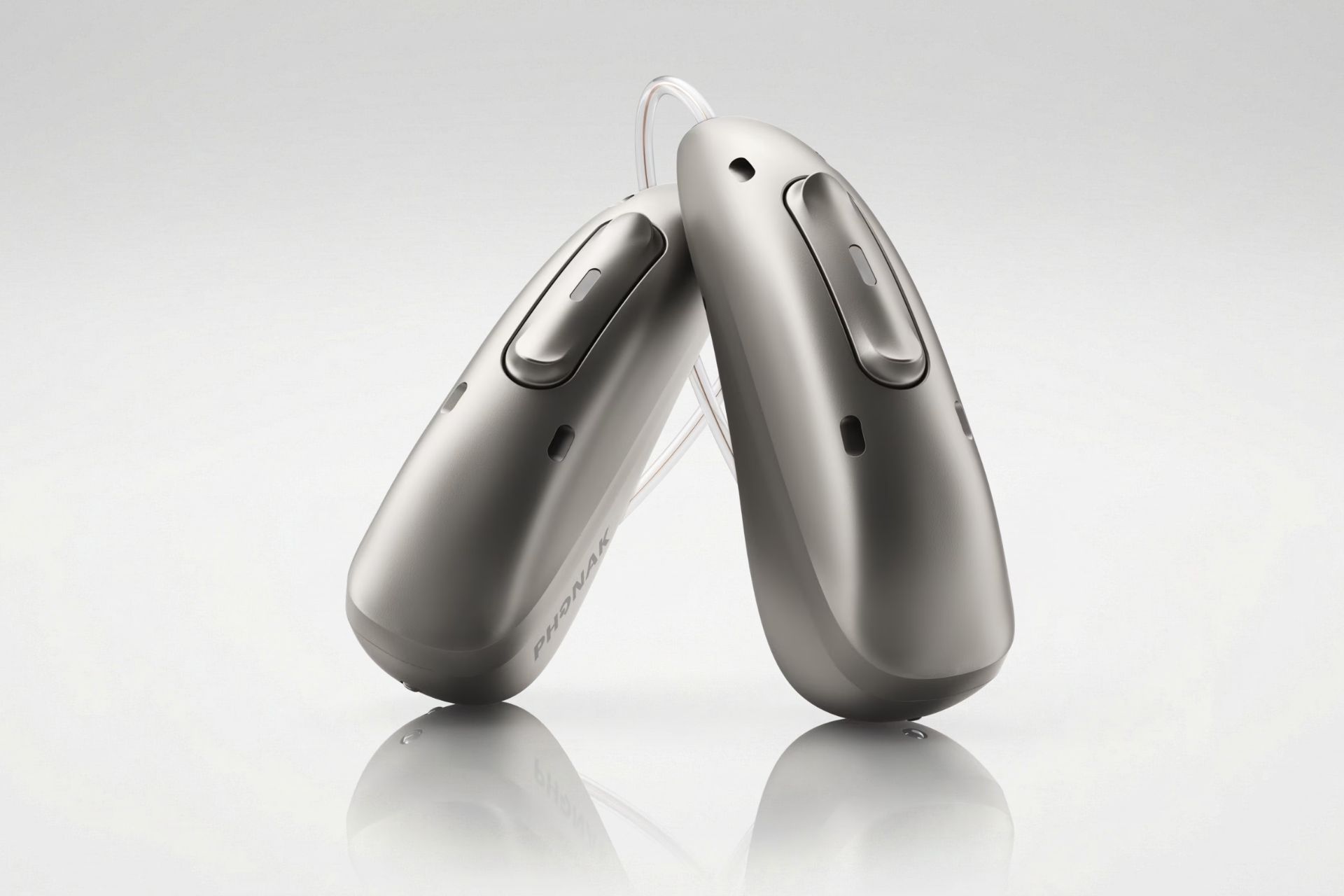
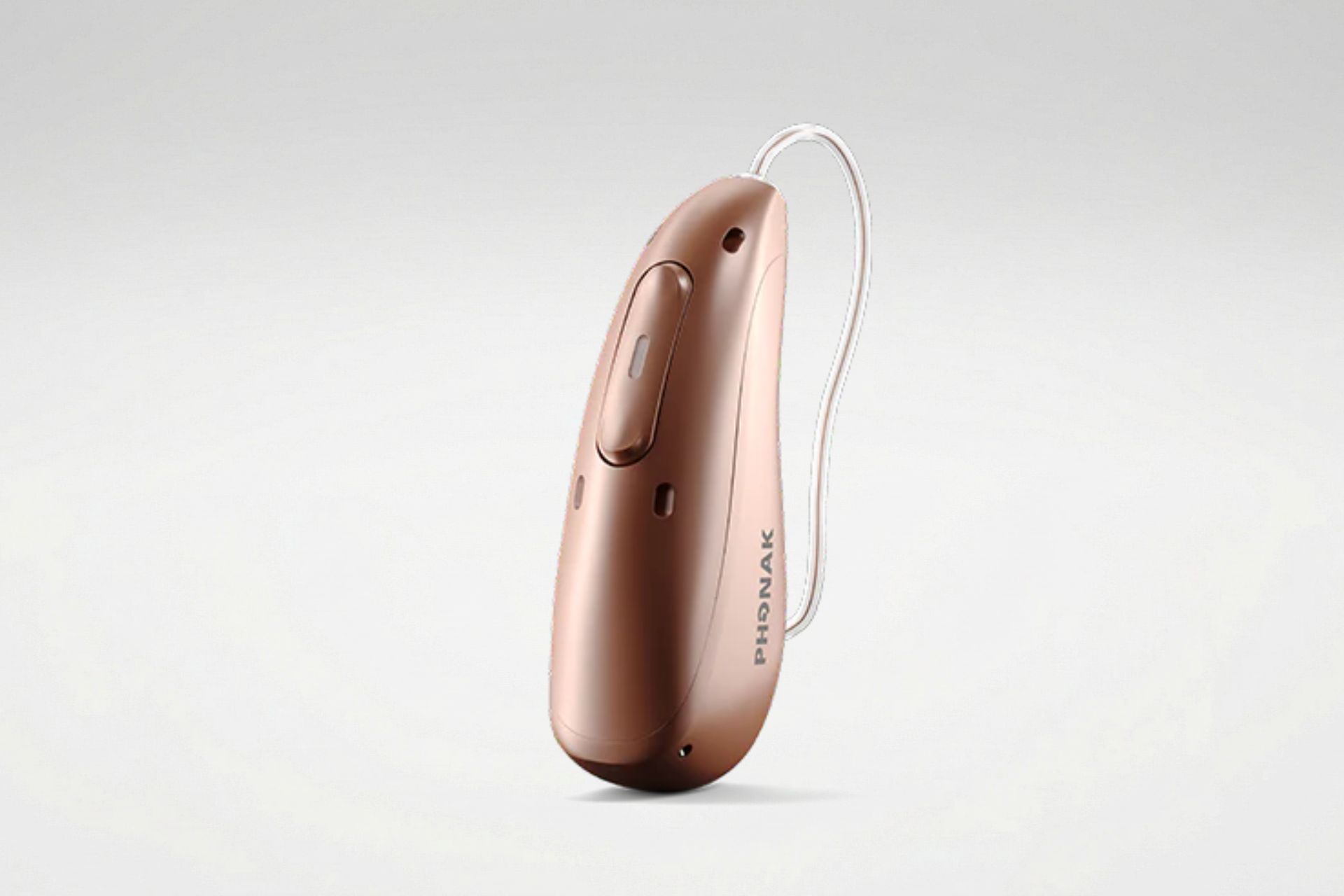
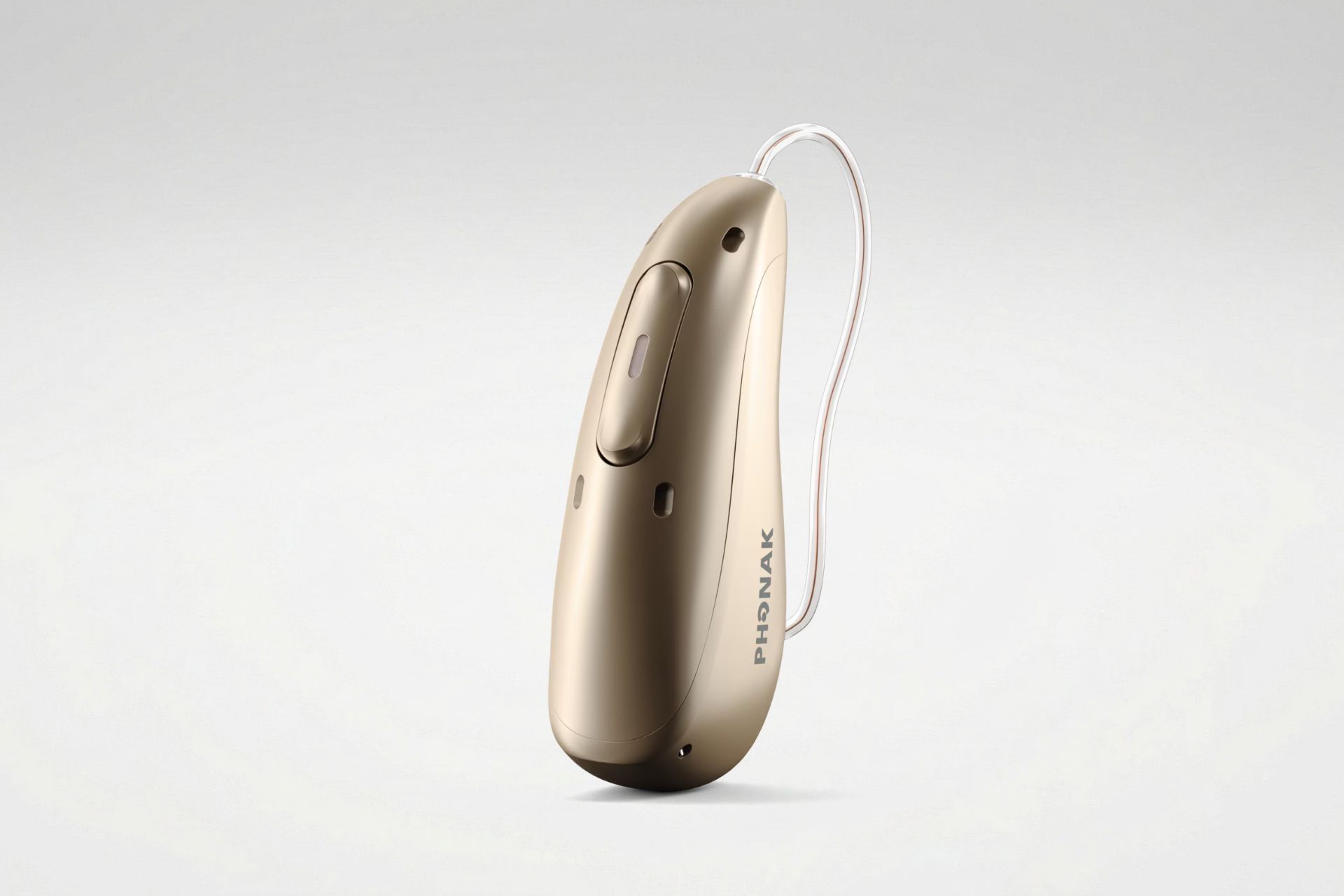
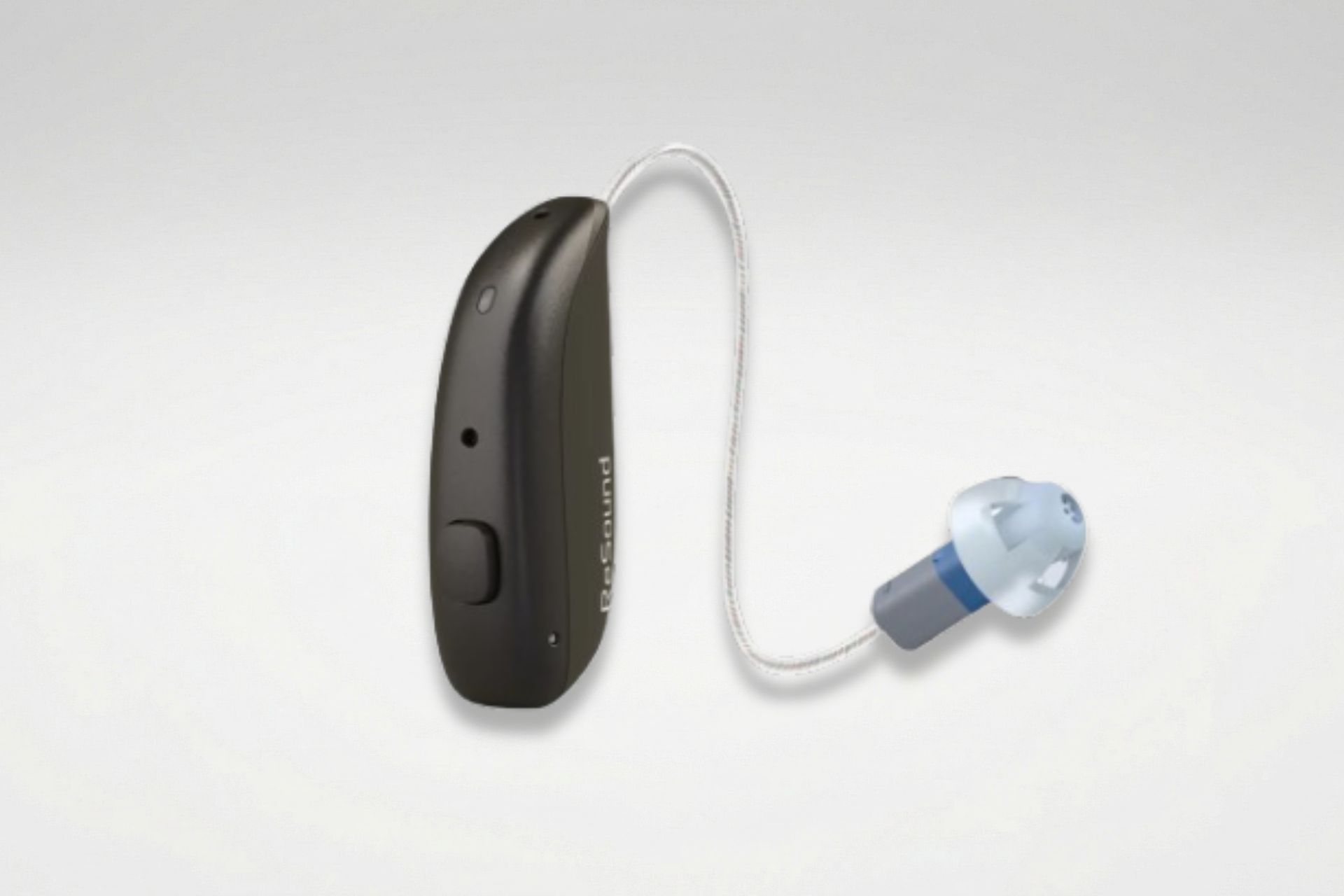
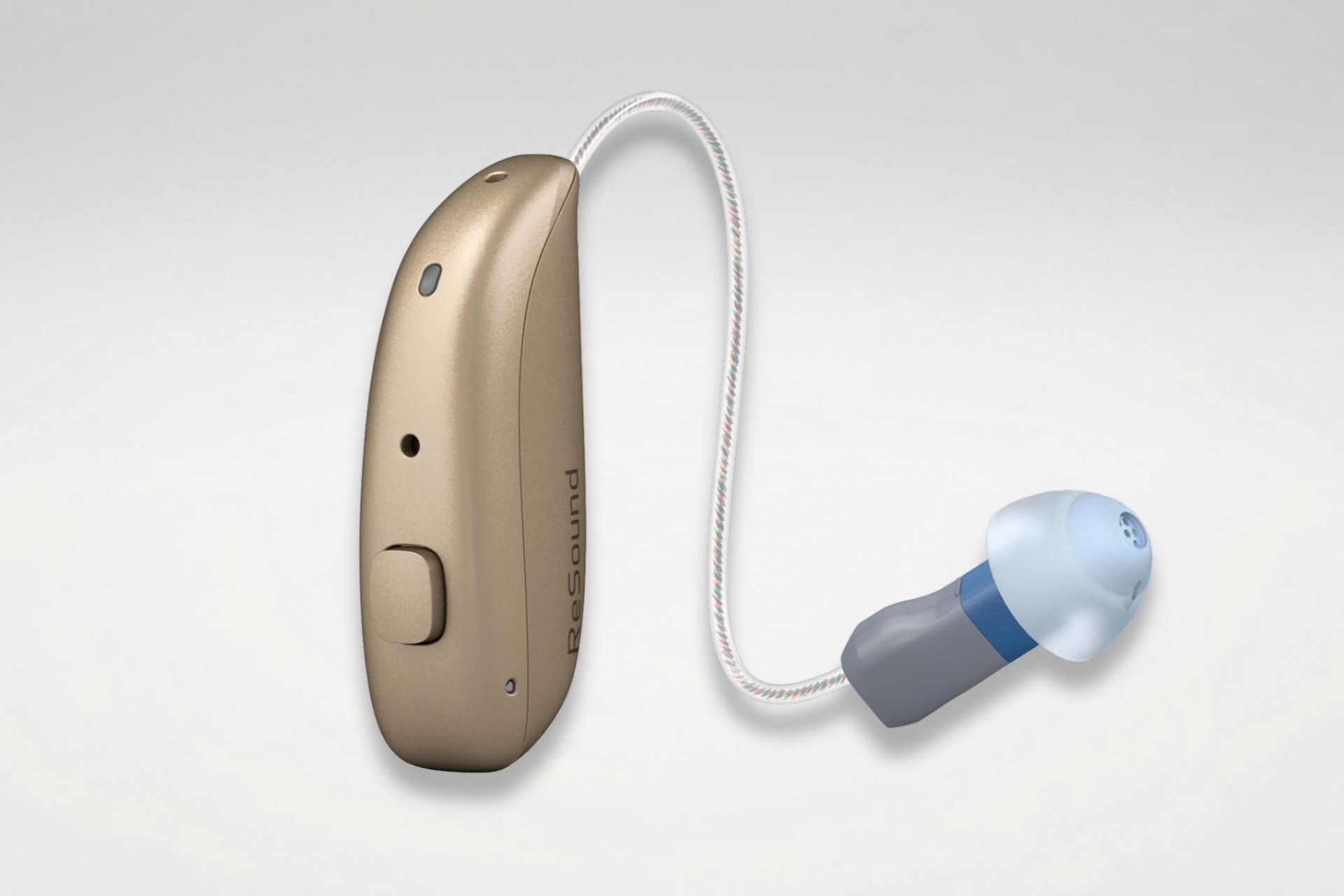
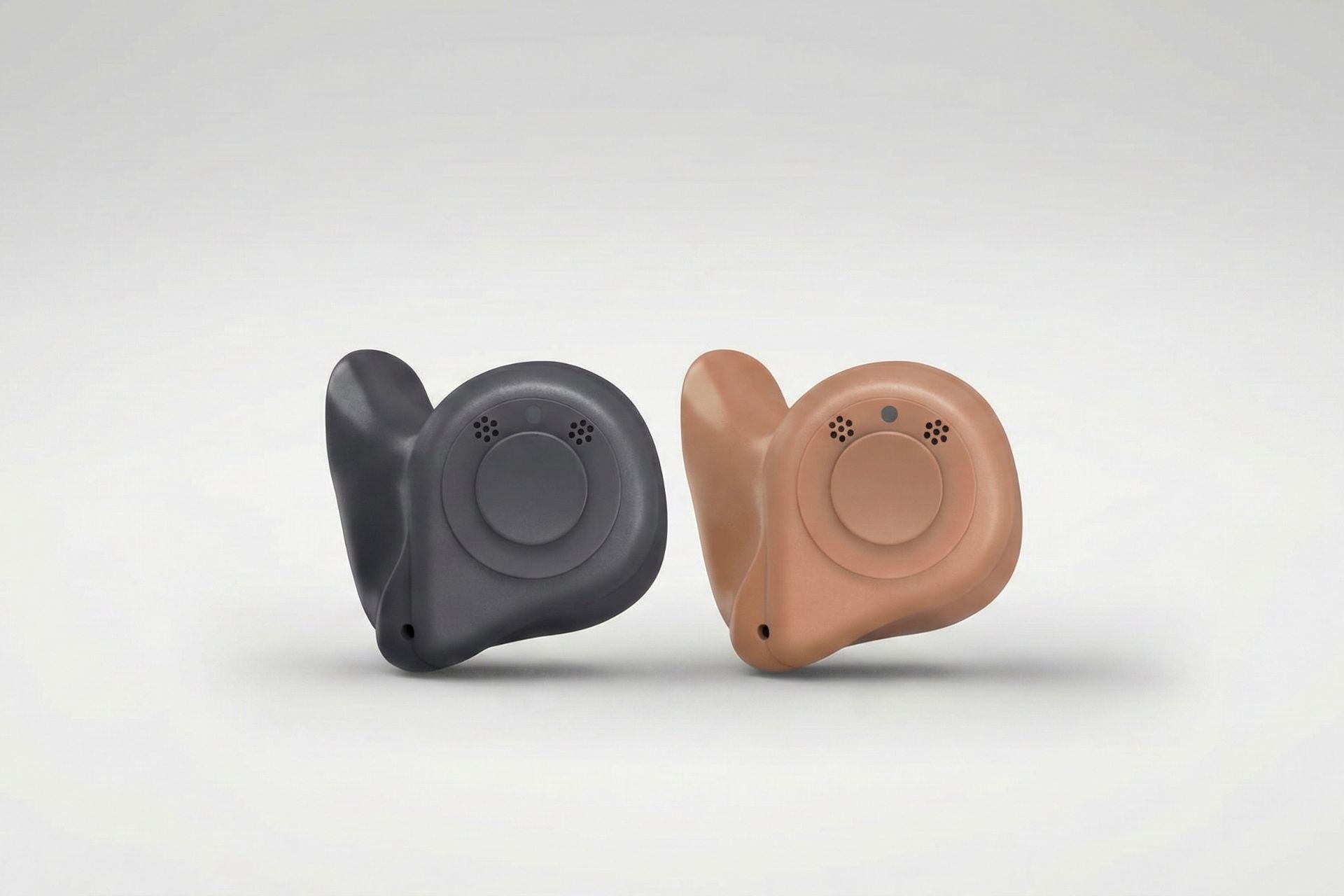
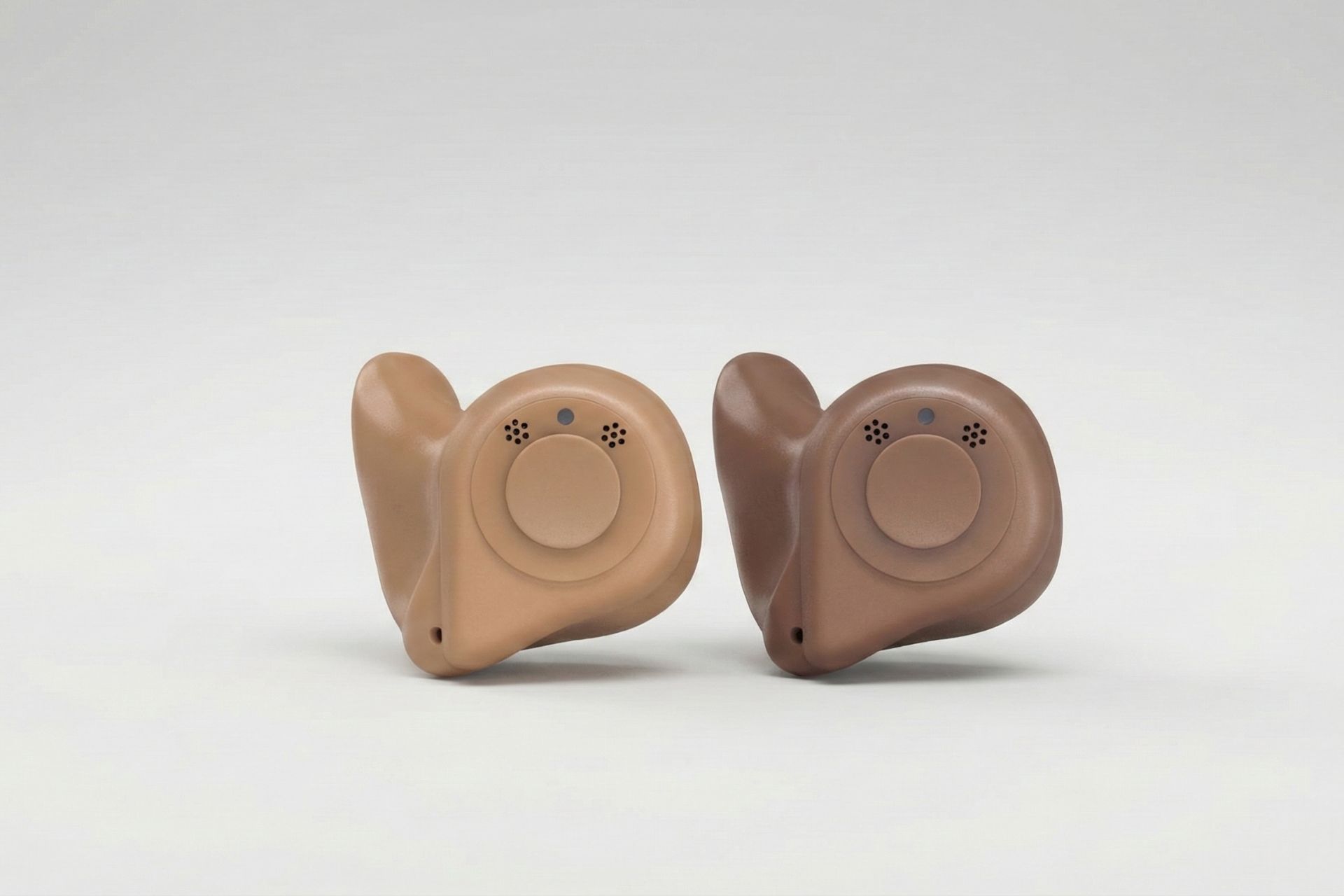
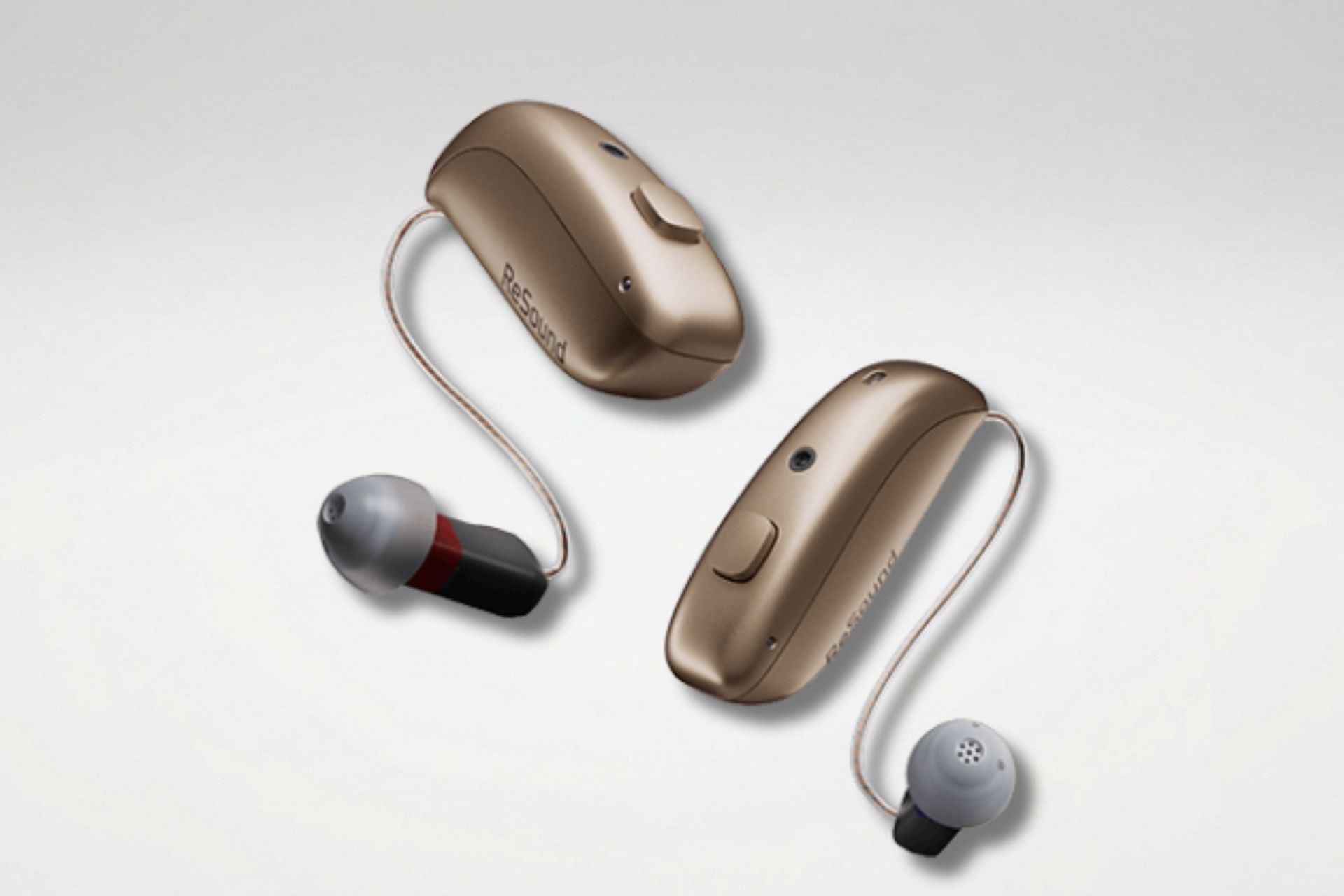
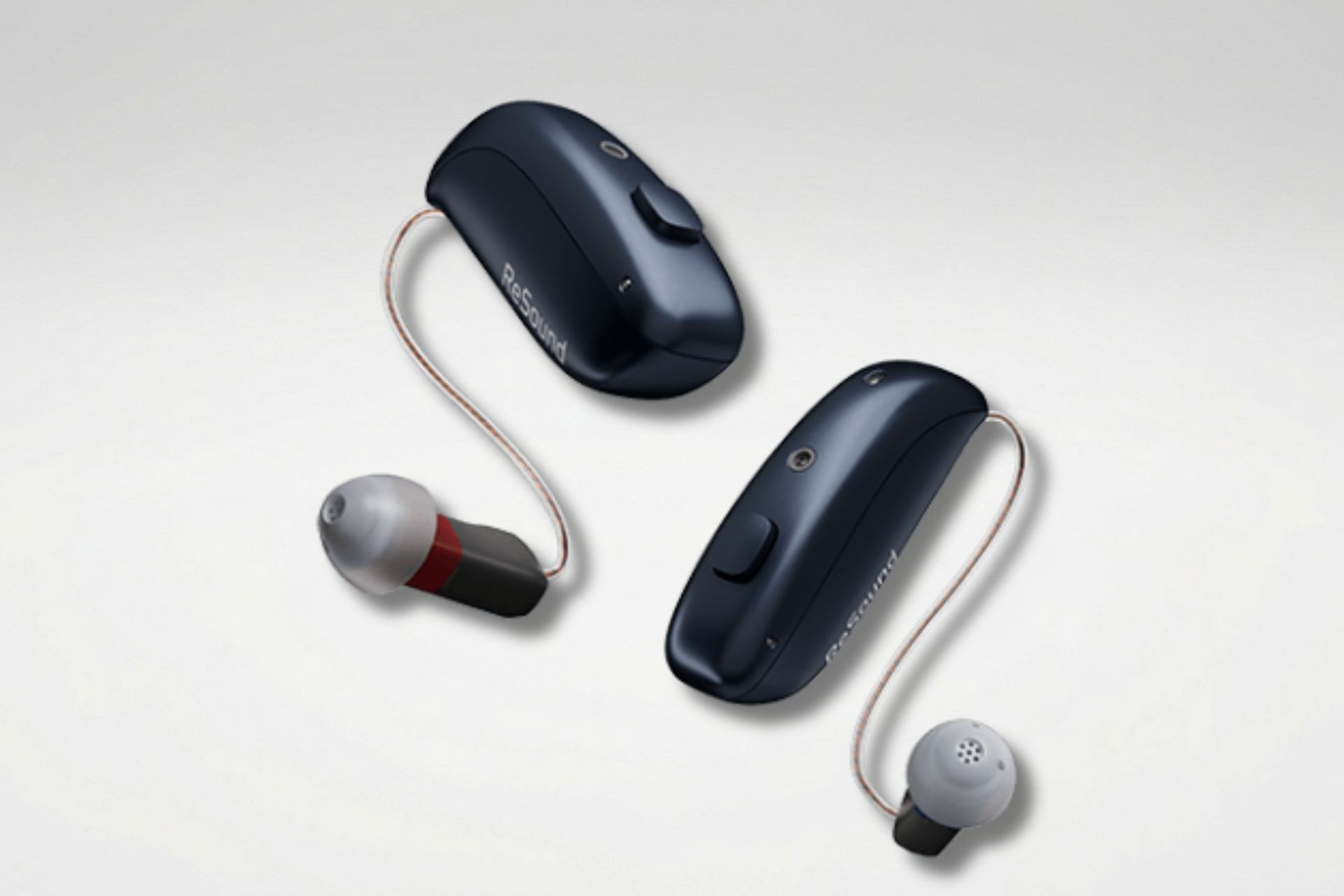
To halt auditory deprivation and entirely relieve cognitive load, modern hearing technology has evolved past basic amplification. Today’s premium devices act as advanced computational filters, cleaning up the acoustic environment before sound ever enters your ear canal.
1. Dual-Microphone Arrays & Directional Beamforming
Every premium hearing device utilizes at least two omnidirectional microphones spaced mere millimeters apart. When sound travels from the side or behind you, it hits Microphone A fractions of a millisecond before Microphone B.
The device’s microchip calculates this microscopic phase difference. Through a process called adaptive beamforming, the processor artificially delays and subtracts conflicting noise signals, creating a physical “cone of sensitivity” directly in front of the wearer. It isolates the target speaker while actively canceling out competing ambient sound fields.
2. Deep Neural Networks (DNN)
While beamforming manages the physical direction of sound, an internal Deep Neural Network handles environmental complexity.
These advanced microchips are trained in laboratory settings on millions of real-world sound samples, from chaotic train stations to windy outdoor spaces. The DNN analyzes the incoming soundscape hundreds of times per second, splitting the audio into multiple frequency channels. It instantly identifies chaotic background noise and separates it from the distinct harmonic structures of human speech.
Instead of relying on your damaged auditory nerve and exhausted brain to filter out a noisy room, the AI executes this separation computationally. By delivering a pristine, pre-sorted audio puzzle directly to your ear, the technology completely removes the need for contextual guessing.