

If you or someone you love has been told they need a hearing aids, the first question that usually comes up is — where do I even begin? There are so many options, so many brands, and so many features that it can feel overwhelming before you even get started.
The good news is that choosing the right hearing aid does not have to be complicated. Once you understand a few basic things, the decision becomes much clearer. This guide is here to walk you through everything in simple, straightforward language.
Understand the Different Types of Hearing Aid
Hearing aids come in several styles, and each suits different needs and preferences.
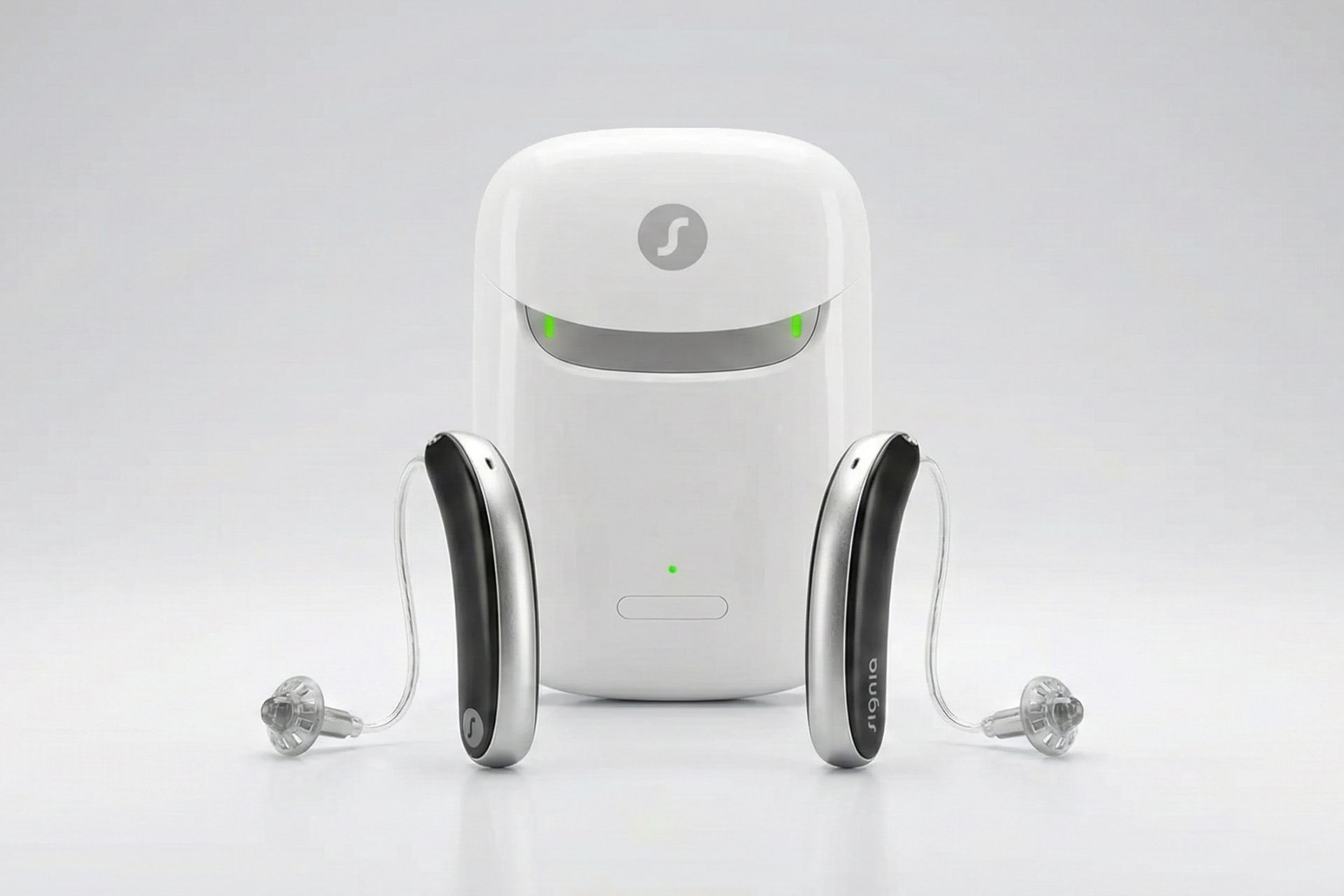
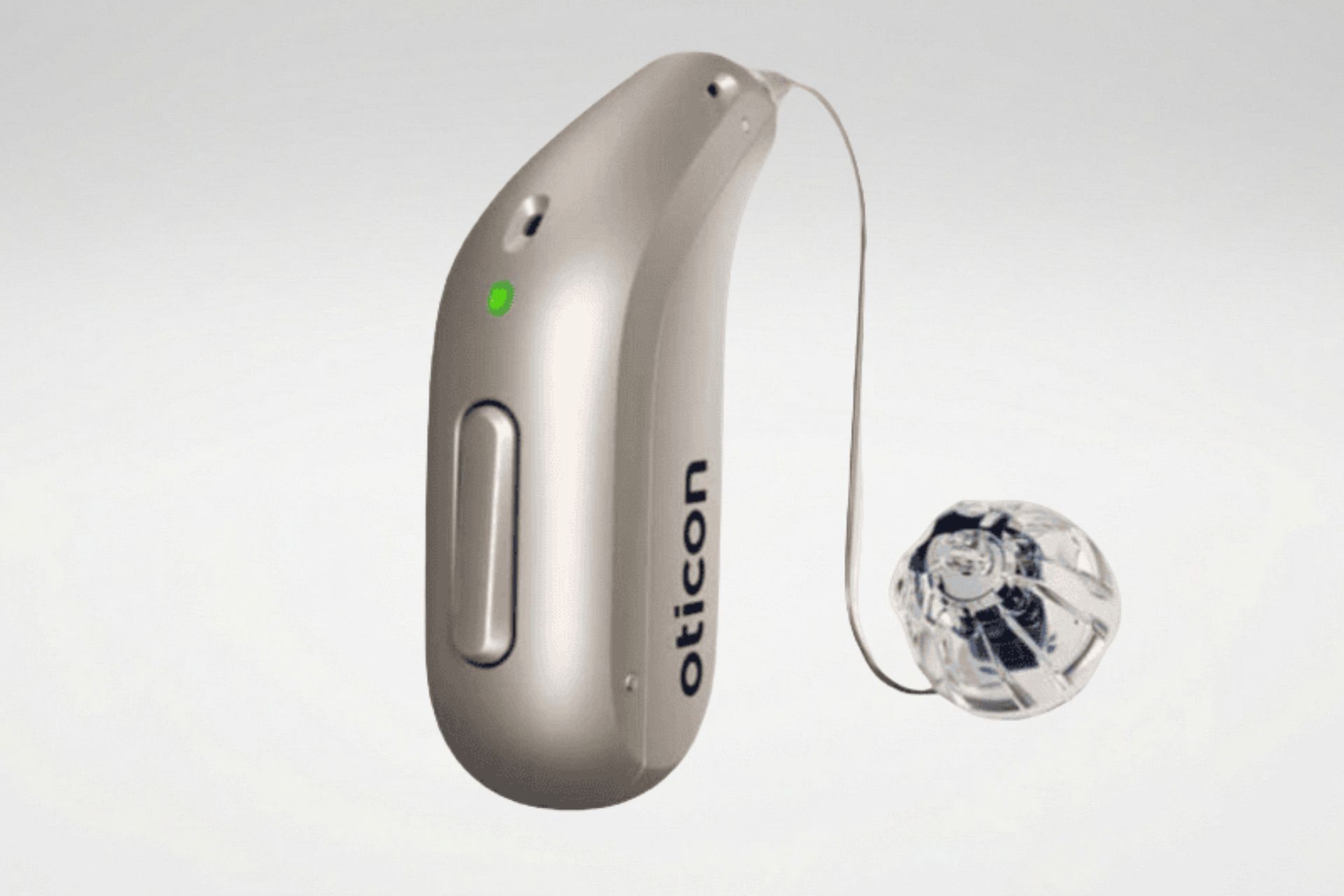
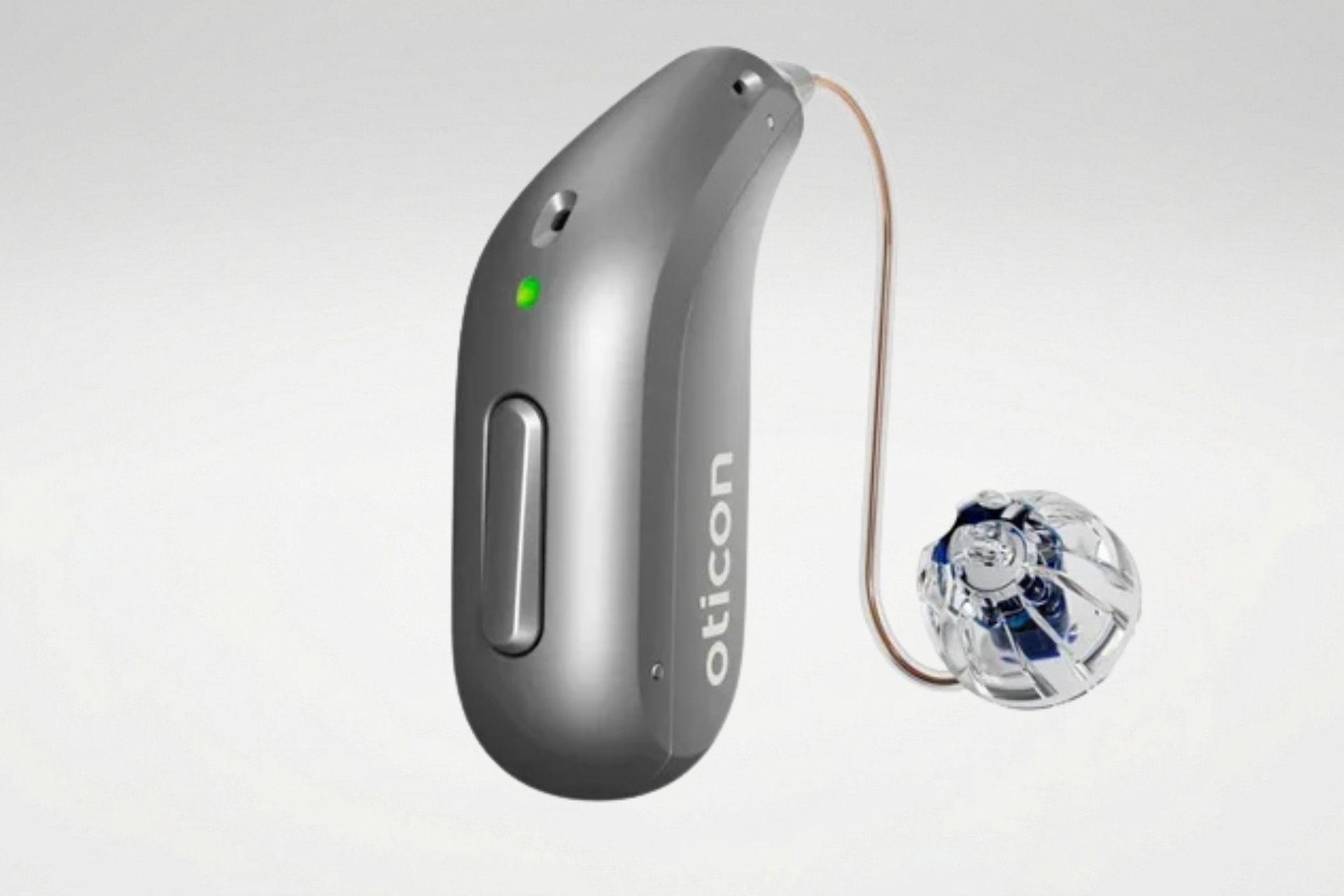
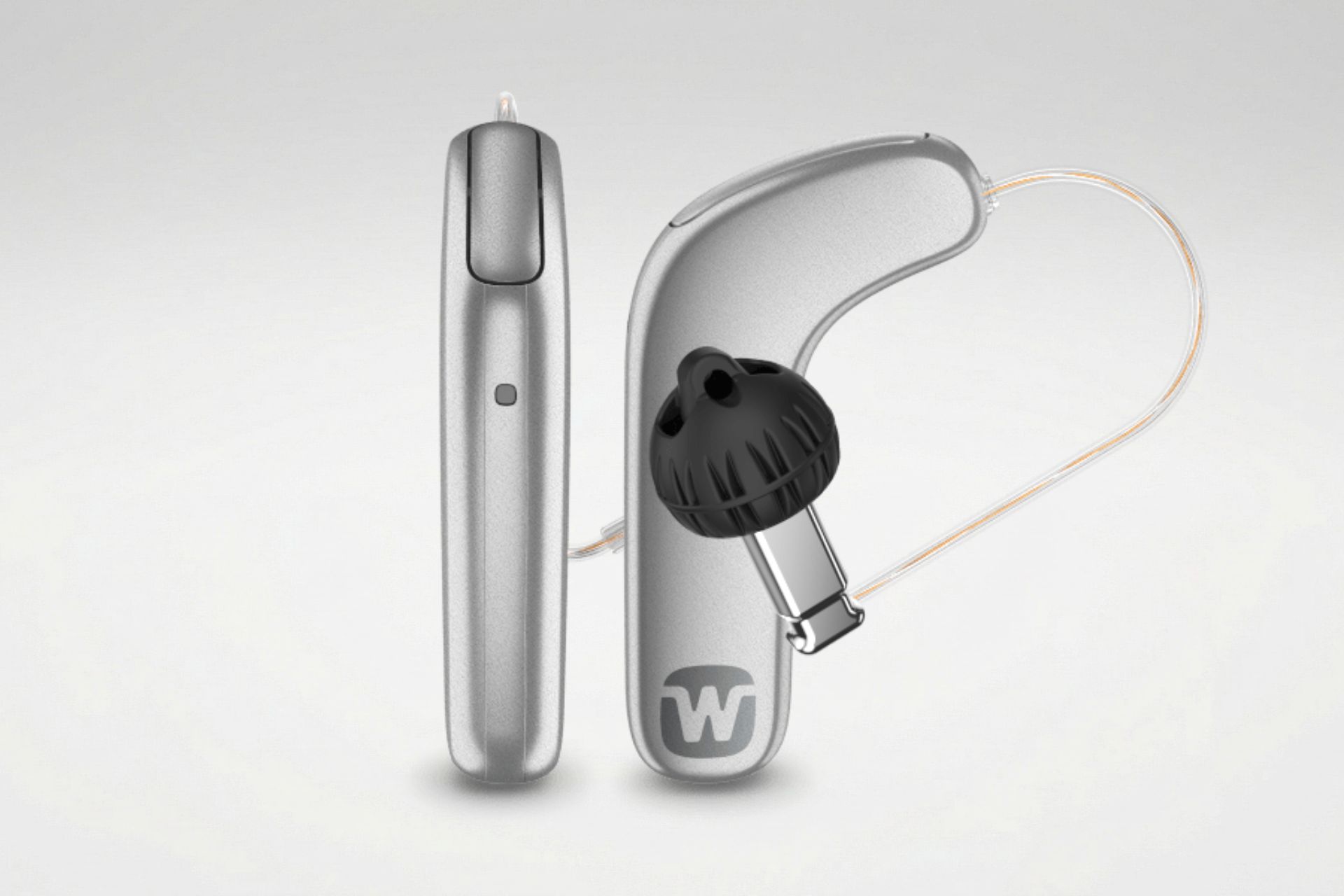
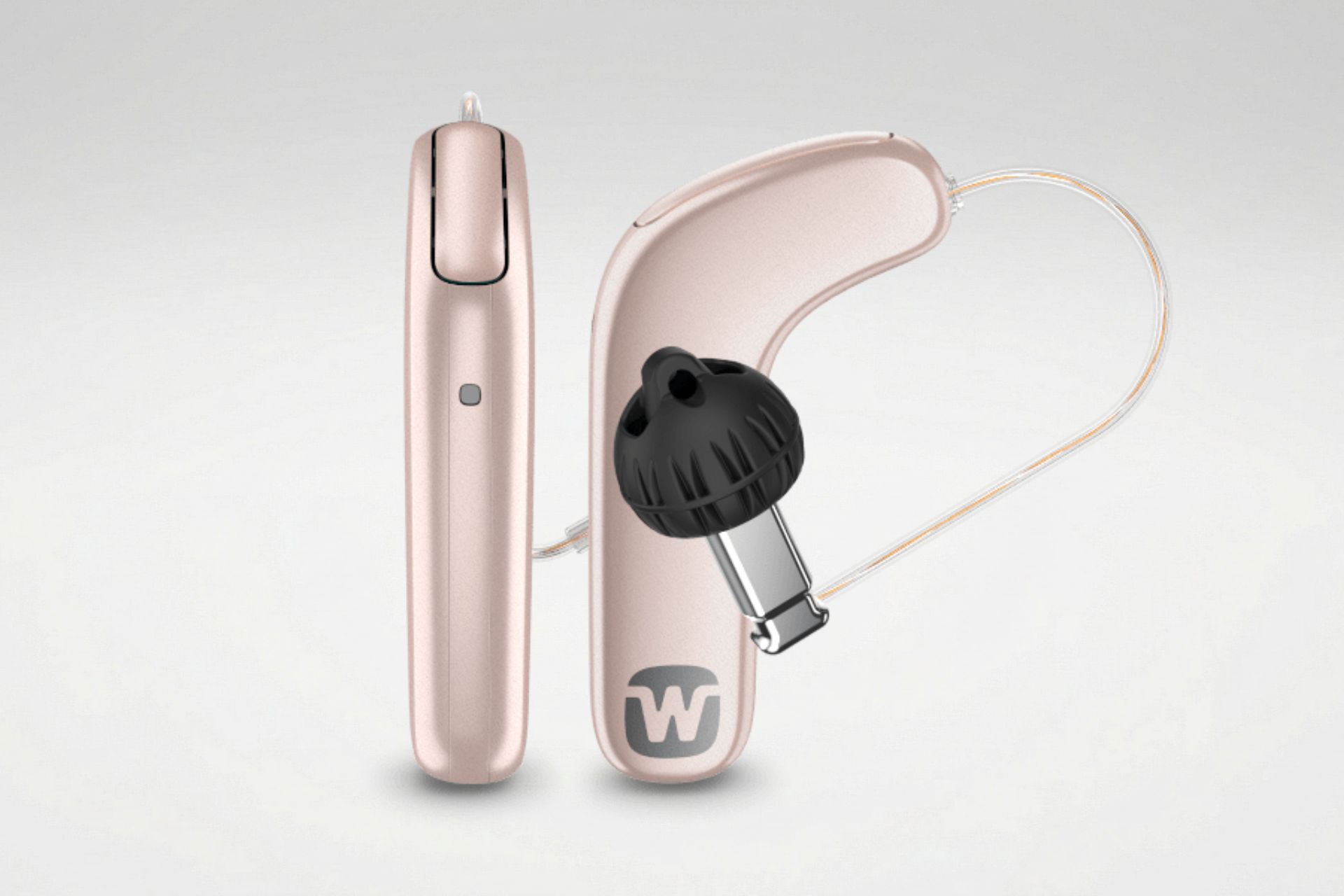
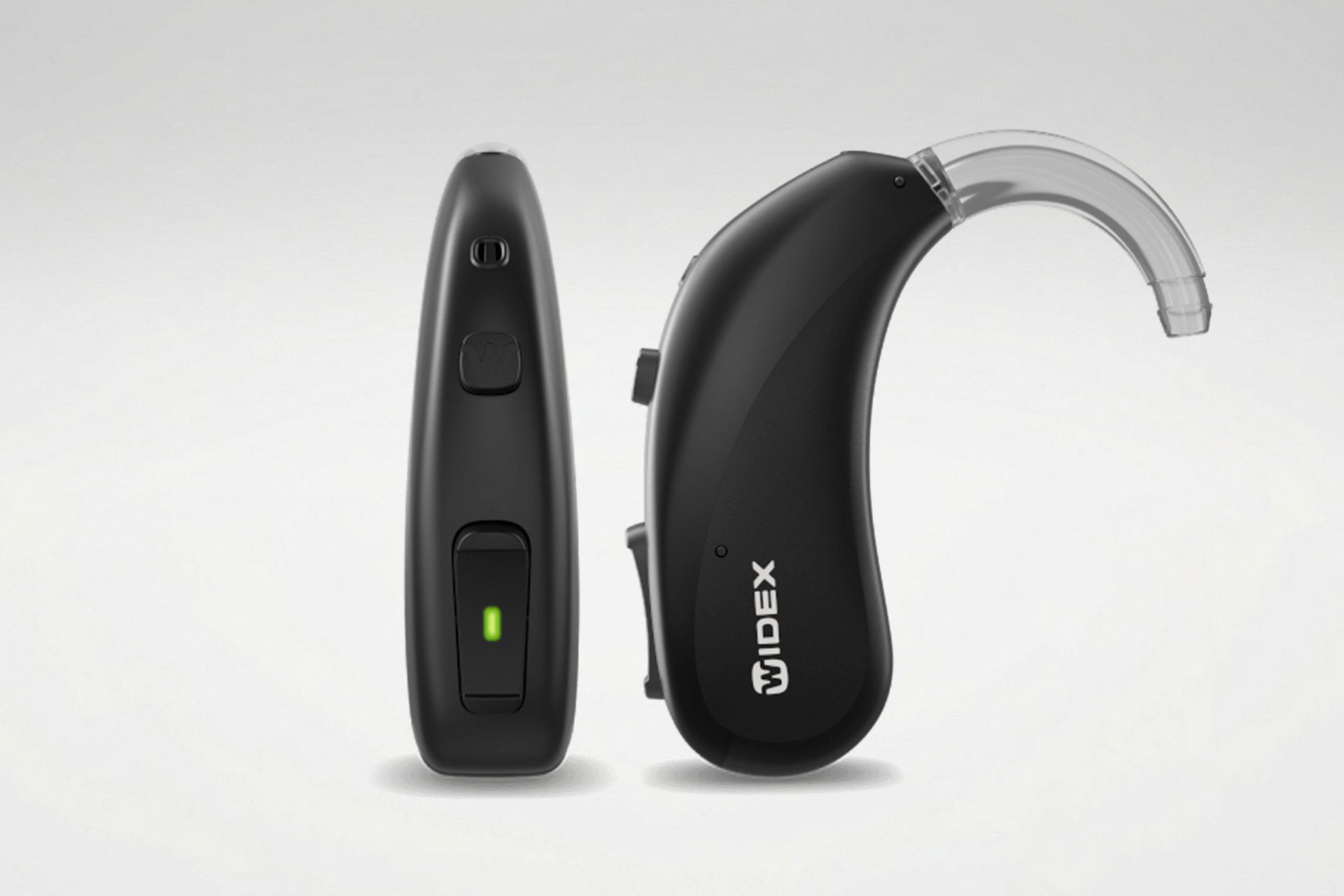
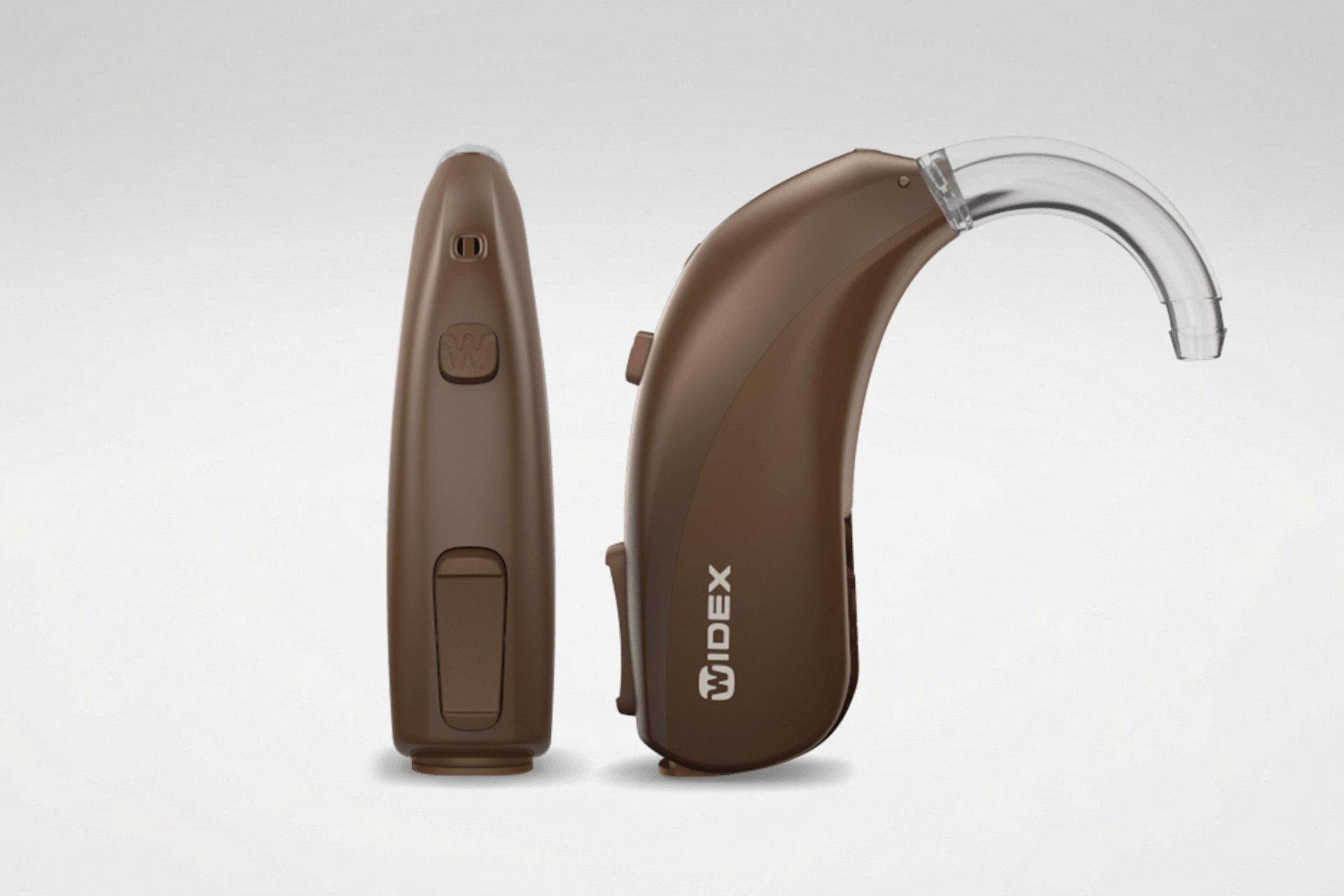
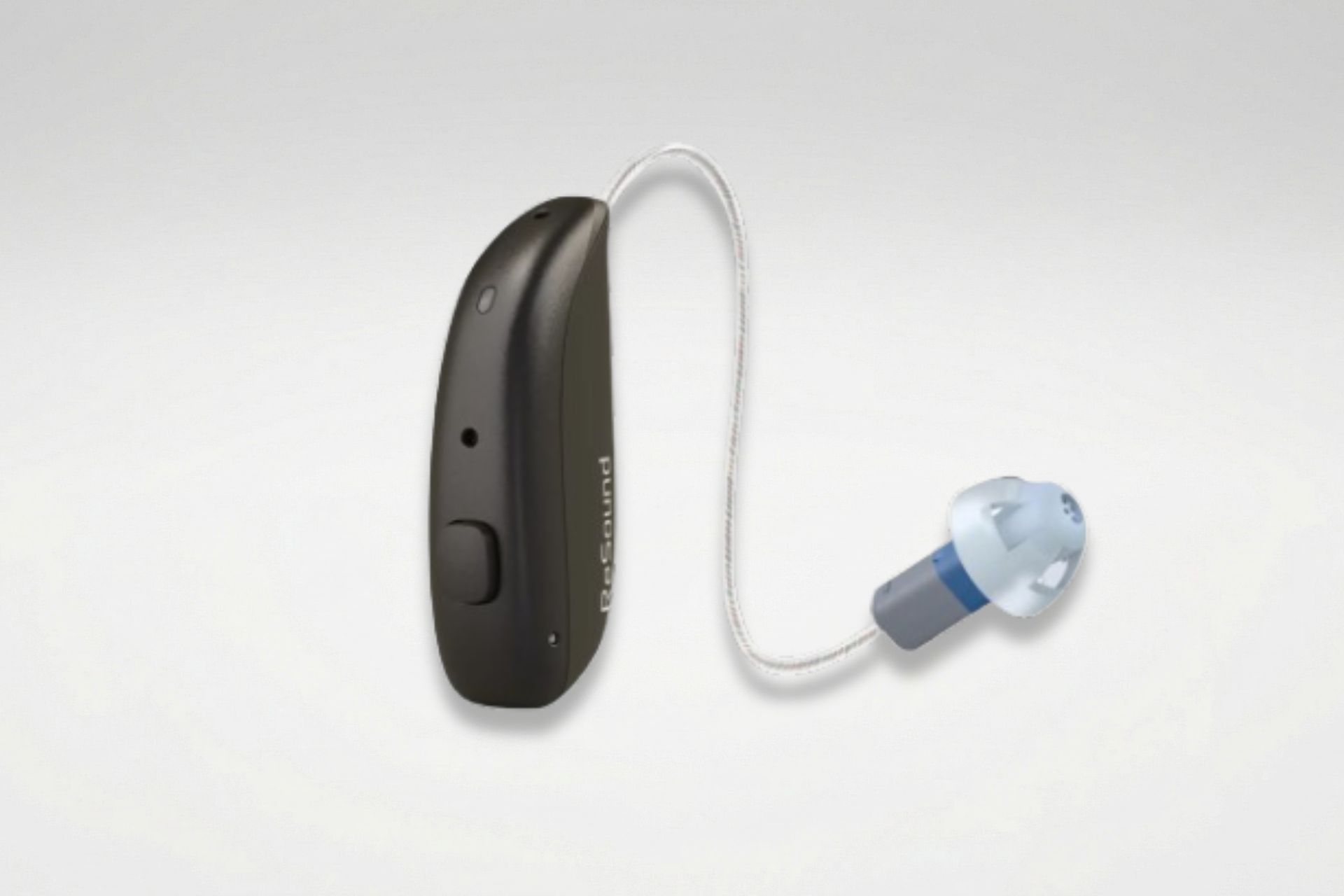
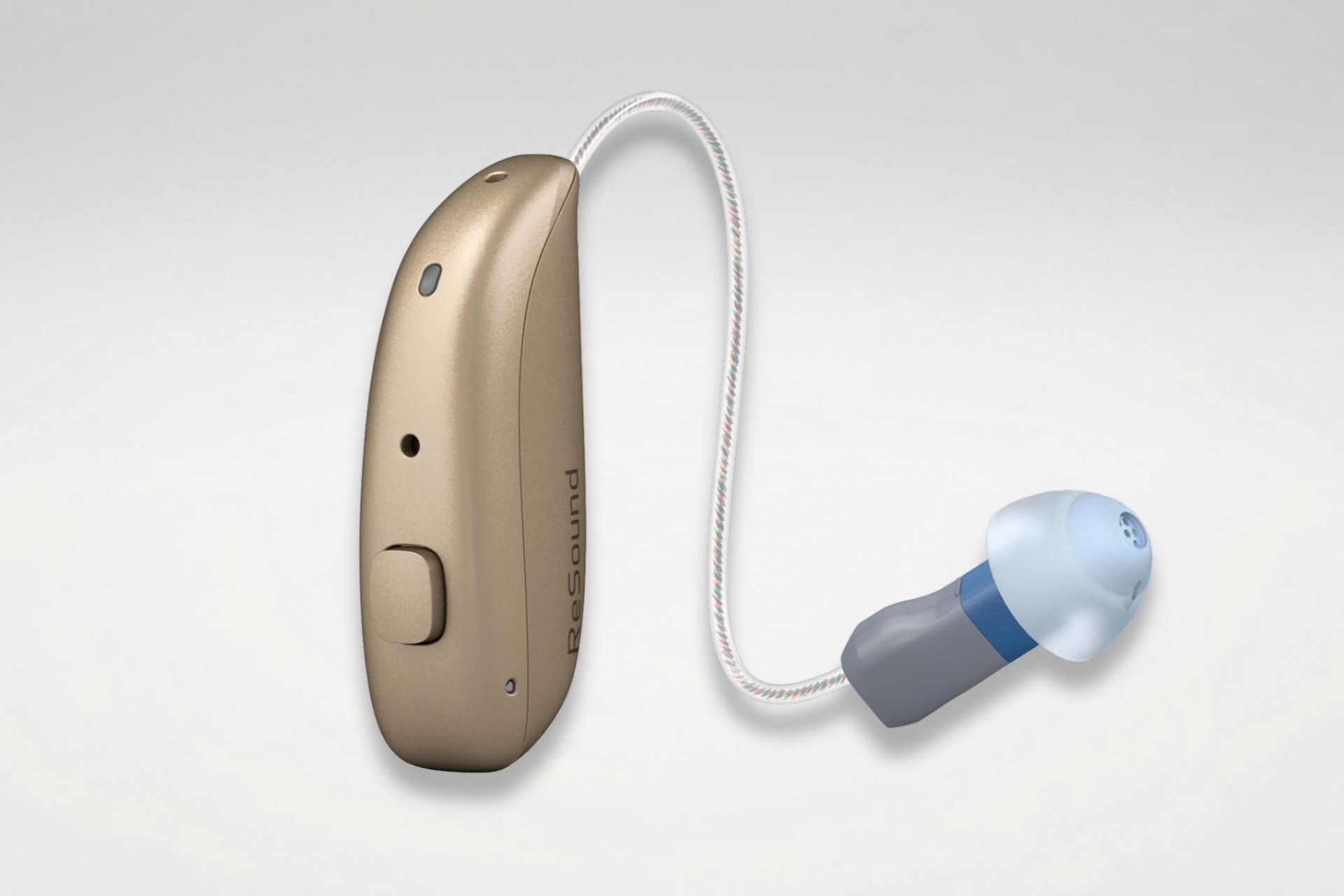
Behind-the-Ear (BTE) hearing device sit behind the ear and connect to a small piece inside the ear canal. They are powerful, durable, and suitable for almost all degrees of hearing loss. They are also the easiest to handle, which makes them a popular choice for older adults.
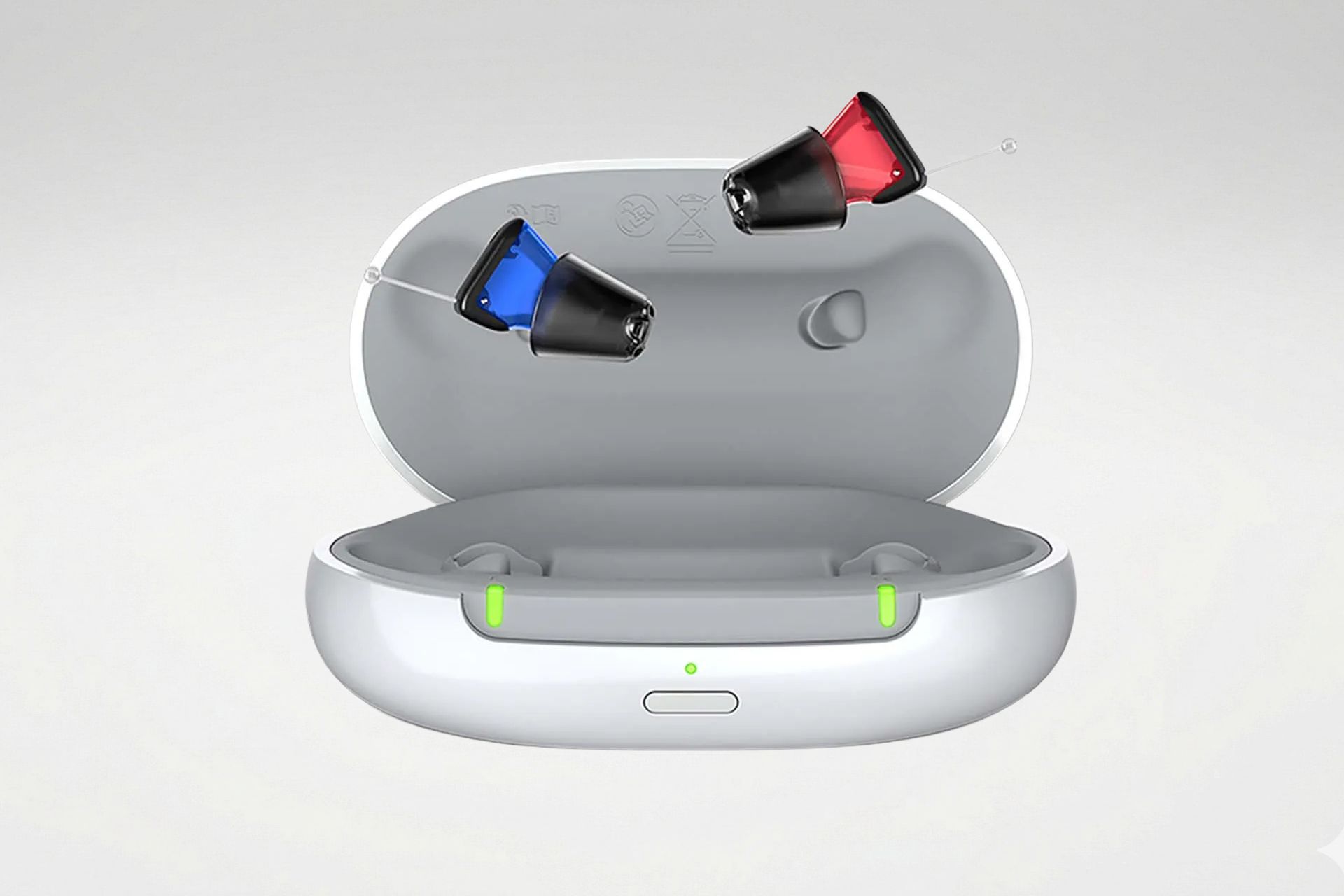
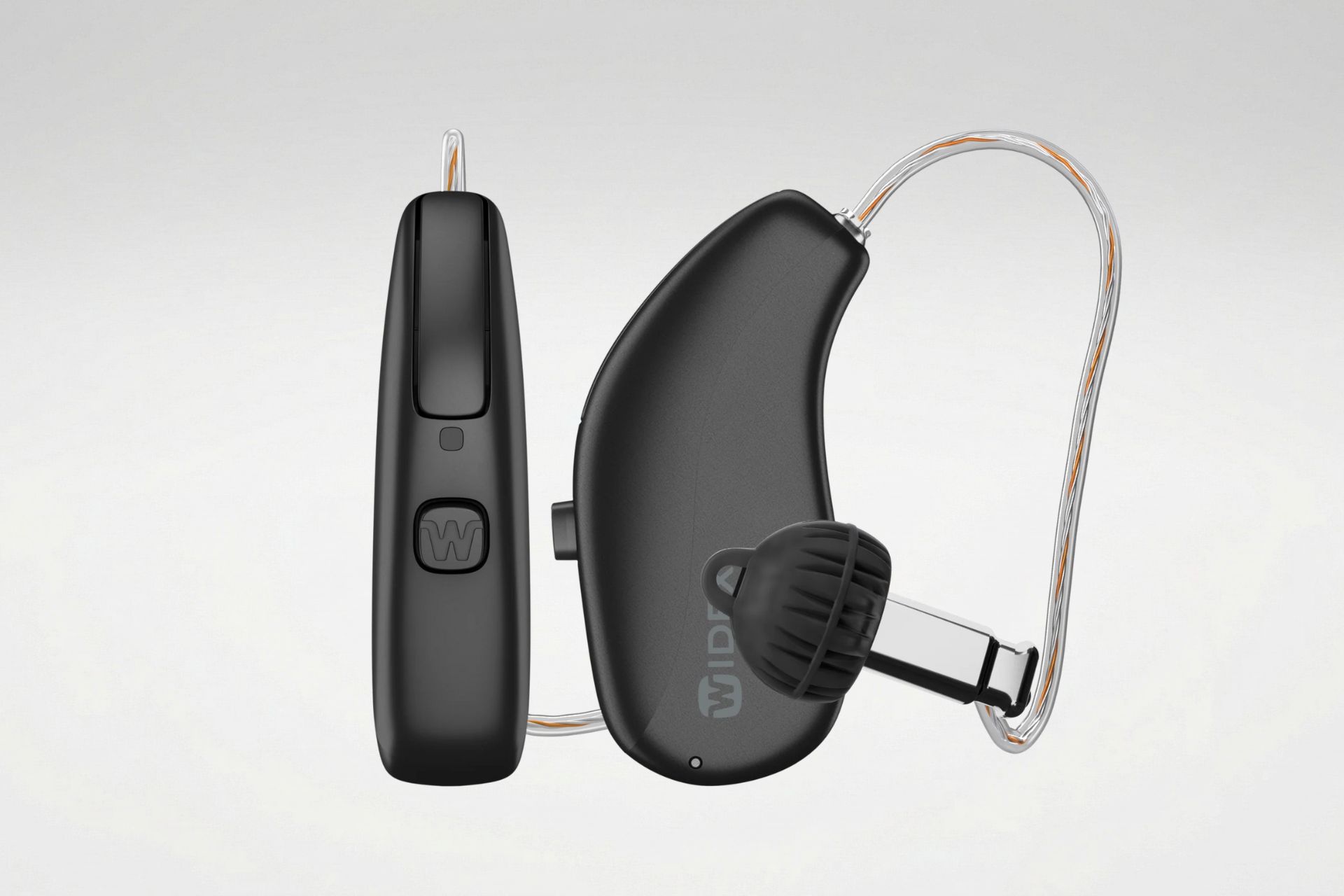
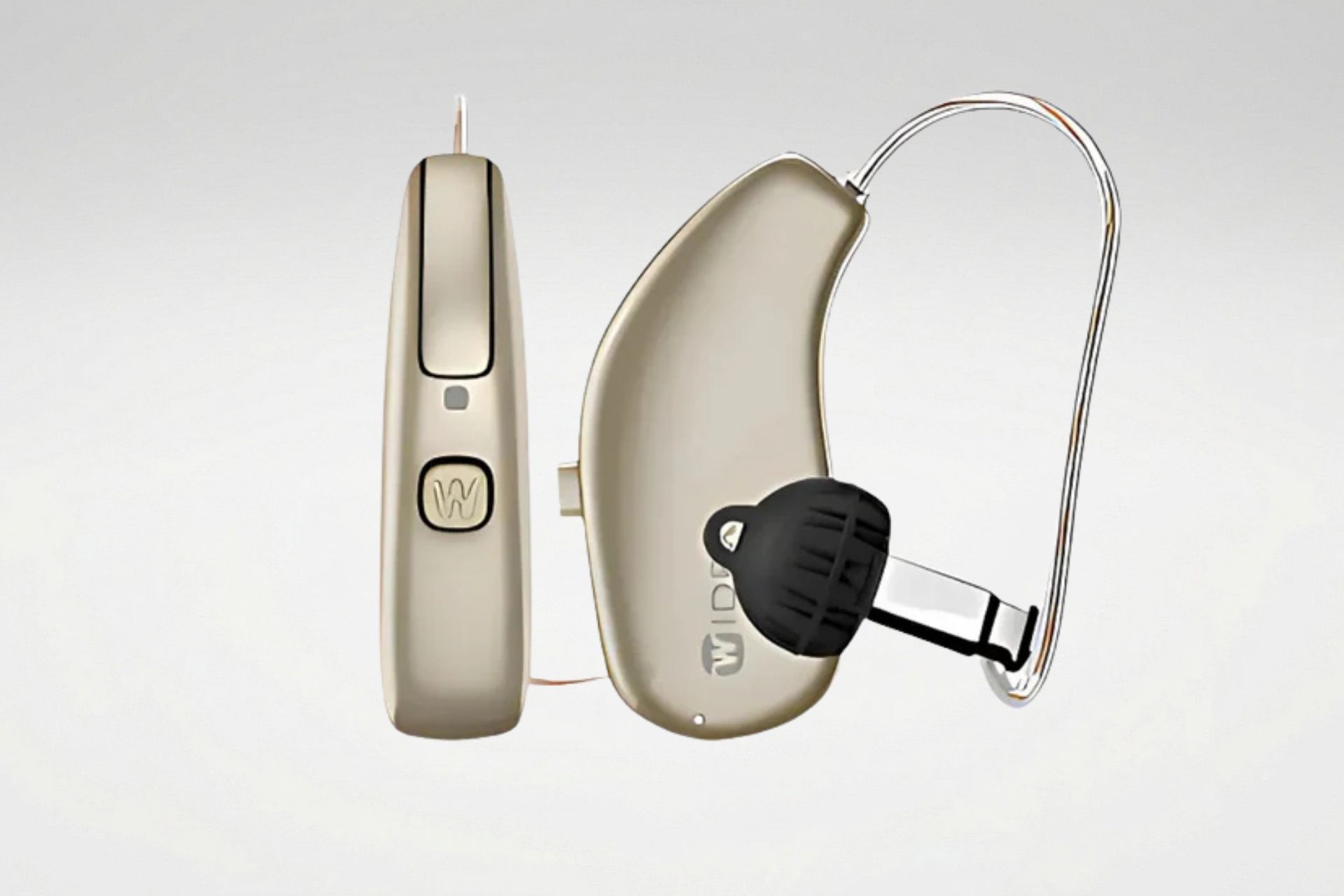
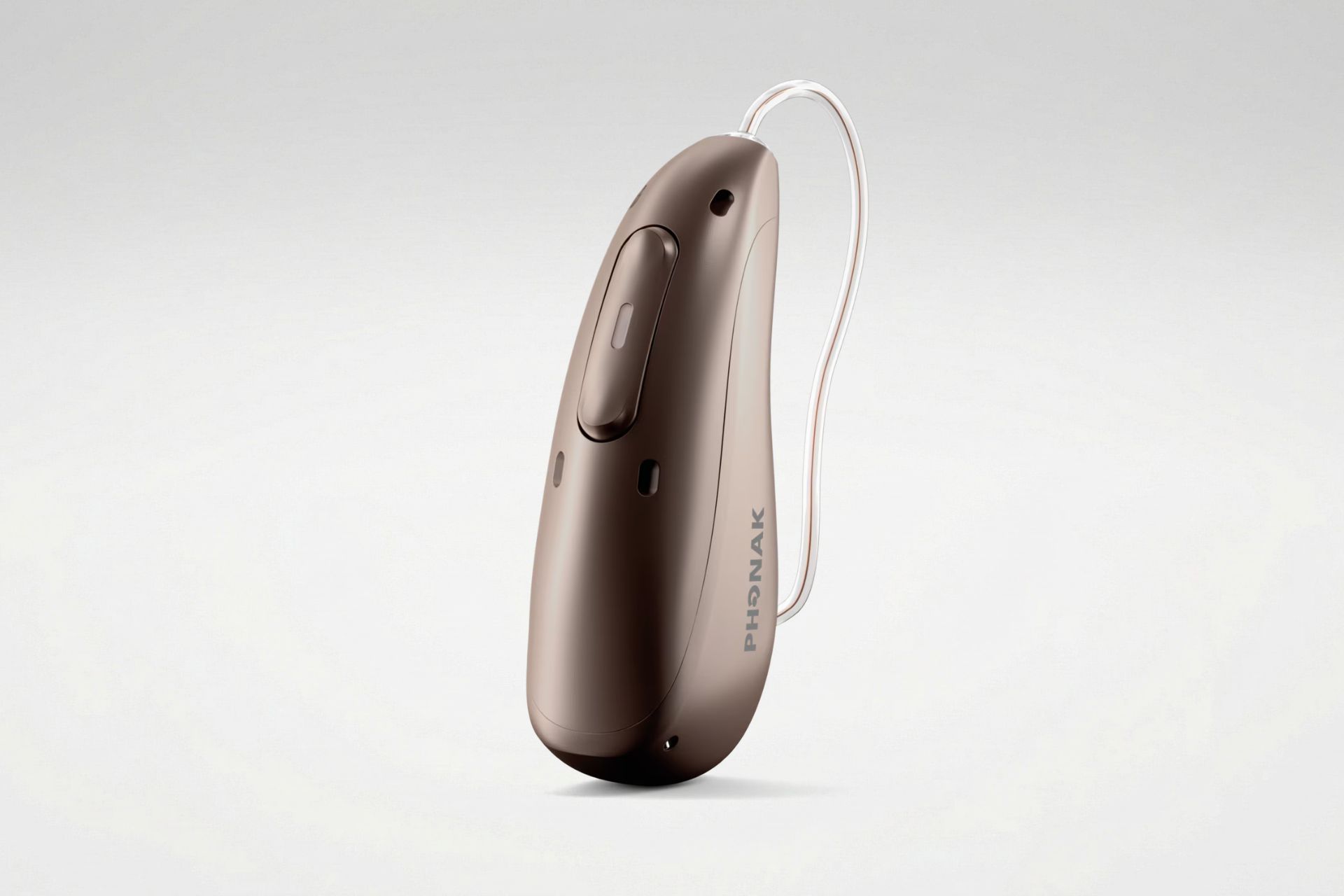
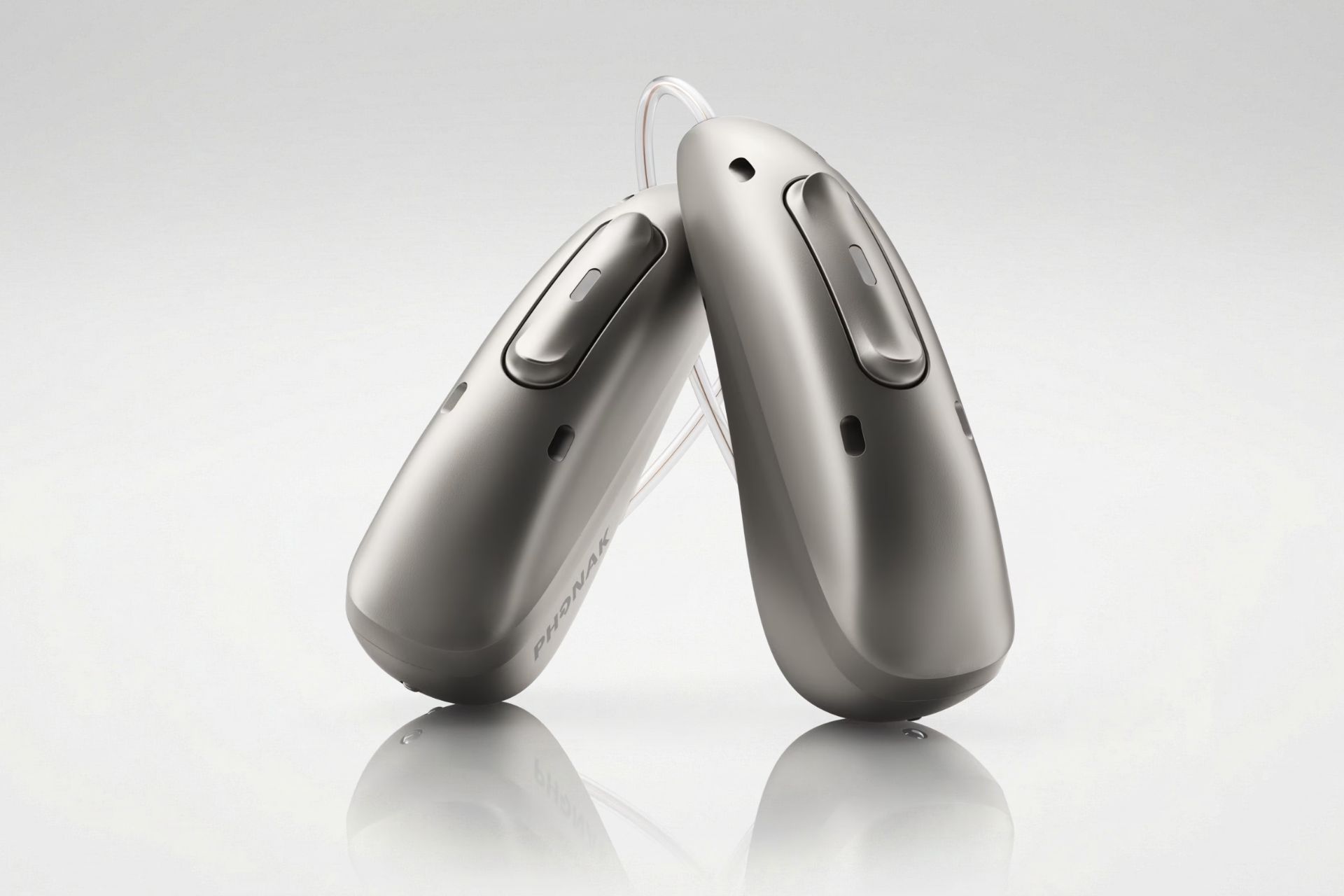
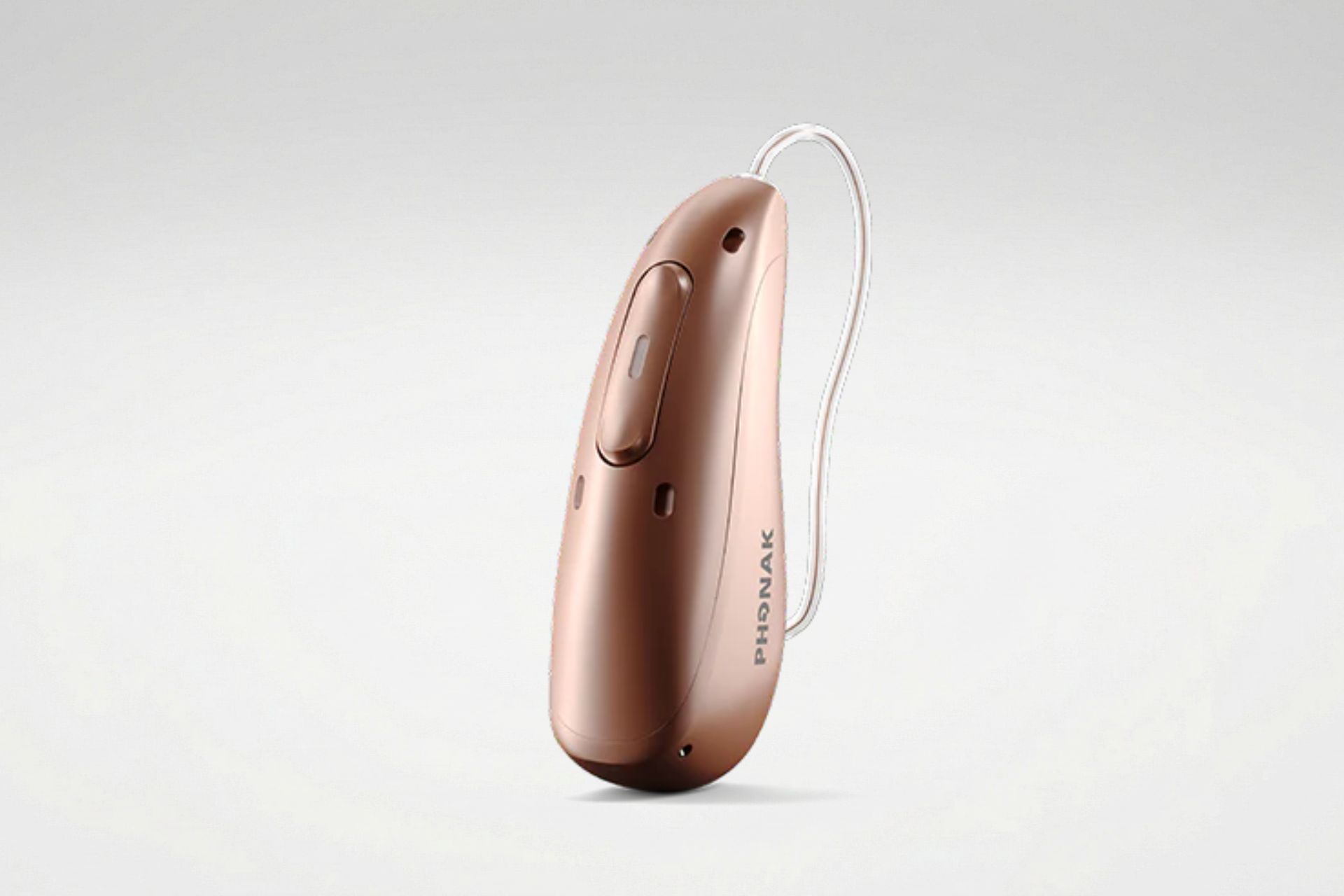
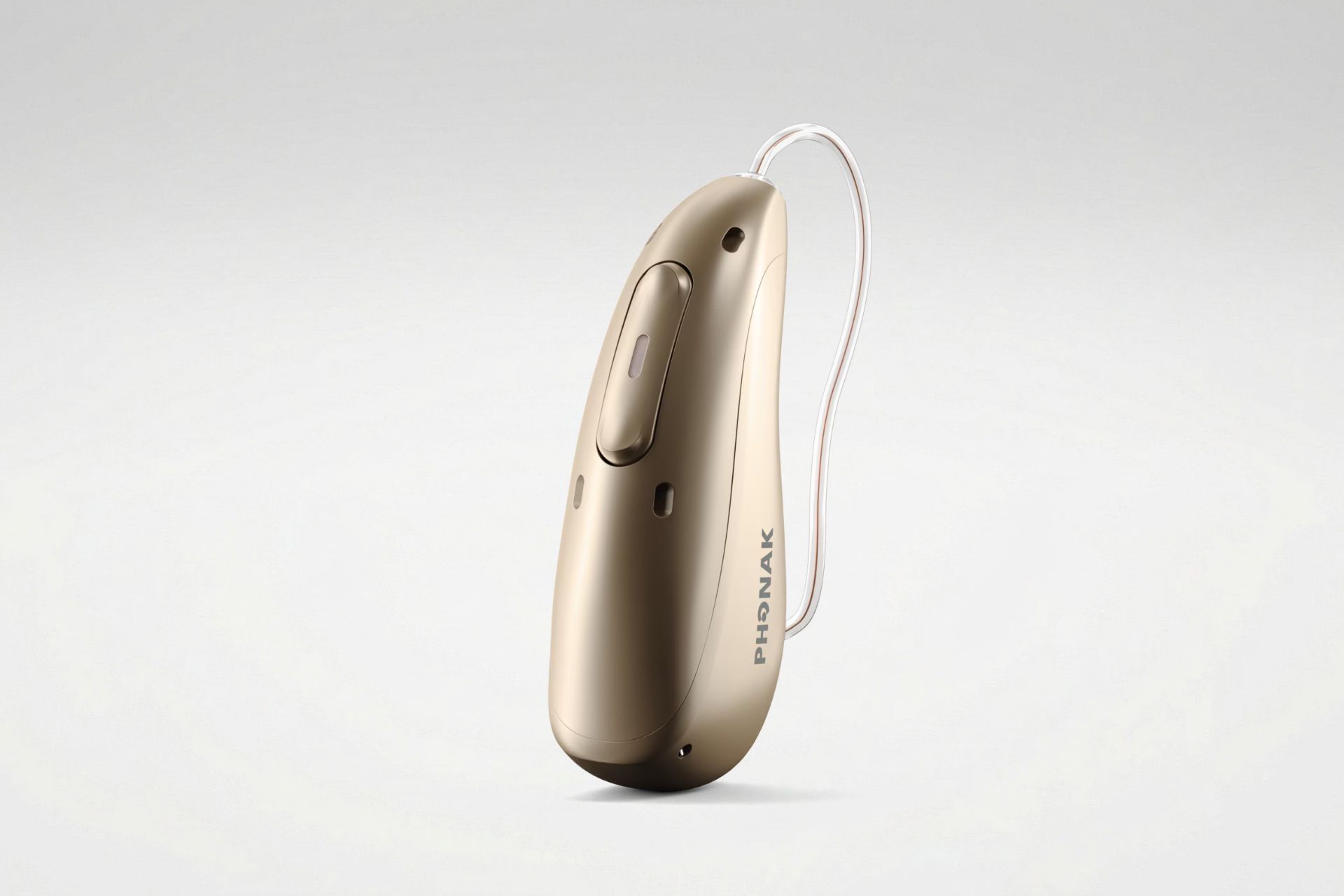
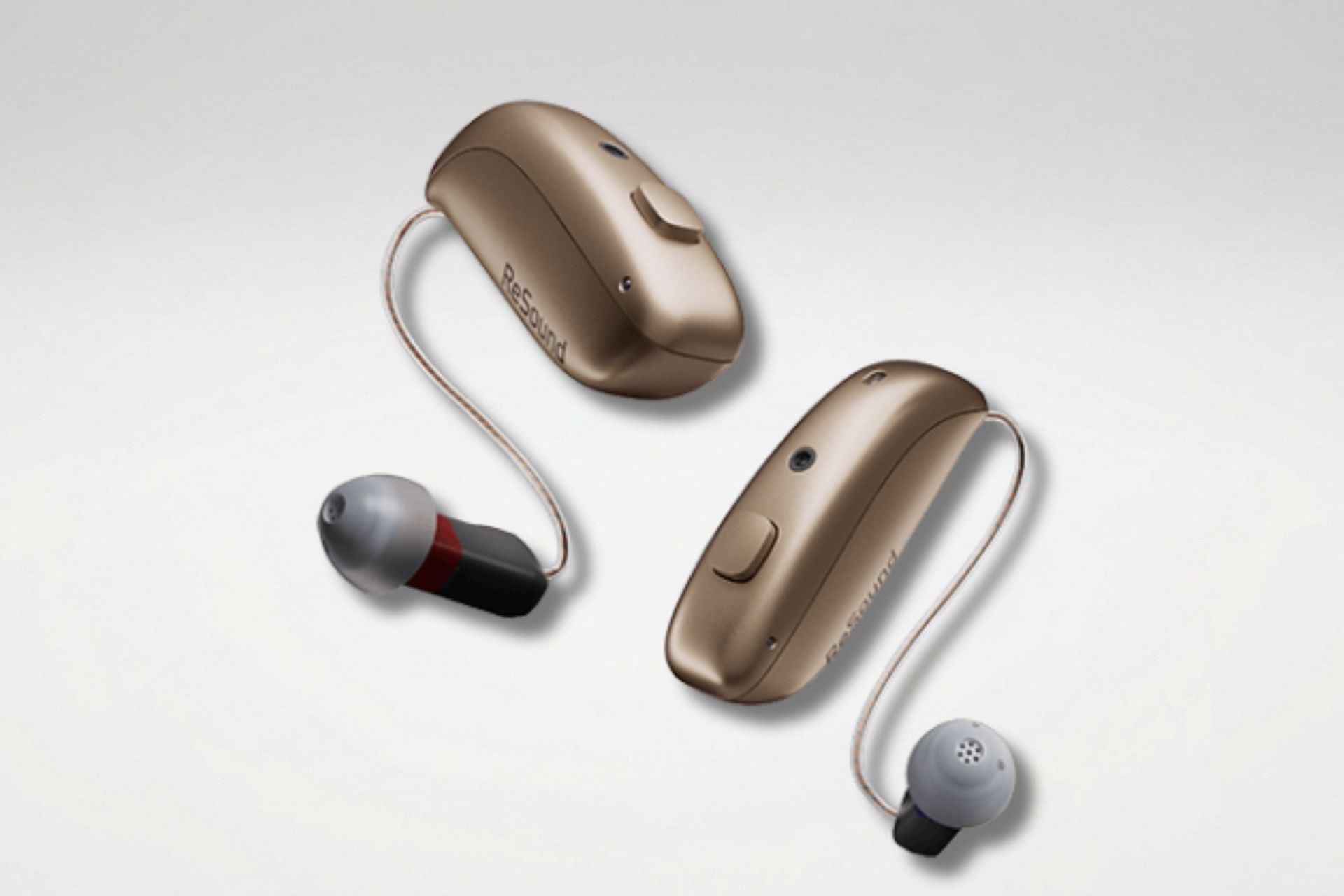
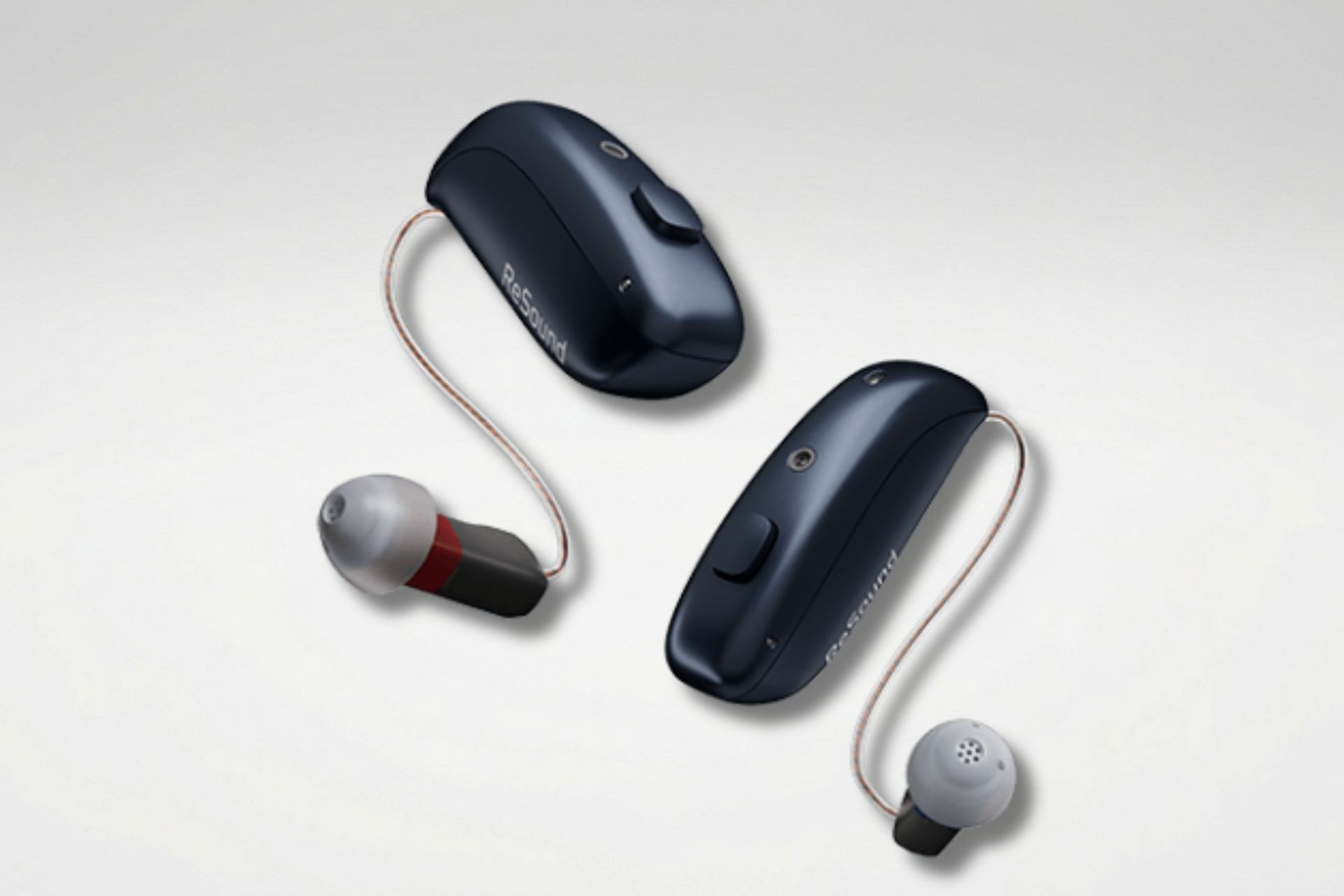
Receiver-in-Canal (RIC) hearing aids are similar to BTE but slimmer and more discreet. The speaker sits directly in the ear canal, which gives a more natural sound. These are one of the most popular styles today because they balance comfort, performance, and appearance.
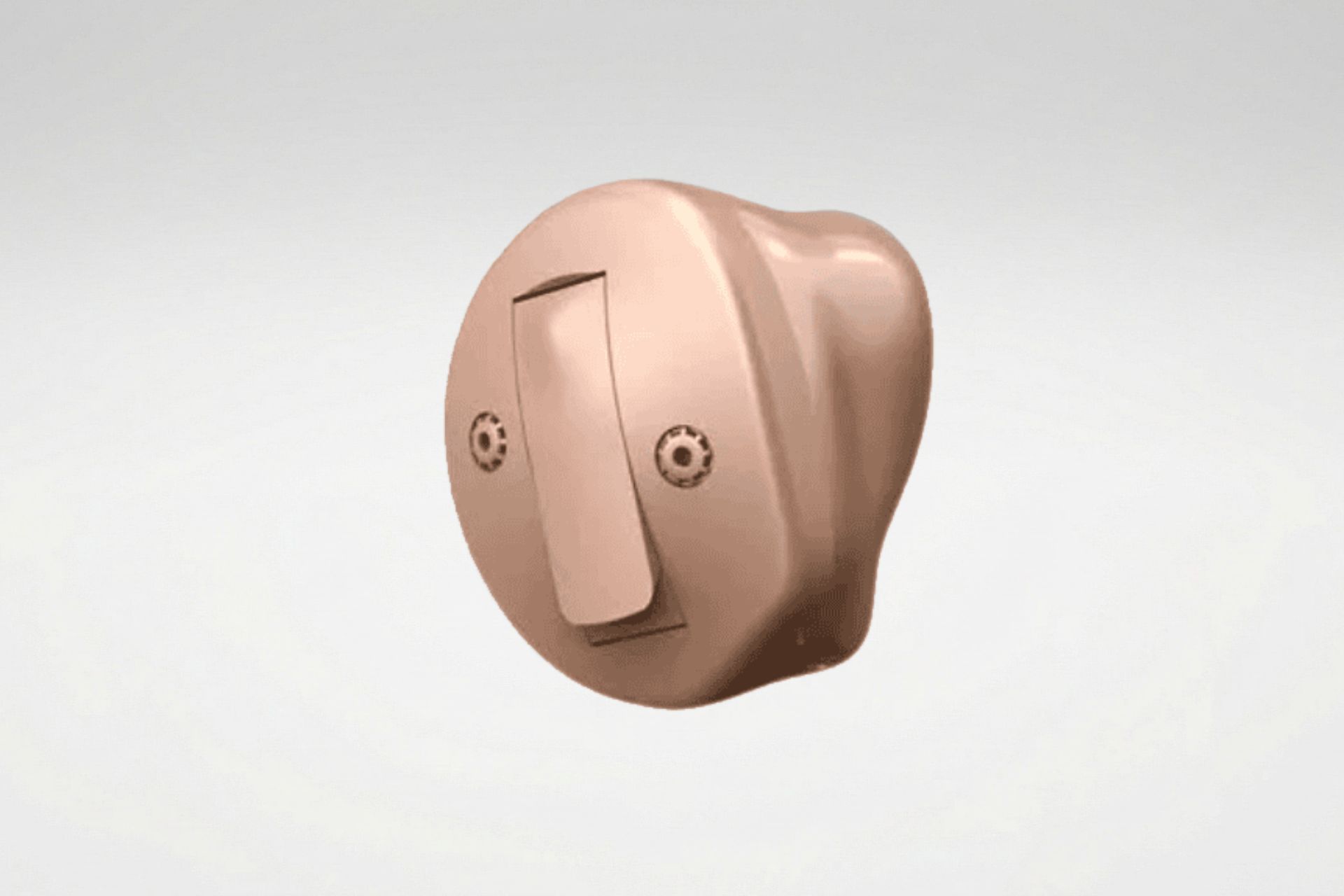
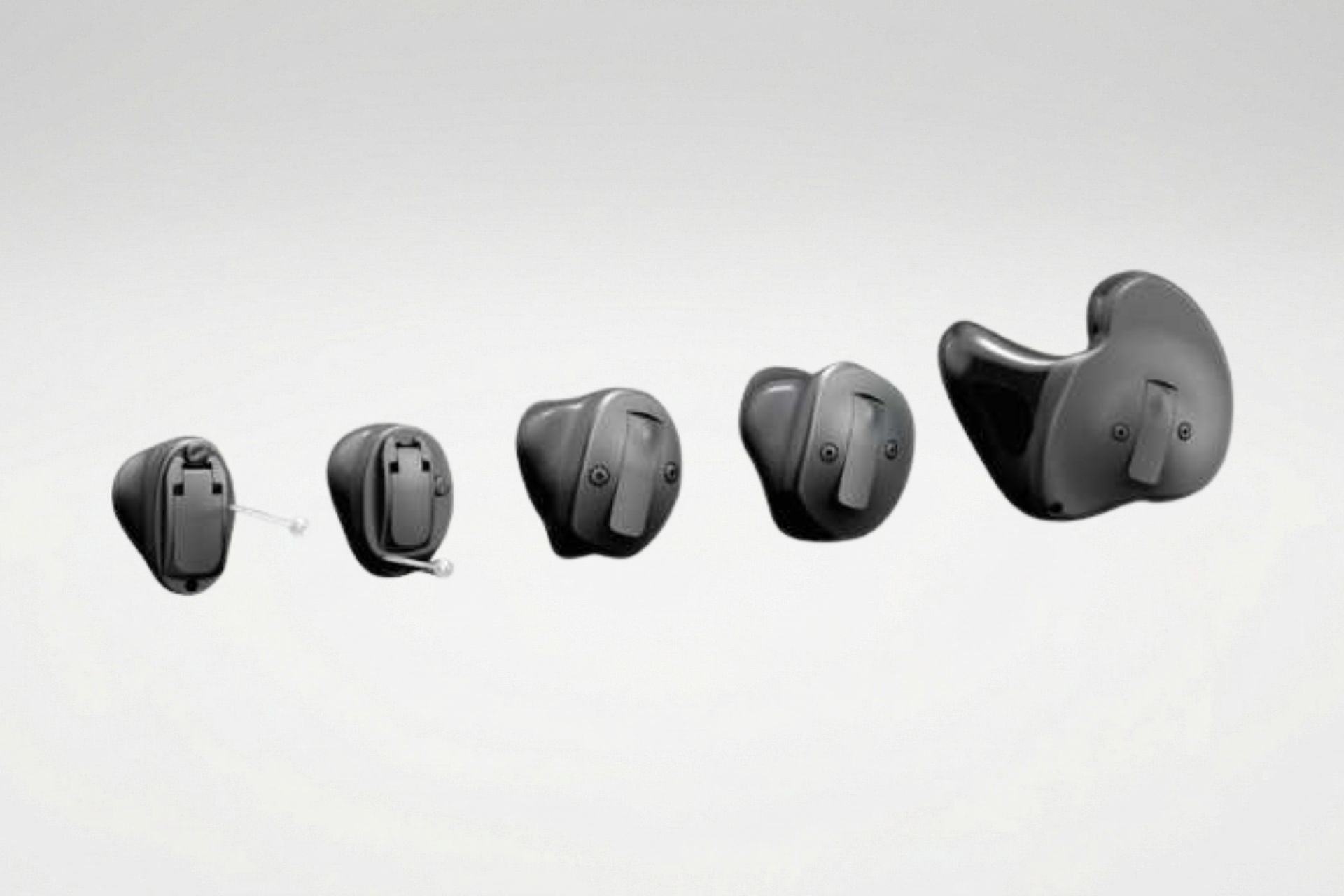
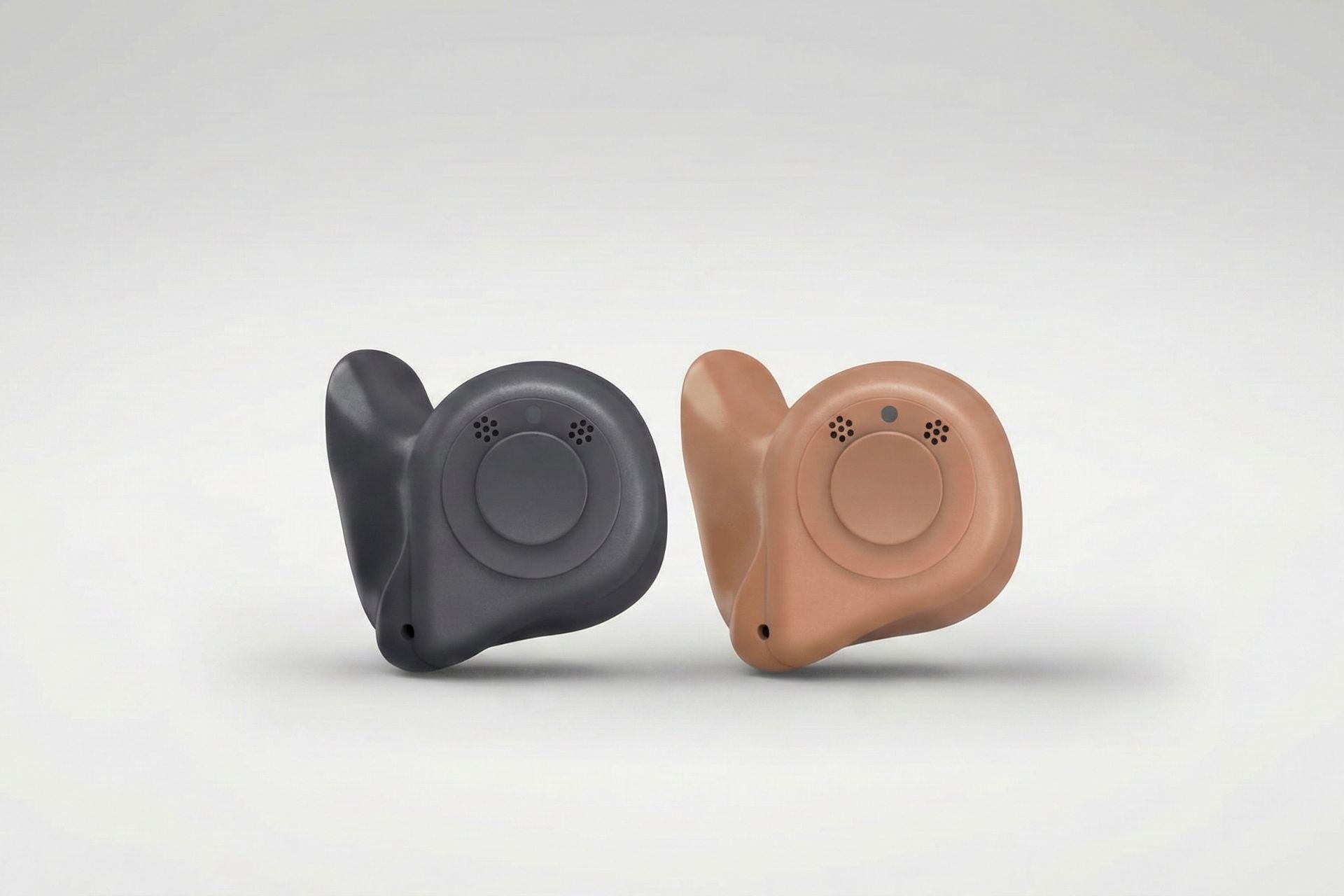
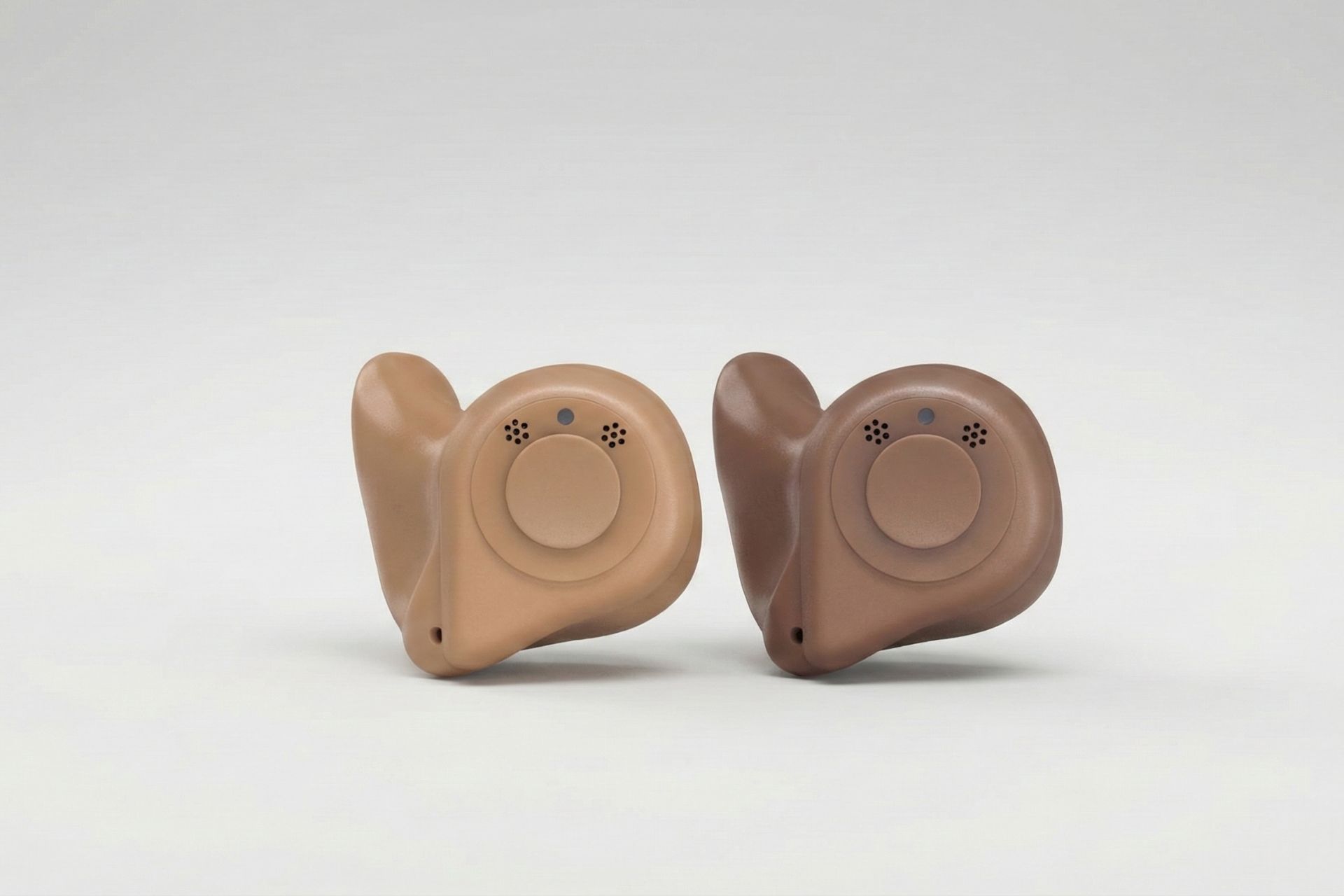
In-the-Ear (ITE) and In-the-Canal (ITC) hearing aids sit inside the ear, making them less visible. They are a good option for people with mild to moderate hearing loss who want a more discreet look.
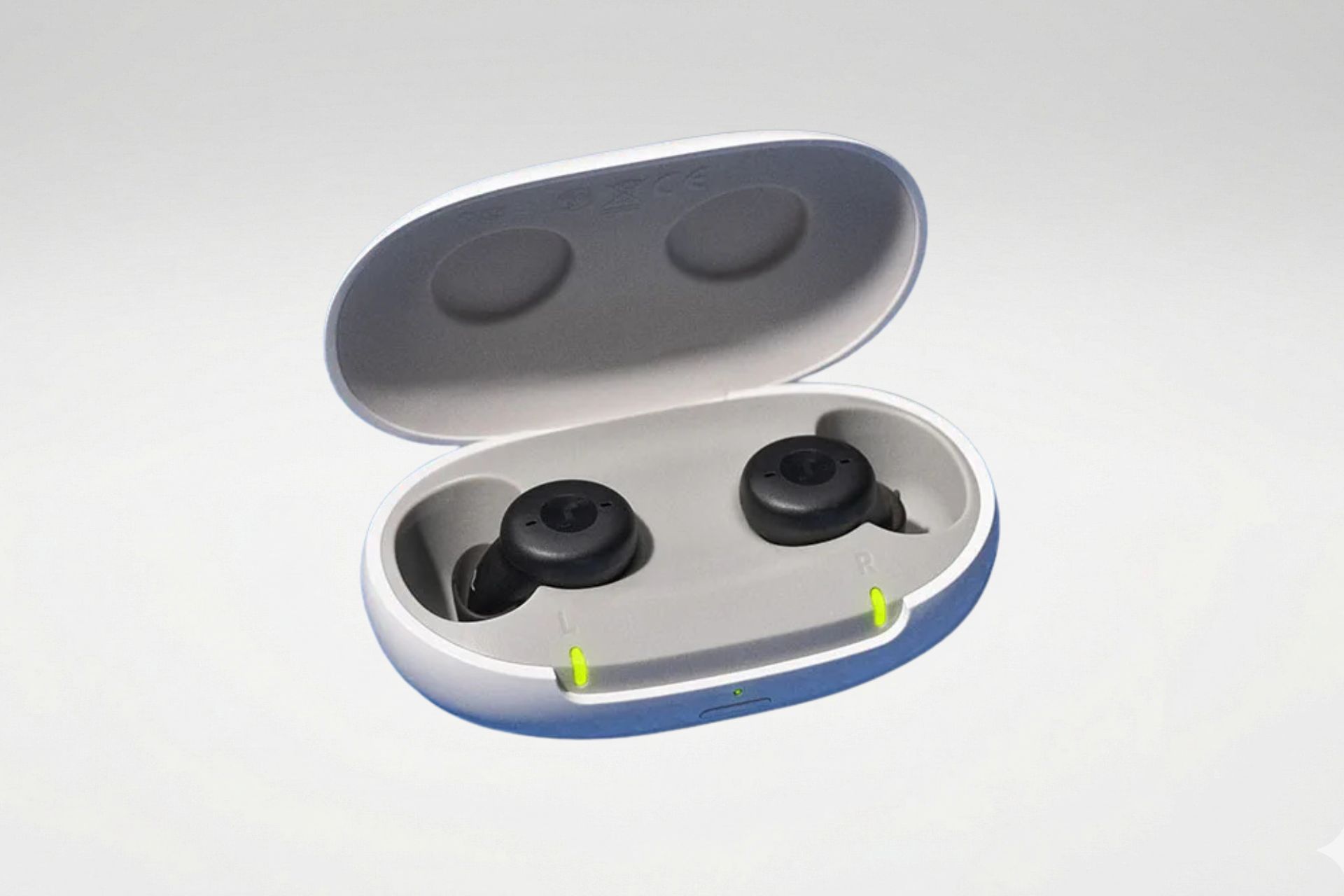
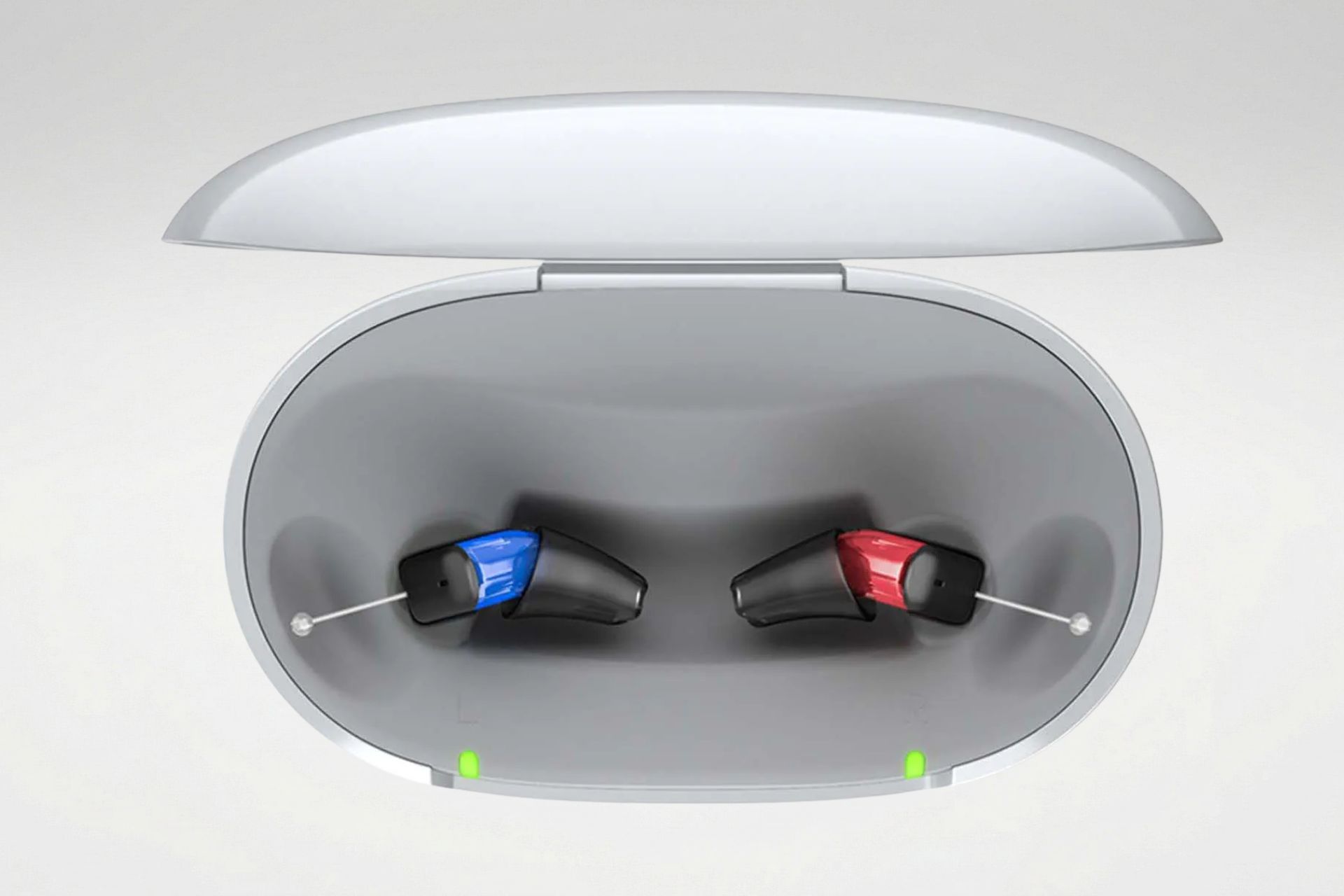
Completely-in-Canal (CIC) and Invisible-in-Canal (IIC) are the smallest and most invisible options. They sit deep inside the ear canal and are barely noticeable. However, they are generally suited only for mild to moderate hearing loss and can be harder to handle for people with limited finger dexterity.
Think About Your Daily Lifestyle
Your lifestyle plays a big role in deciding which hearing device is right for you. Ask yourself a few simple questions.
Do you spend most of your time at home, or are you out and about in noisy environments like markets, restaurants, and offices? If you are active and move through different environments, you will benefit from a hearing aid with advanced noise reduction and automatic environment detection.
Do you use a smartphone regularly? Many modern hearing aids connect directly to phones via Bluetooth, letting you stream calls and audio straight to your ears. If you are comfortable with technology, these connected devices can make a big difference to your daily experience.
Are you physically active or do you sweat a lot? In that case, look for a hearing aid with a high IP rating for water and dust resistance.
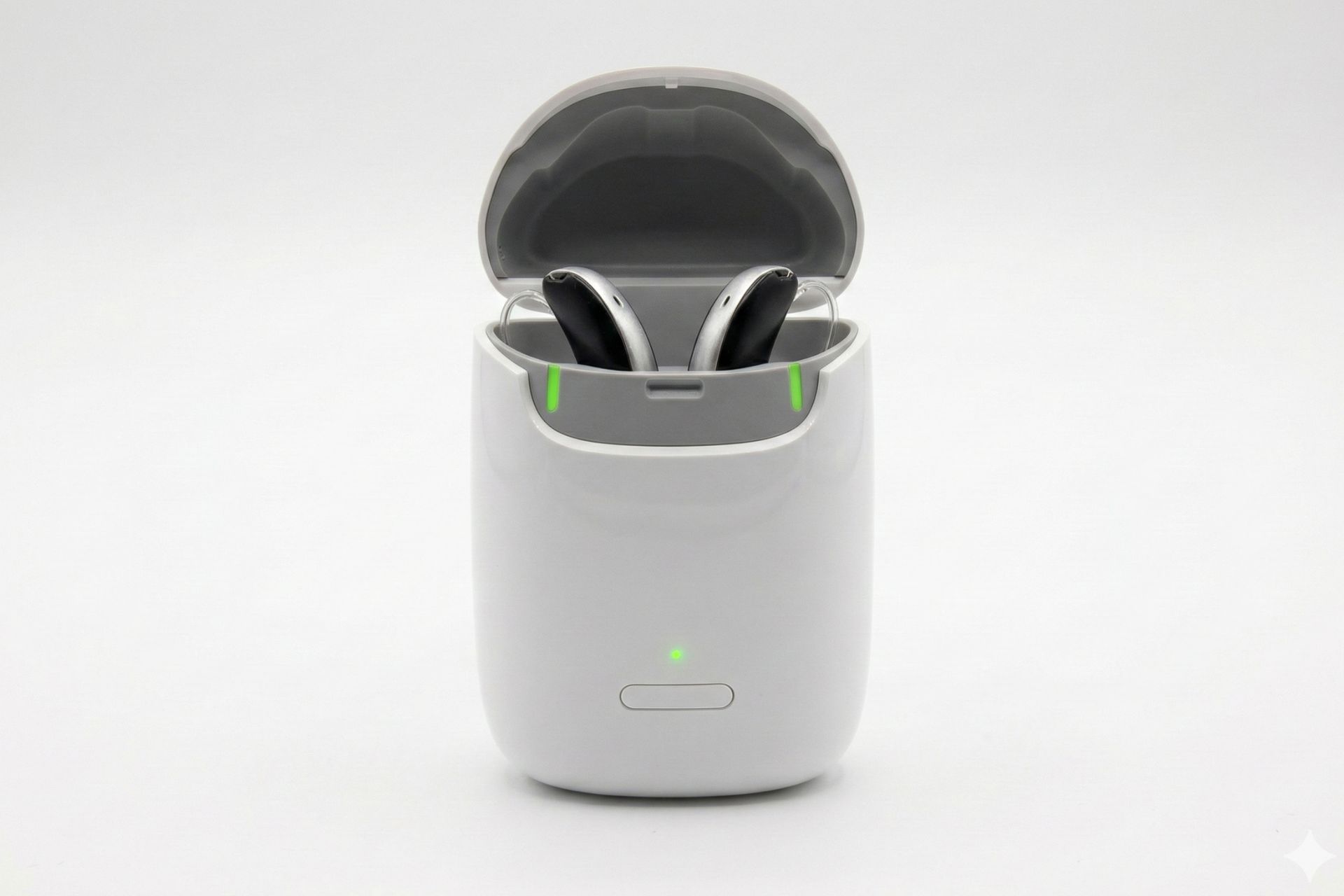
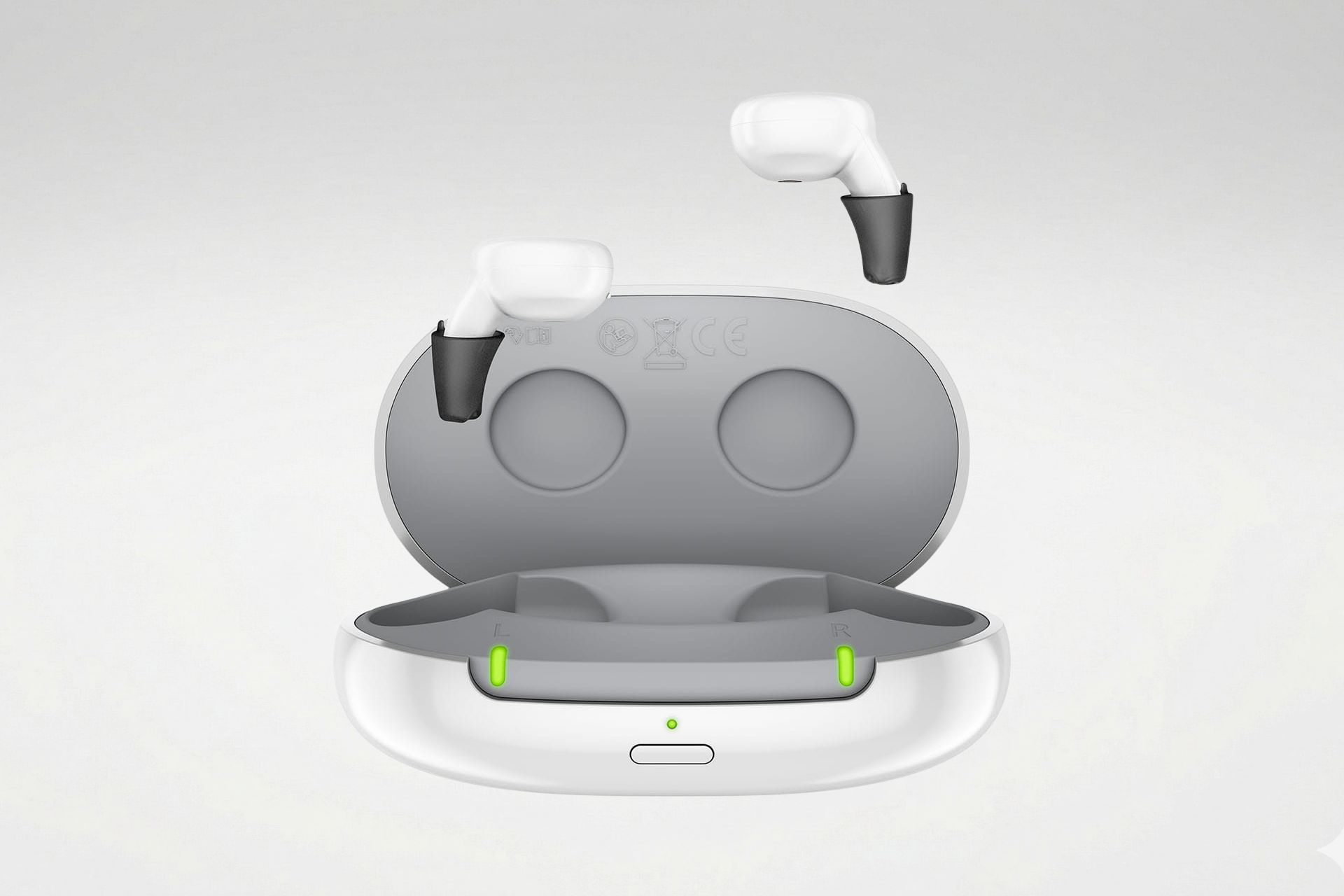
Do you prefer not to deal with small batteries? Rechargeable hearing aids are now widely available and are a great choice for anyone who finds changing tiny batteries inconvenient.
Consider the Level of Technology You Need
Hearing devices come in different technology levels — entry, mid-range, and premium. Each level offers different features.
Entry-level devices provide basic amplification and are suitable for people with straightforward hearing loss who spend most of their time in quiet environments.
Mid-range devices add features like noise reduction, multiple listening programs, and basic Bluetooth connectivity. They are a solid choice for most people who live an everyday active life.
Premium devices use artificial intelligence to automatically adapt to your environment in real time. They offer the most natural sound quality, the best speech understanding in noise, and the widest range of connectivity features. These are ideal for people who are frequently in challenging listening situations.
The right technology level depends on your hearing loss, your lifestyle, and your budget. A good audiologist will help you find the balance that works for you without pushing you toward features you do not need.
Do Not Ignore Comfort and Fit
A hearing device that does not fit well will simply not get worn. Comfort matters enormously, especially since you will be wearing the device for many hours every day.
Always try a hearing device before committing to it. A professional fitting by a trained audiologist ensures that the device sits correctly, the sound is calibrated to your specific hearing profile, and any physical discomfort is addressed. Many people need a short adjustment period of a few weeks, which is completely normal.
After-Sales Support Matters More Than You Think
Buying a aid is not a one-time transaction. Your hearing needs may change over time, the device will need occasional servicing, and you may need adjustments to the settings as you get used to wearing it.
Before choosing where to buy, ask about the after-sales support on offer. Will they help you with follow-up appointments? Is servicing included? Can you reach them easily if you have a problem?
At Stilly, we have been providing hearing care to families across Delhi NCR for over 25 years. We offer professional fitting, follow-up consultations, home visits for senior citizens, and ongoing support for every customer — because we believe the relationship does not end at the point of sale.
A Quick Summary Before You Decide
Get a proper hearing test done first. Understand what type of aid suits your degree of hearing loss. Think honestly about your daily lifestyle and what features you will actually use. Choose a technology level that matches your needs and budget. Prioritise comfort and professional fitting. And make sure you have reliable after-sales support.
Taking these steps will ensure that you end up with a hearing device that genuinely improves your quality of life not just one that sits in a drawer.
Ready to Take the Next Step?
If you are unsure where to start, our team at Stilly is here to help. We offer free consultations, home visits for senior citizens, and access to the best hearing aids brands in the world, including Signia, Phonak, Widex, and ReSound.
Call us at +91 99106 30377 or visit stilly.in to book your appointment today.