
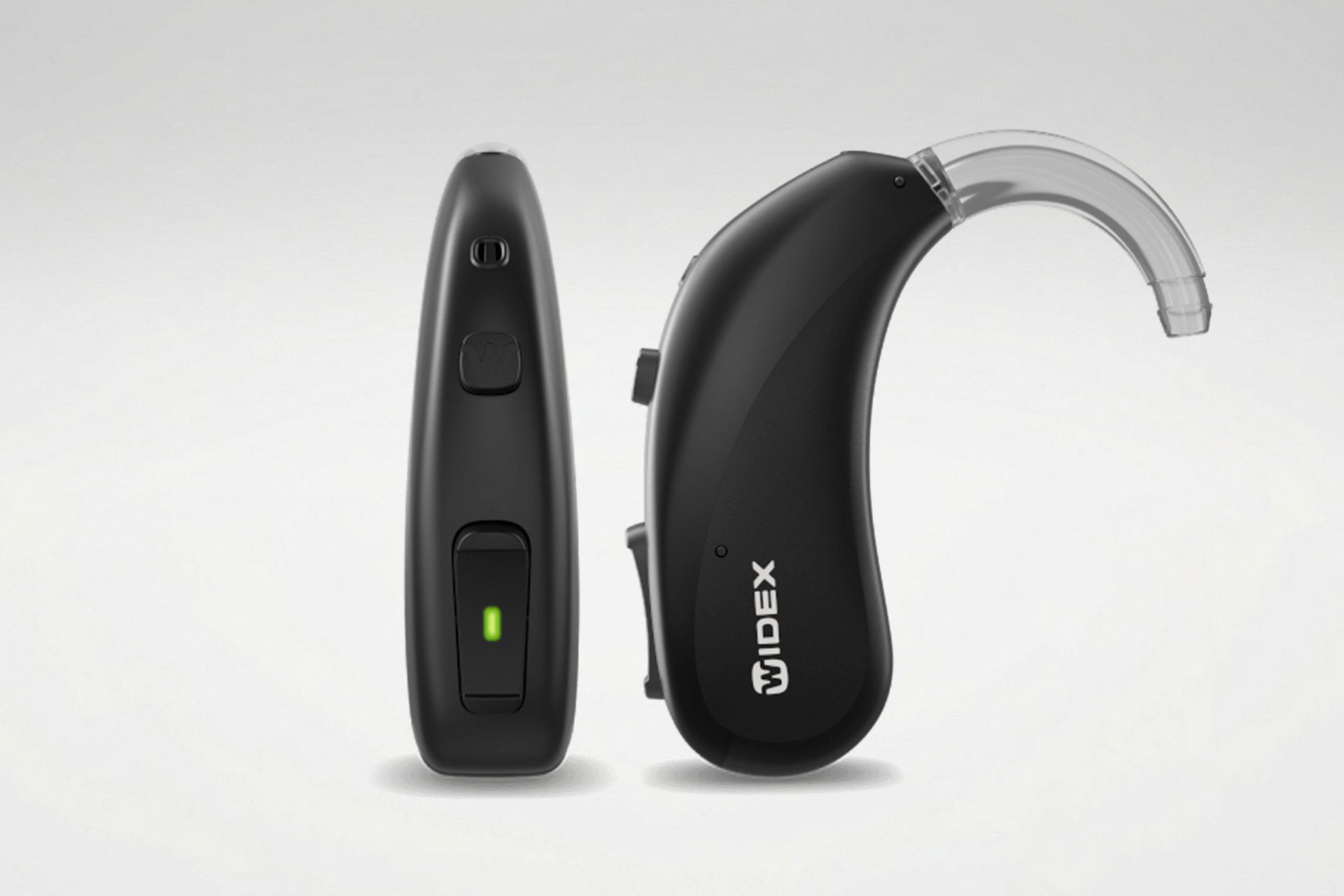
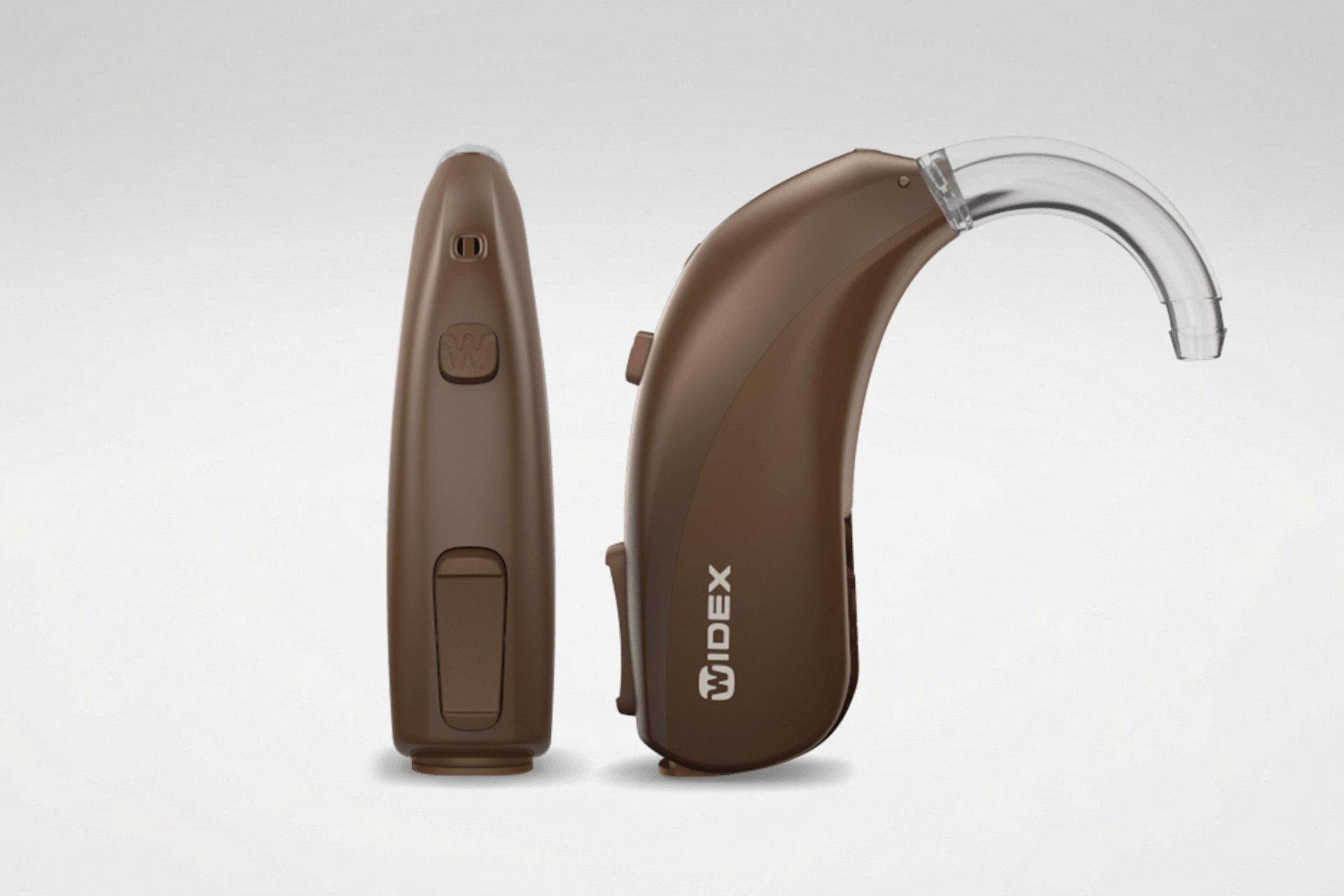
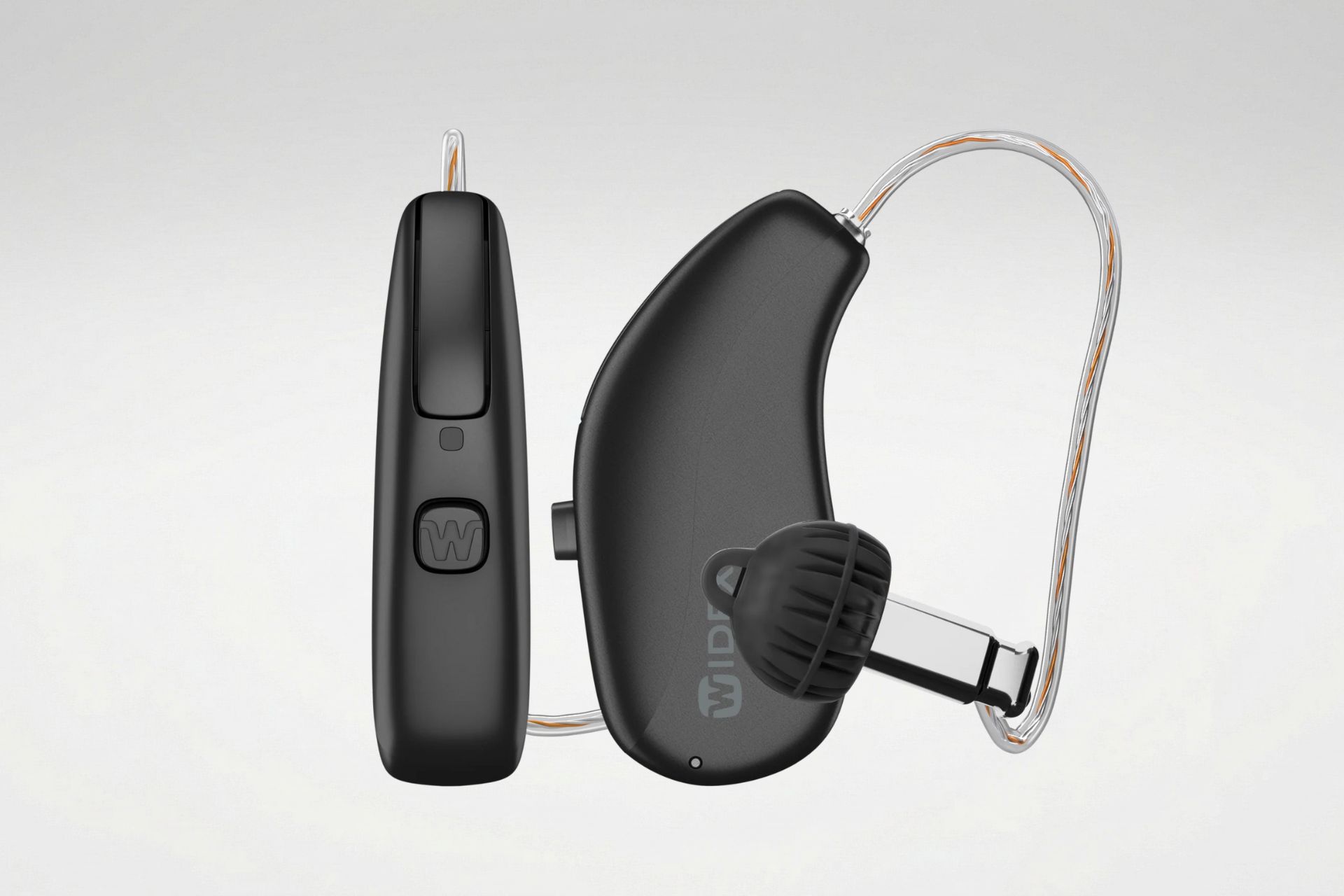
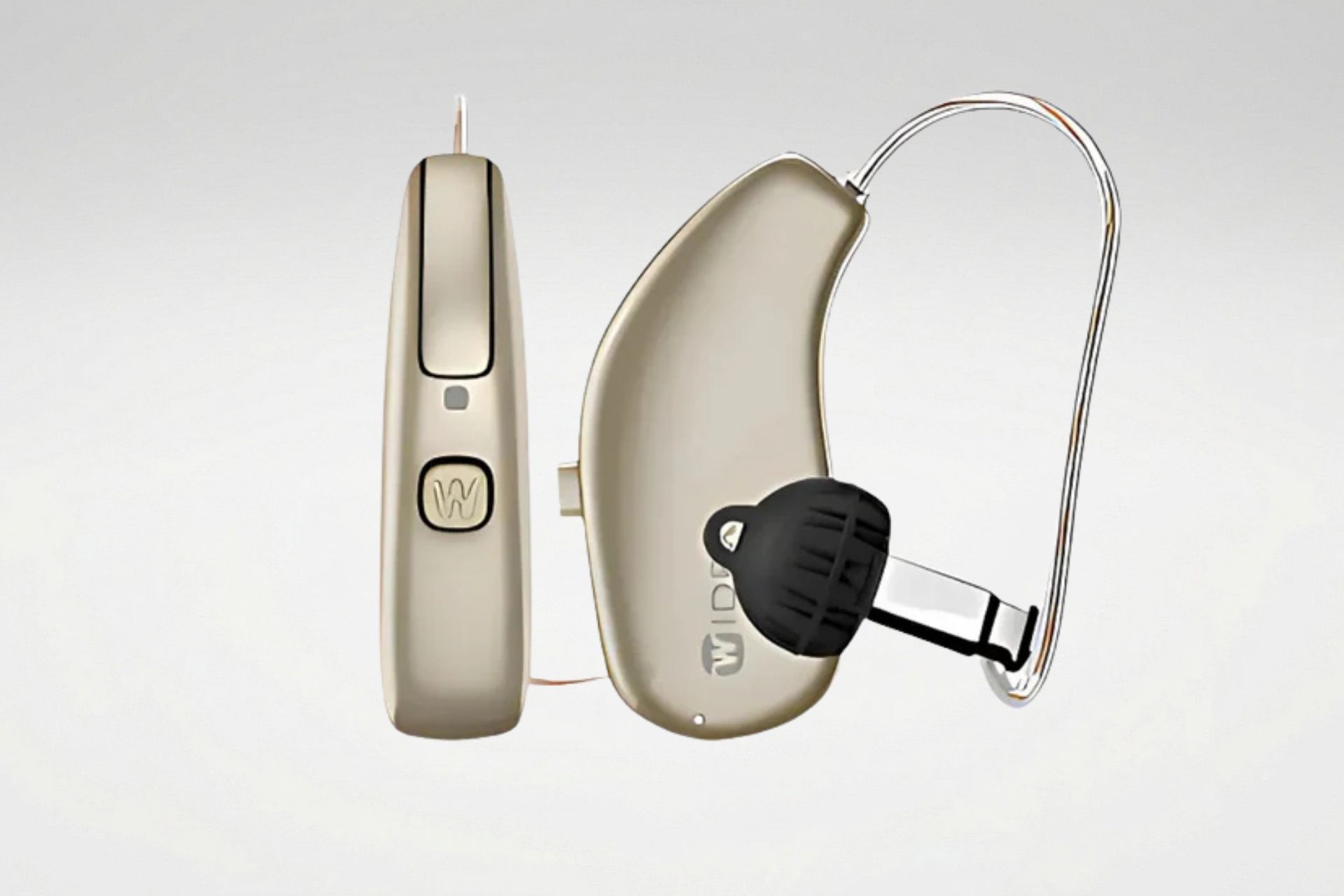
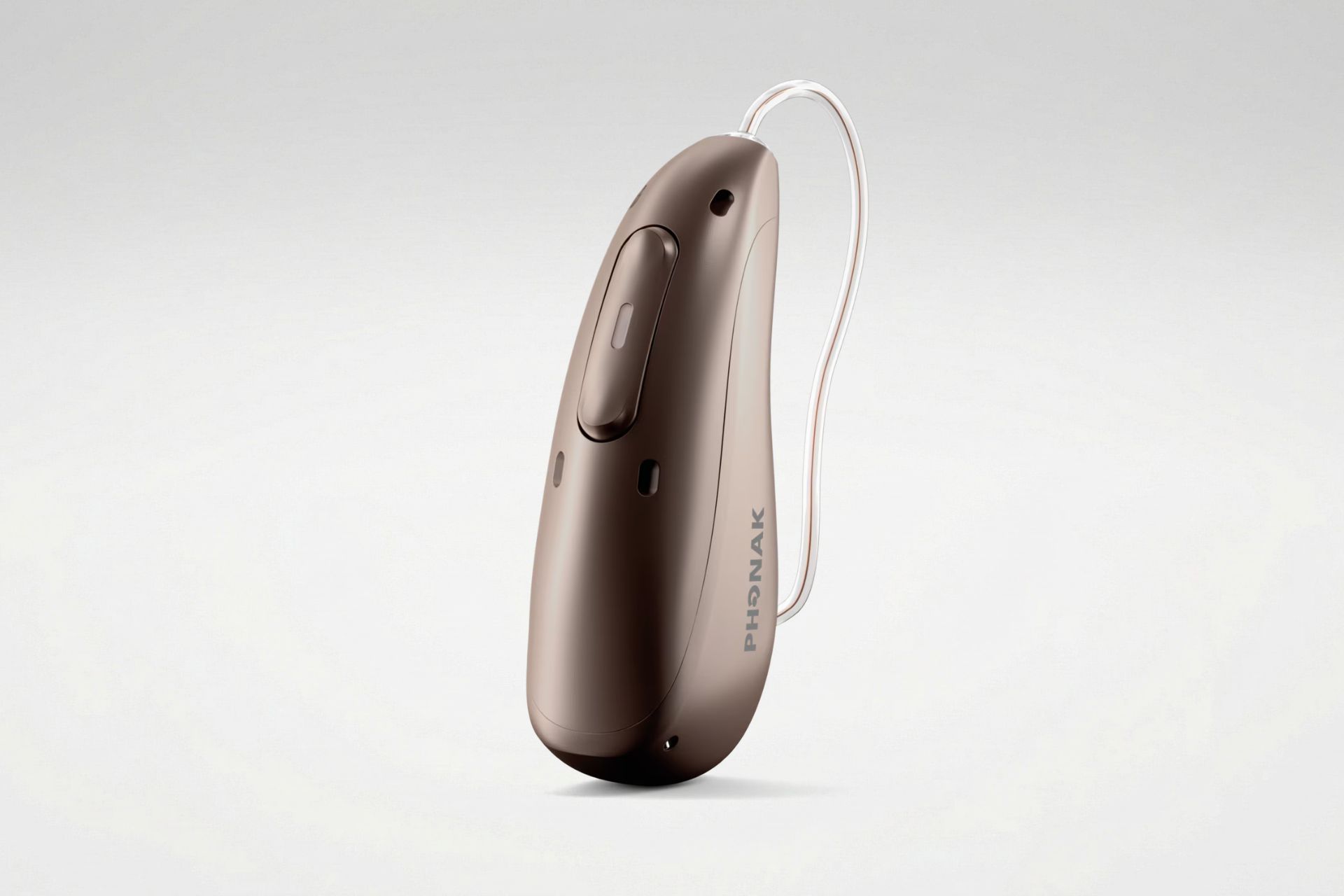
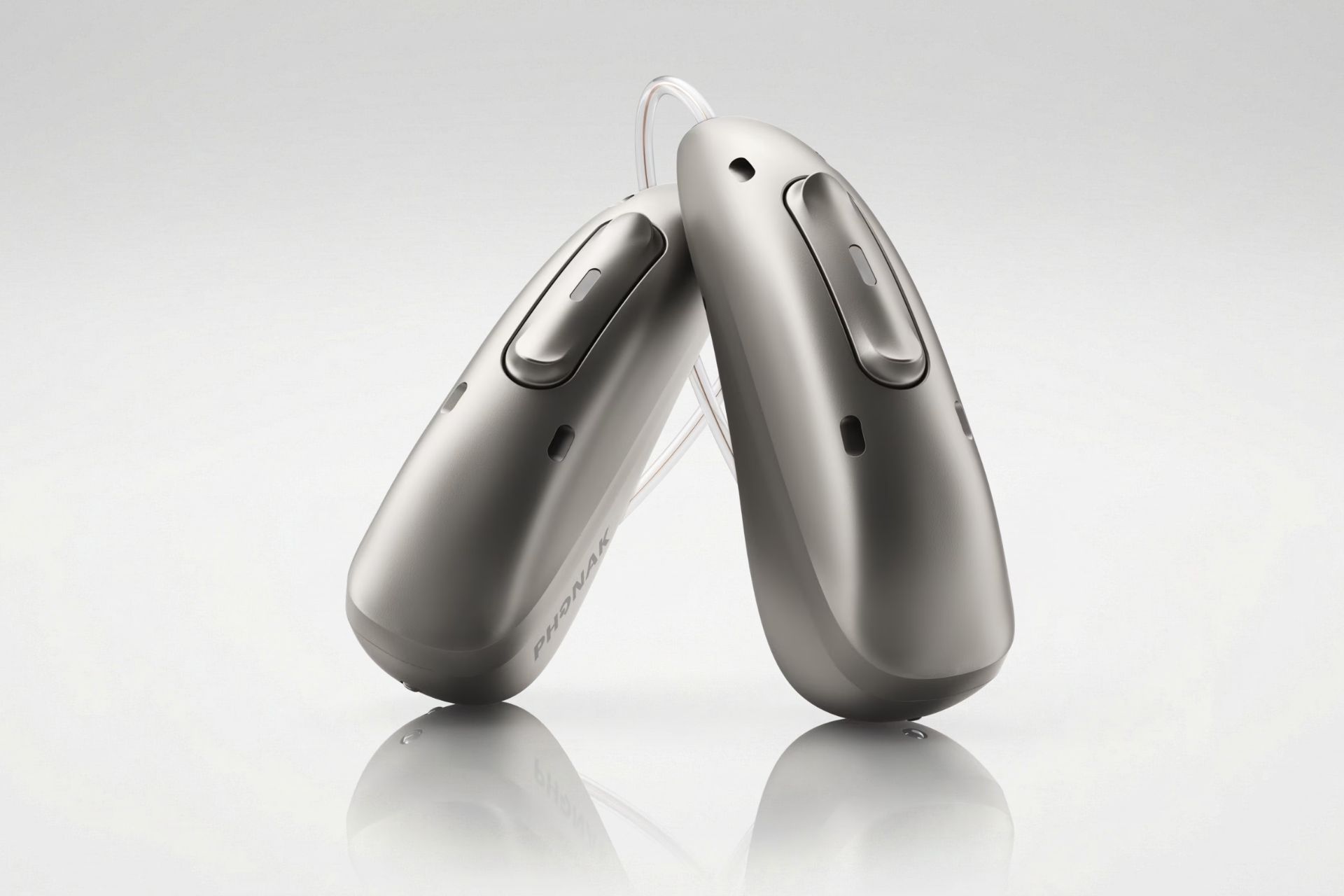
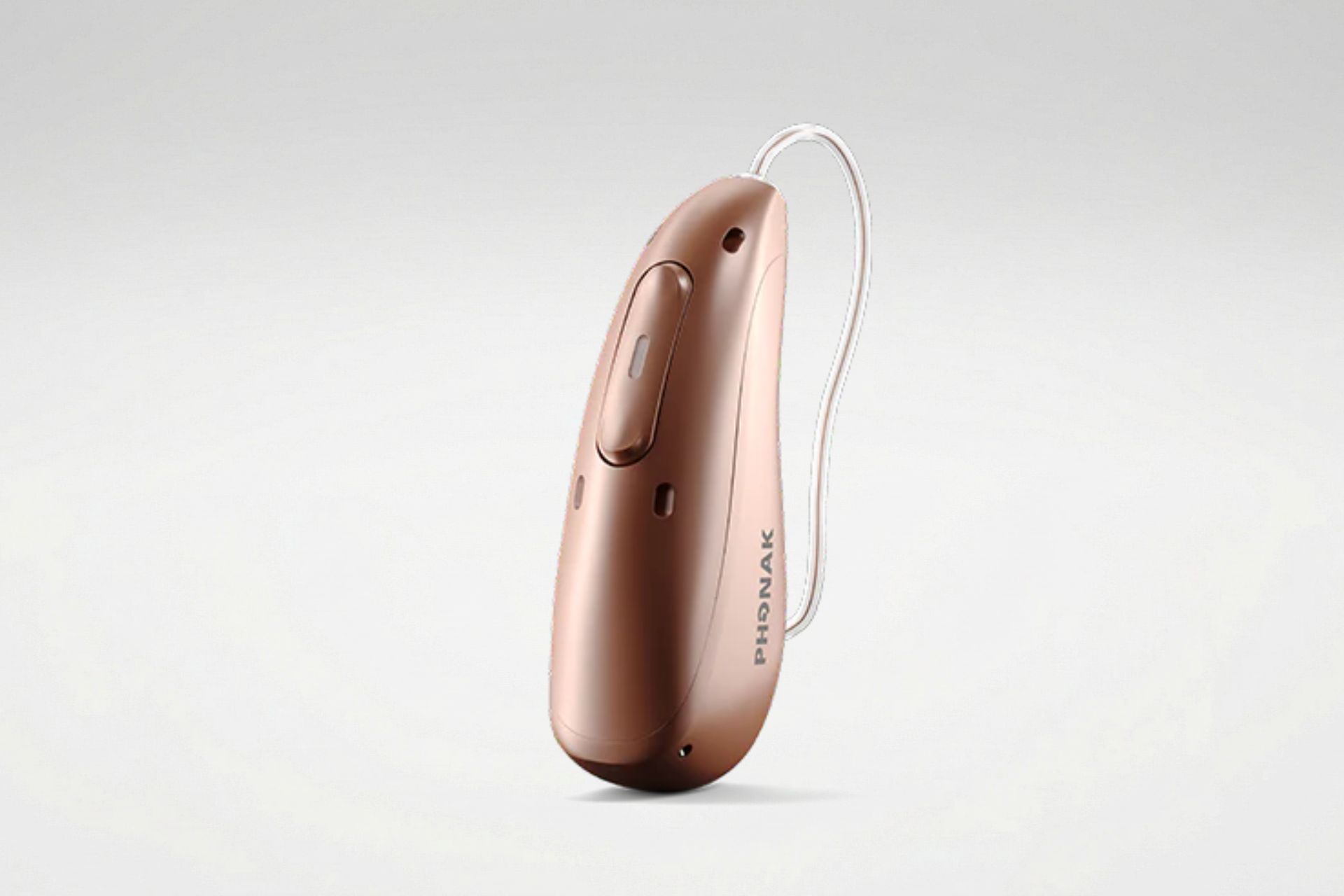
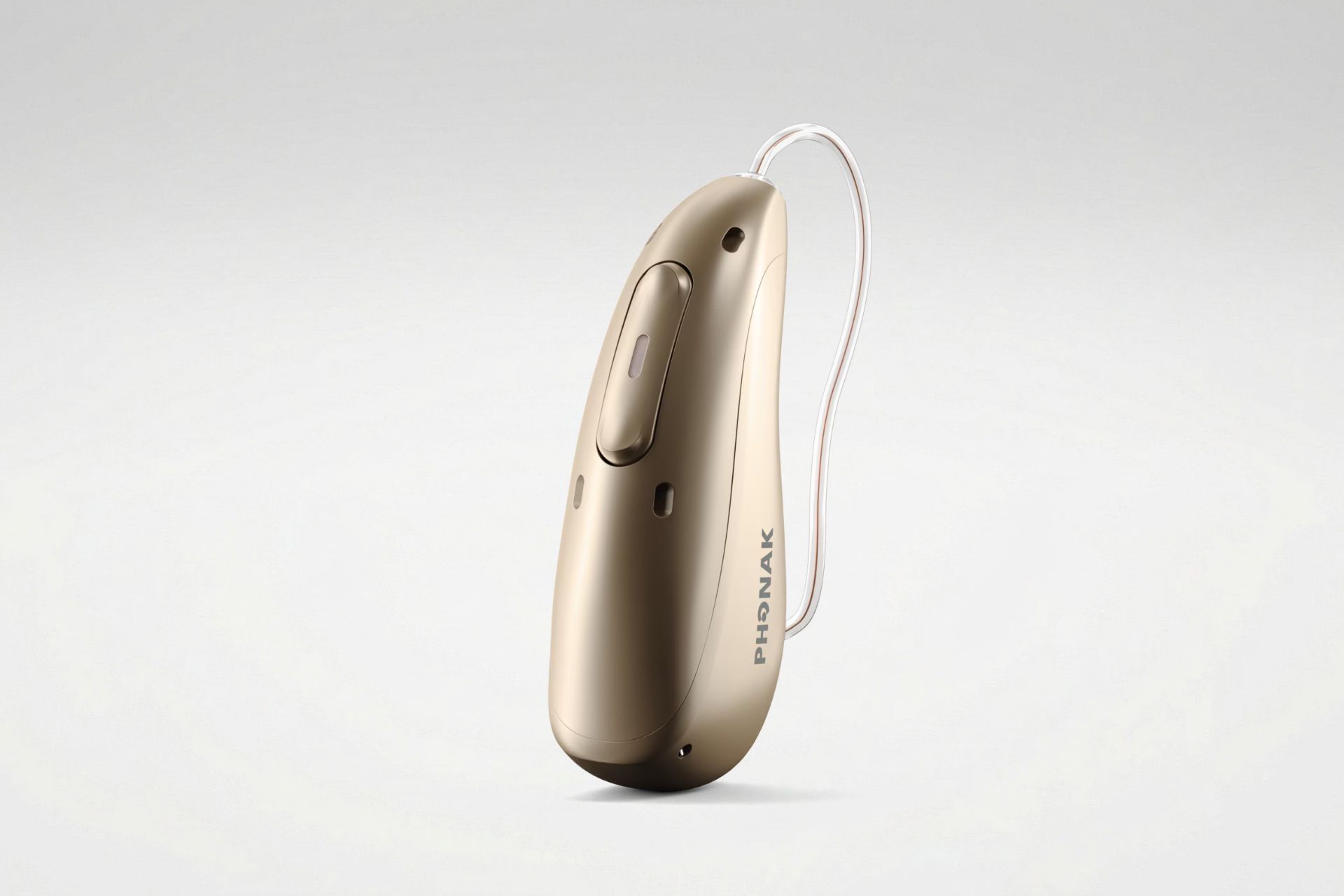
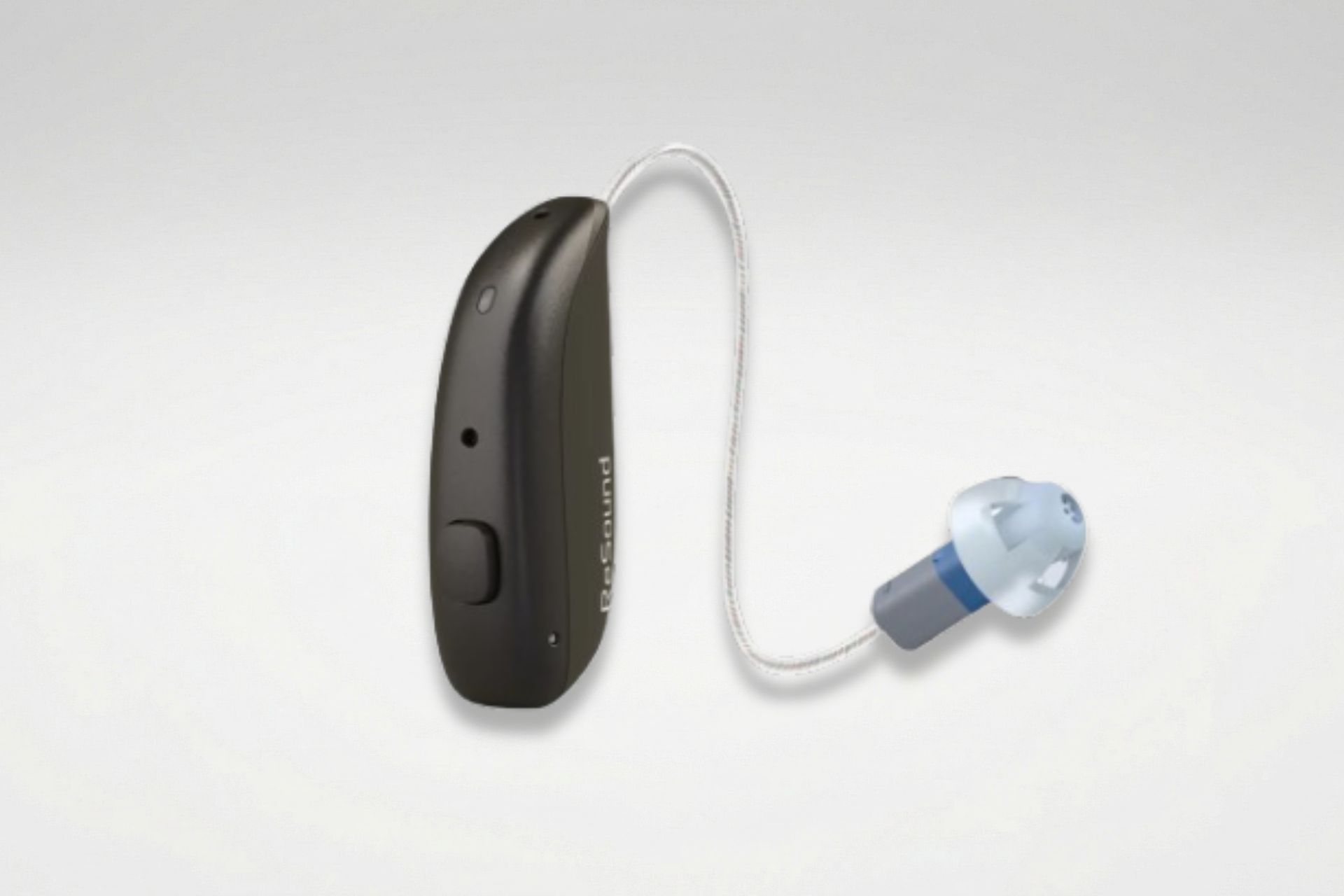
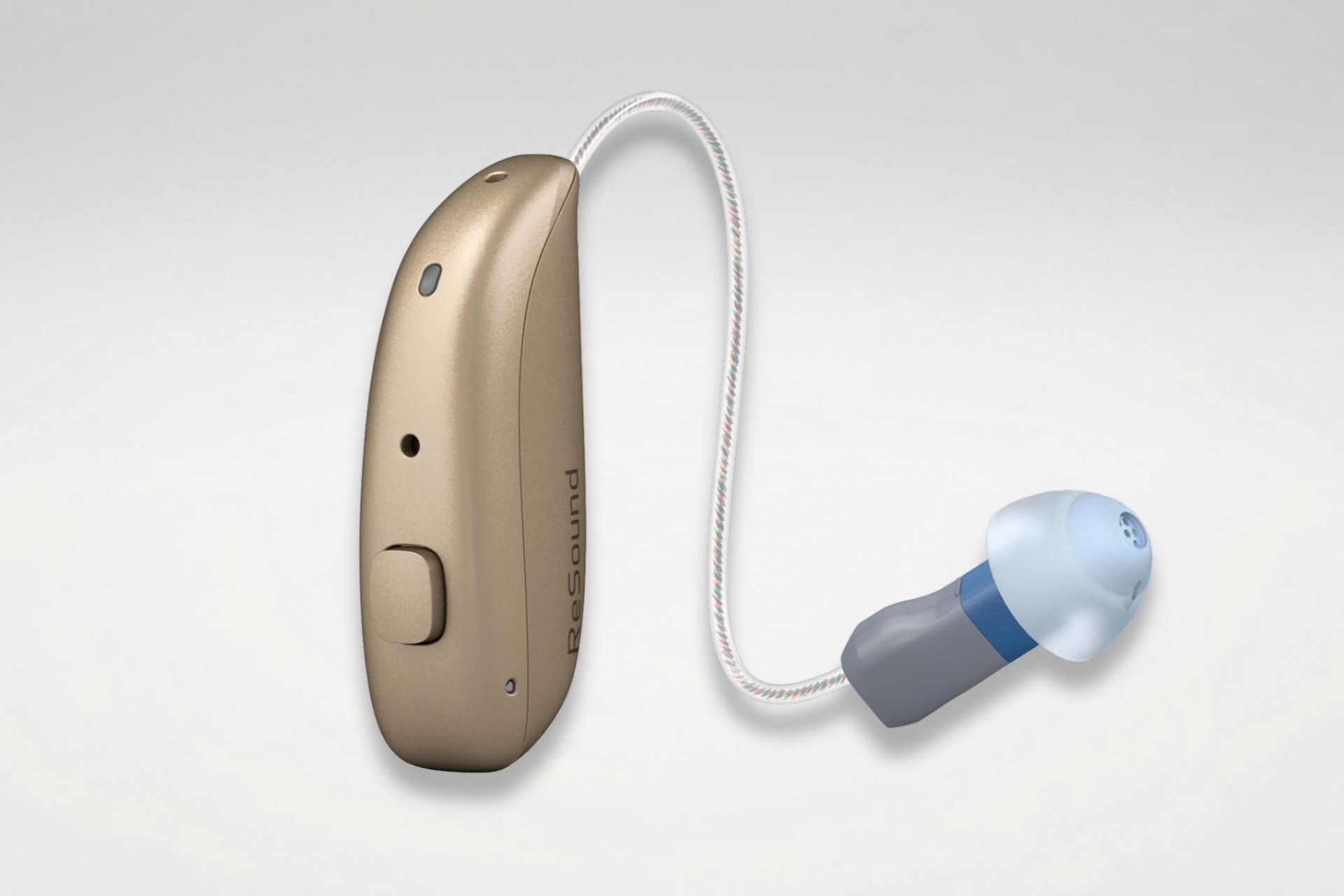
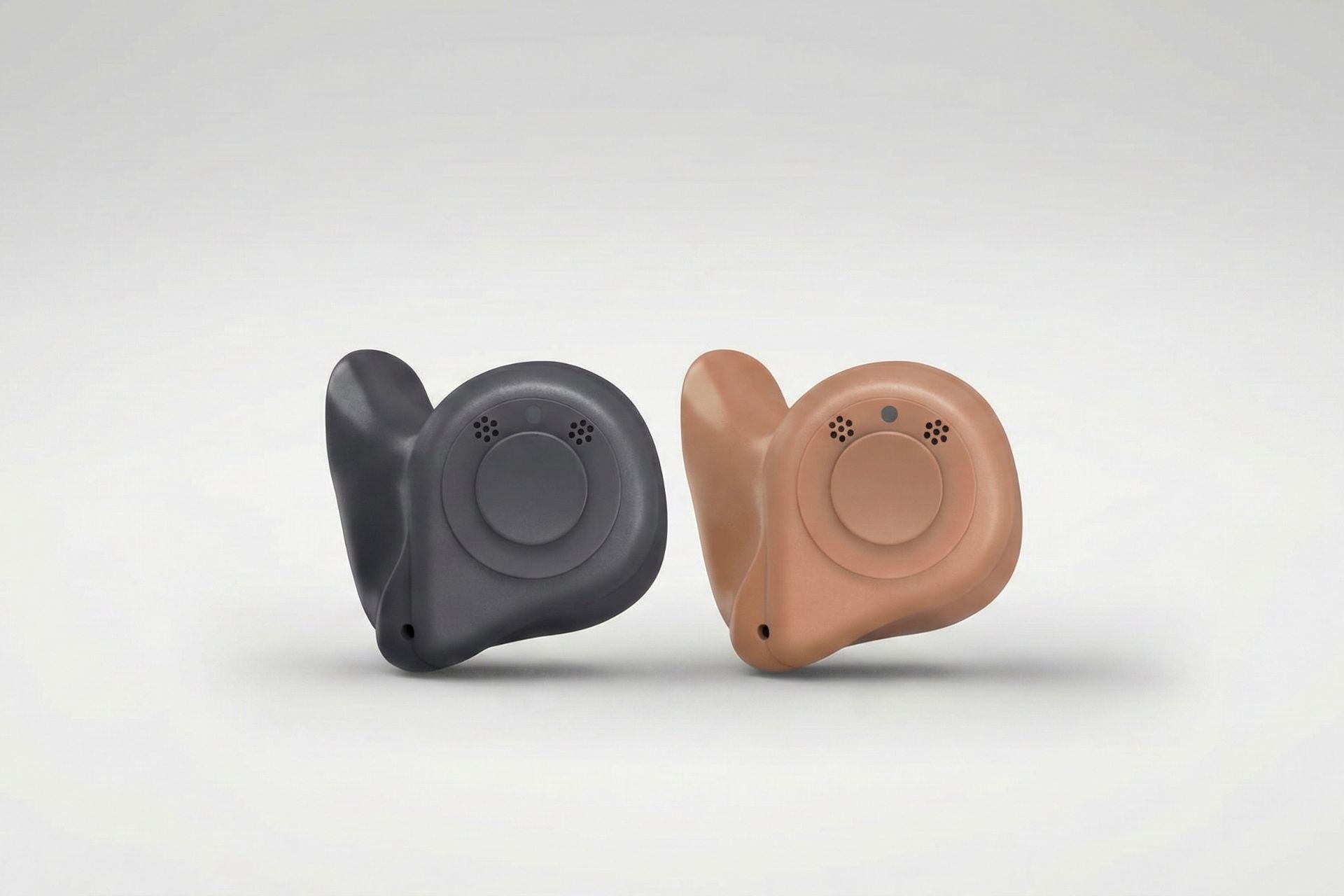
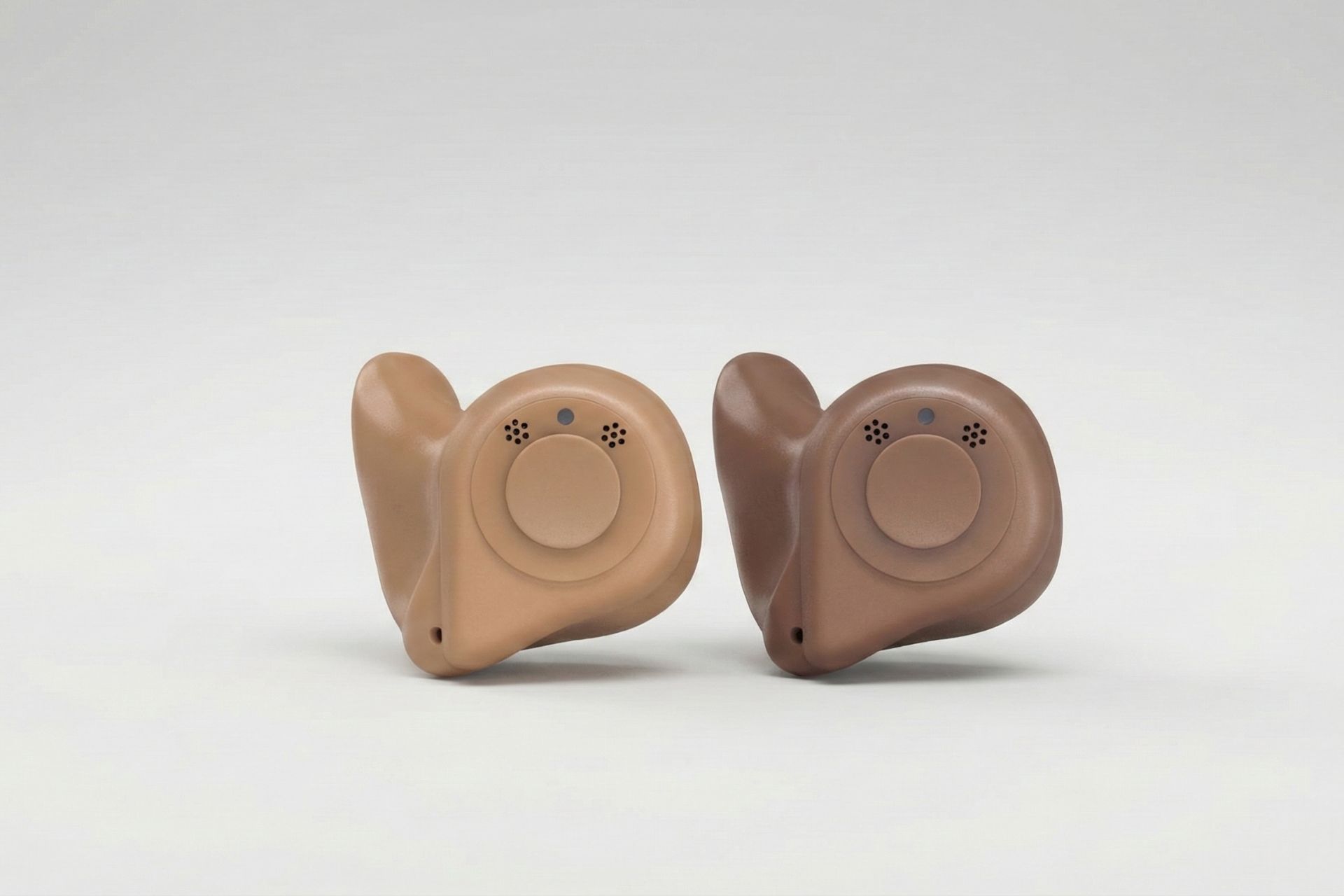
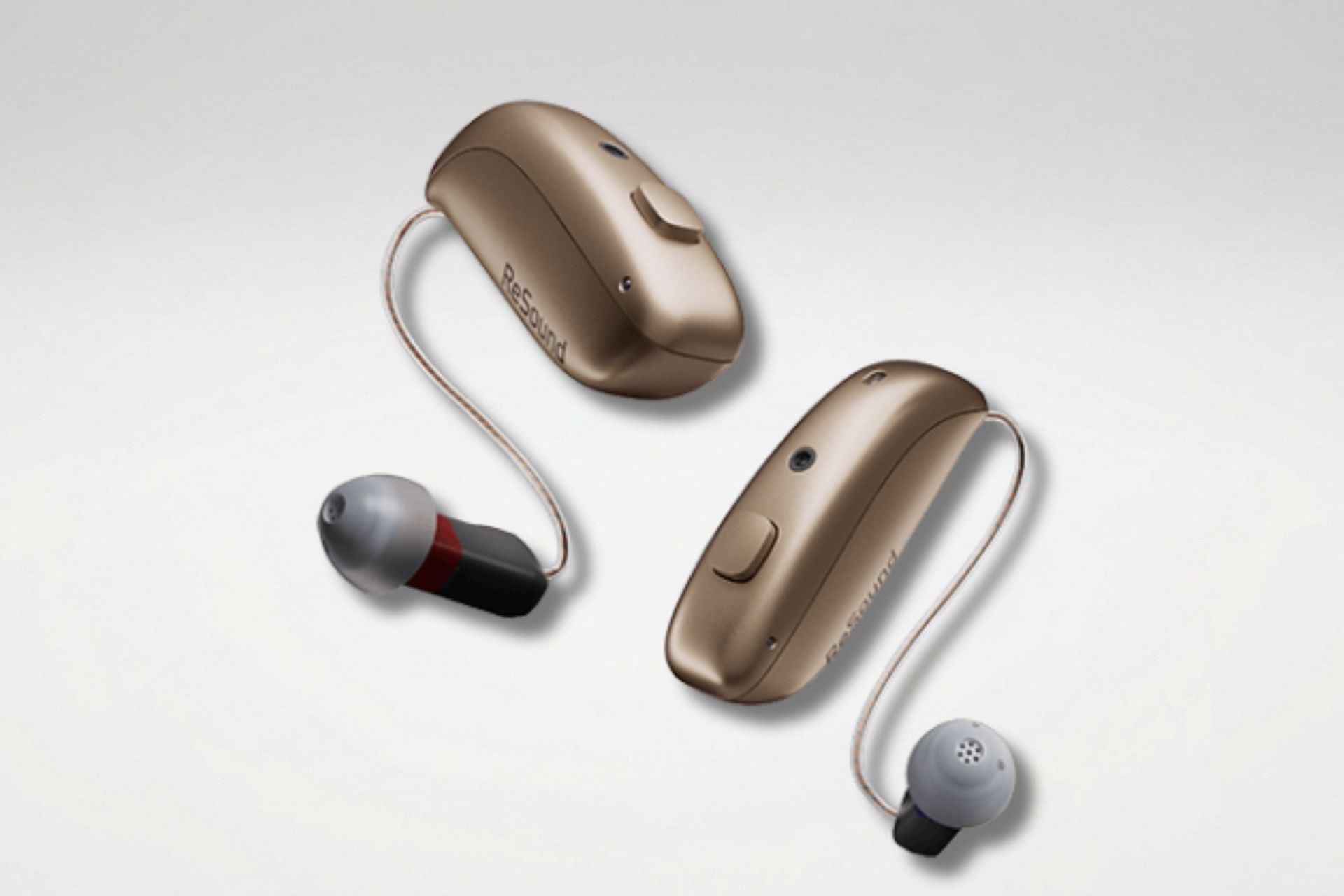

A little knowledge about hearing aids heavily biases your selection toward surface-level features like price, size, and cosmetics, often leading to a poor purchase decision. When buyers lack deep insight, they overlook critical aspects like the care model, diagnostic testing, and digital processing features that actually dictate success. True awareness shifts your focus from “how it looks” to “how it functions” in your daily life. Having only a small amount of information affects your selection process in several distinct ways:
The "Invisible" Trap vs. Anatomical Reality
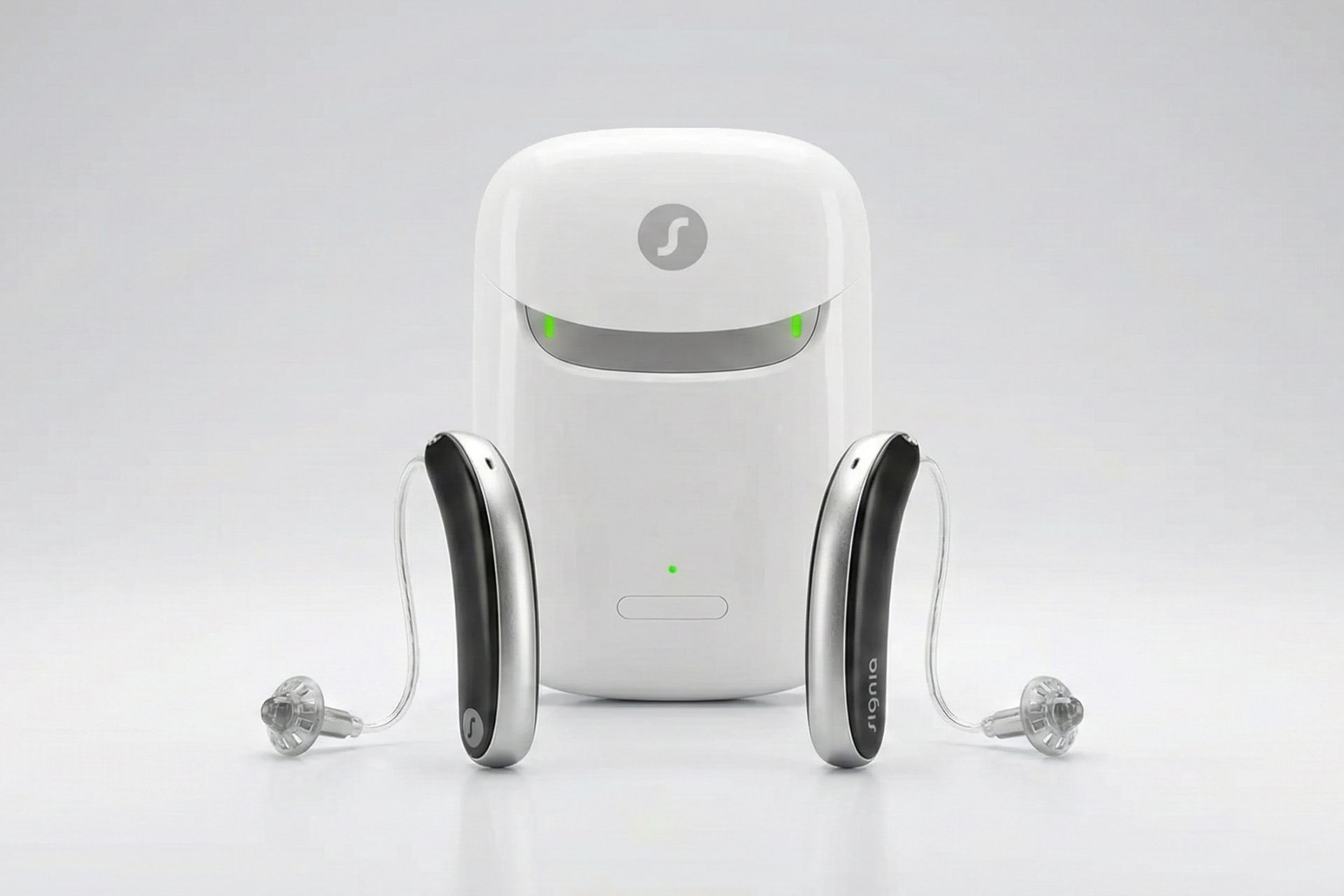
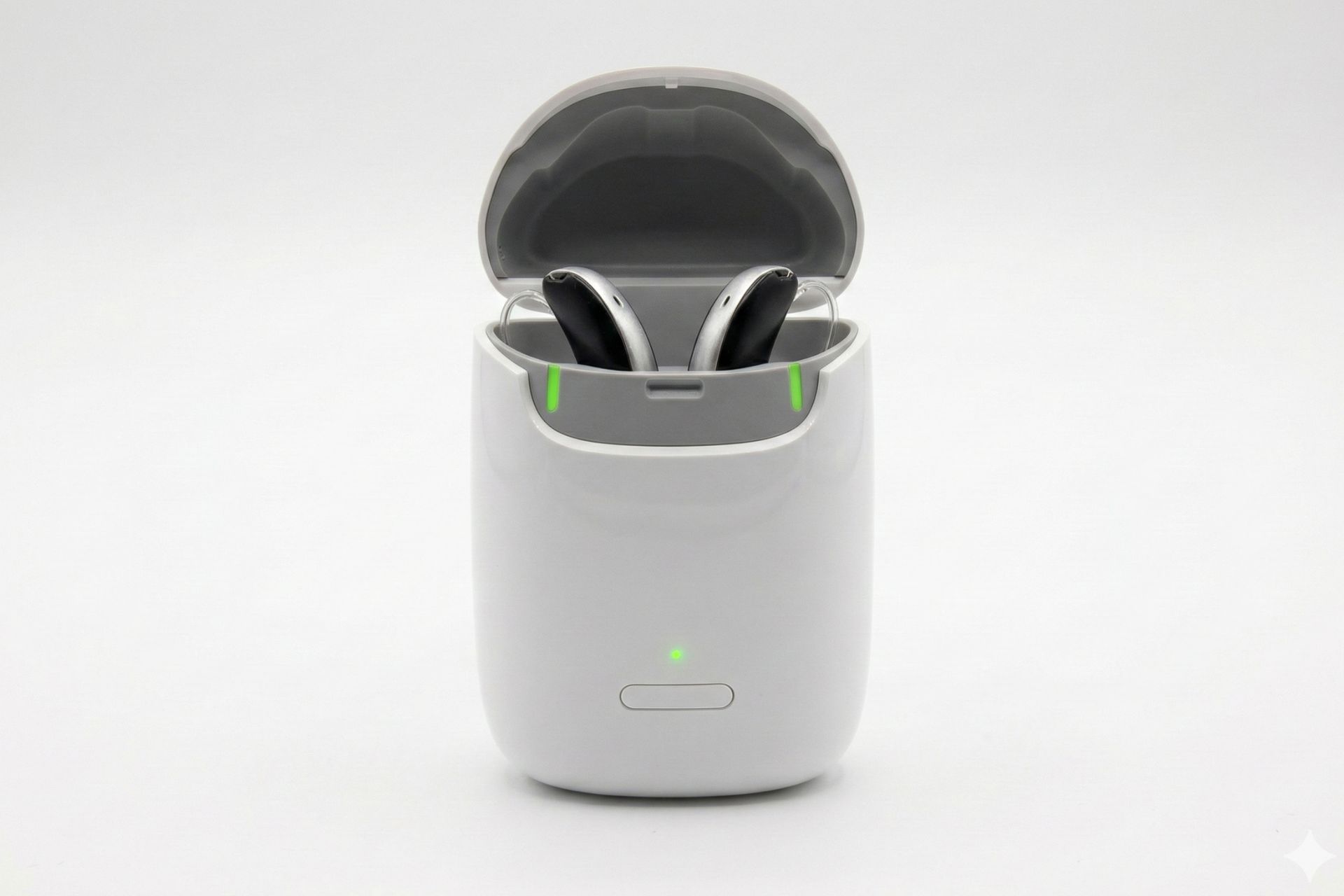
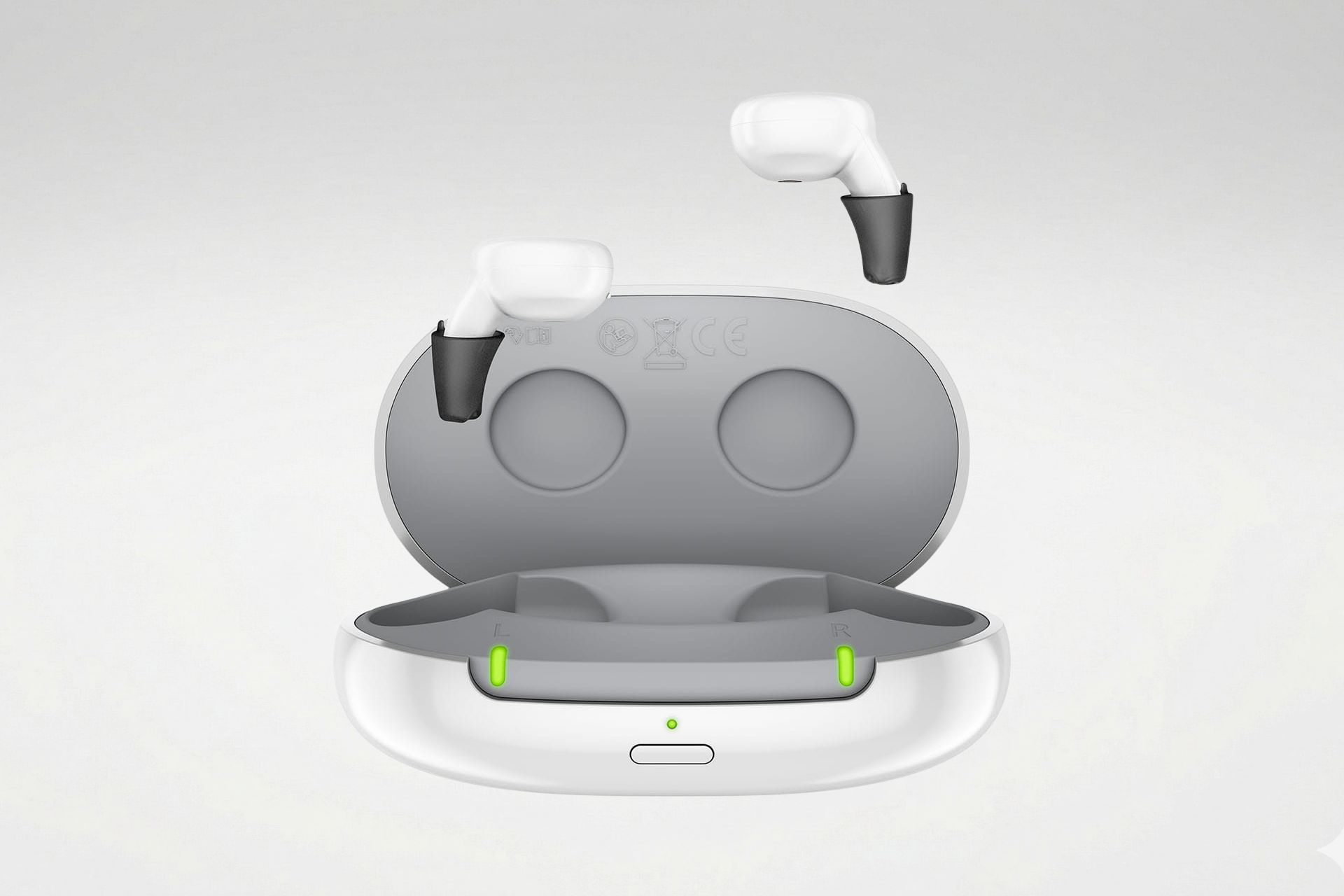
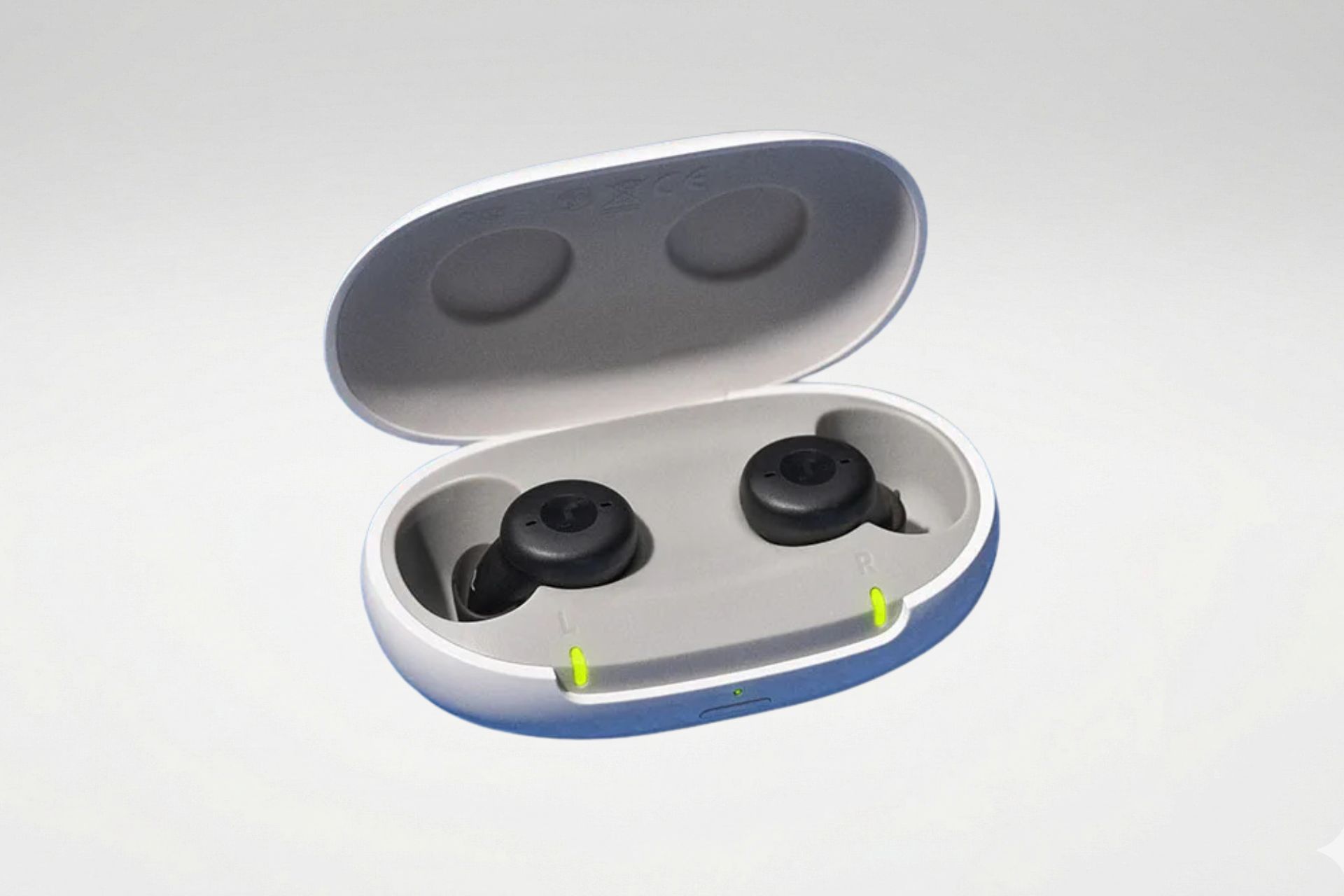
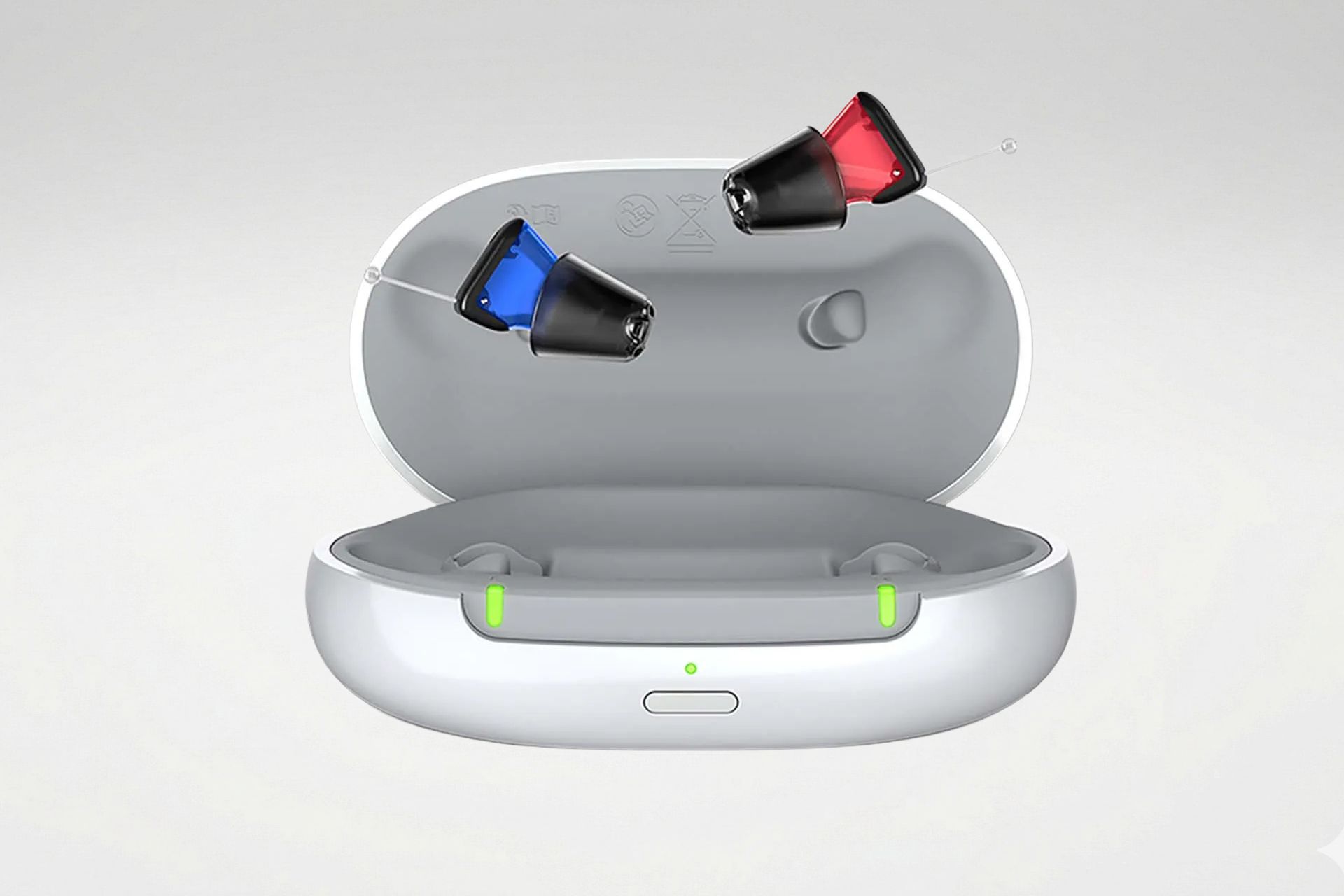
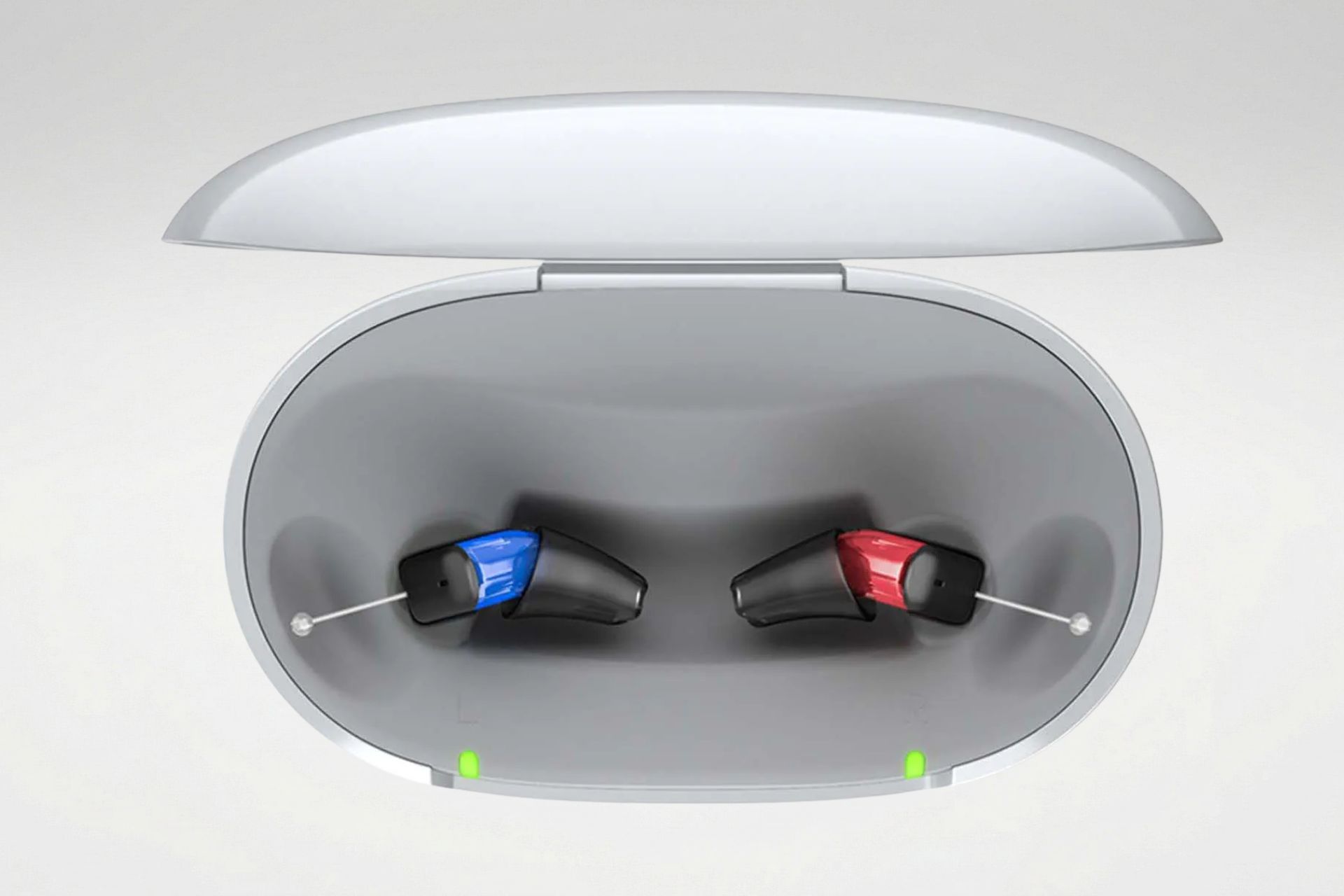
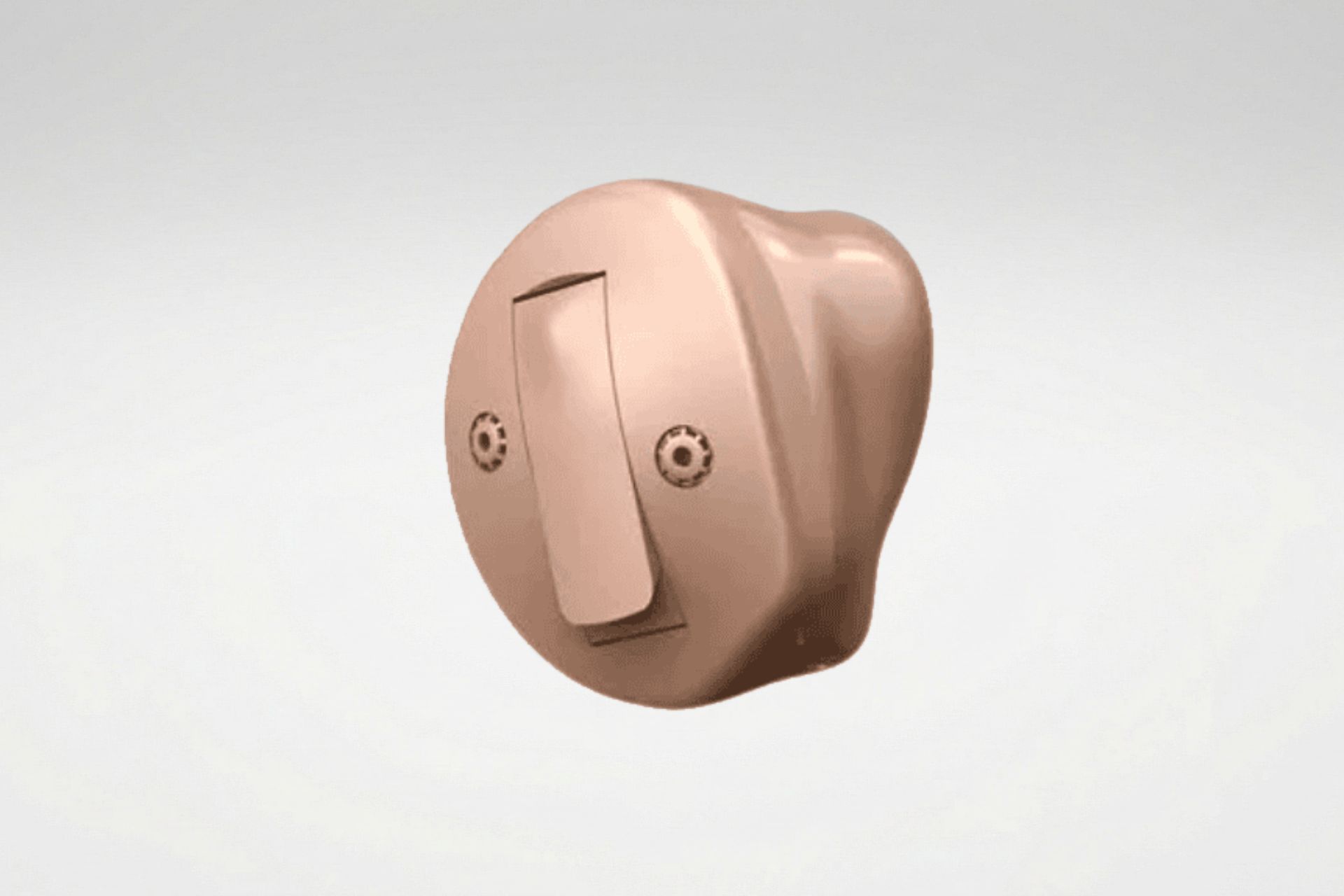
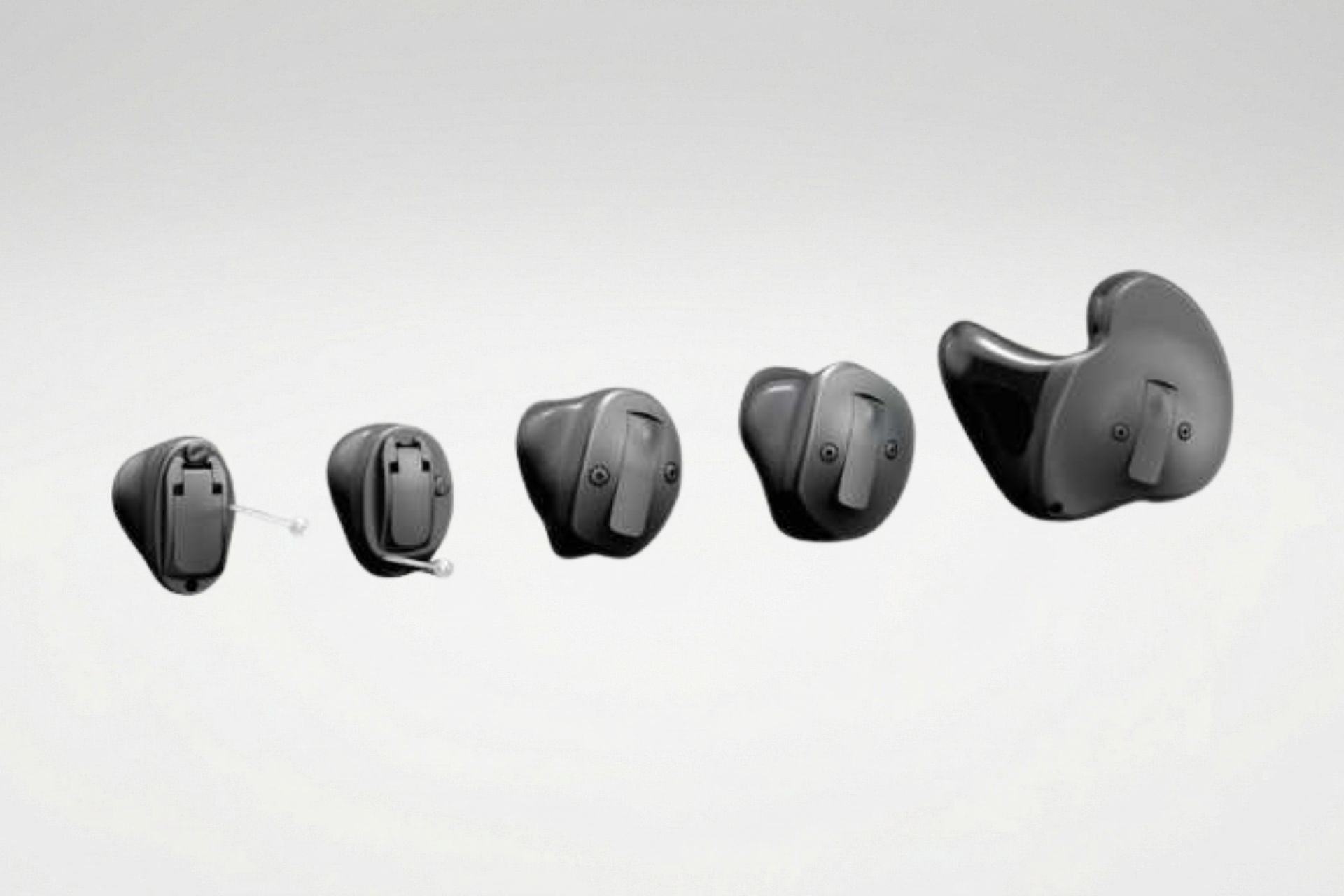
- Prioritising Cosmetics: Limited knowledge makes buyers fixate on style, usually demanding completely-in-the-canal (CIC) models solely because they are hidden.
- Ignoring Canal Fit: Small ears or narrow canals may not physically accommodate tiny custom models, causing irritation or forcing the device to pop out.
- Overlooking Severity: Tiny hidden models lack the power needed for severe or profound hearing loss, meaning you might buy a device that cannot amplify sound enough for your needs.
Price Misconceptions
- Assuming Premium Equals Best: A surface-level understanding implies that a premium device guarantees perfect hearing. Real-world studies show basic technology levels often perform identically to premium ones in quiet environments.
- The Danger of Cheap Alternatives: To save money, uninformed buyers often purchase cheap “personal sound amplifiers” online, confusing them with true, regulated over-the-counter (OTC) or prescription hearing aids.Misunderstanding Features
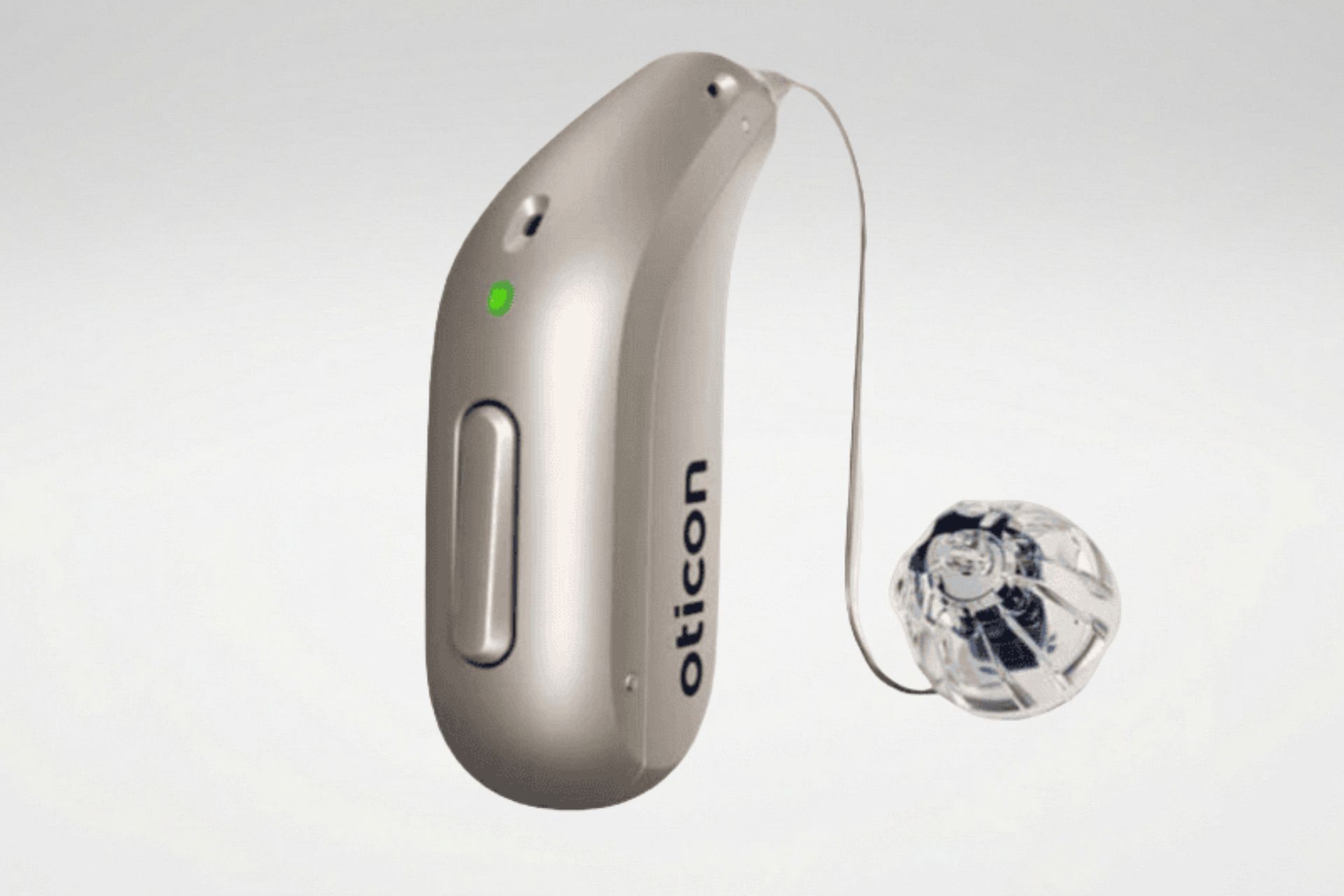
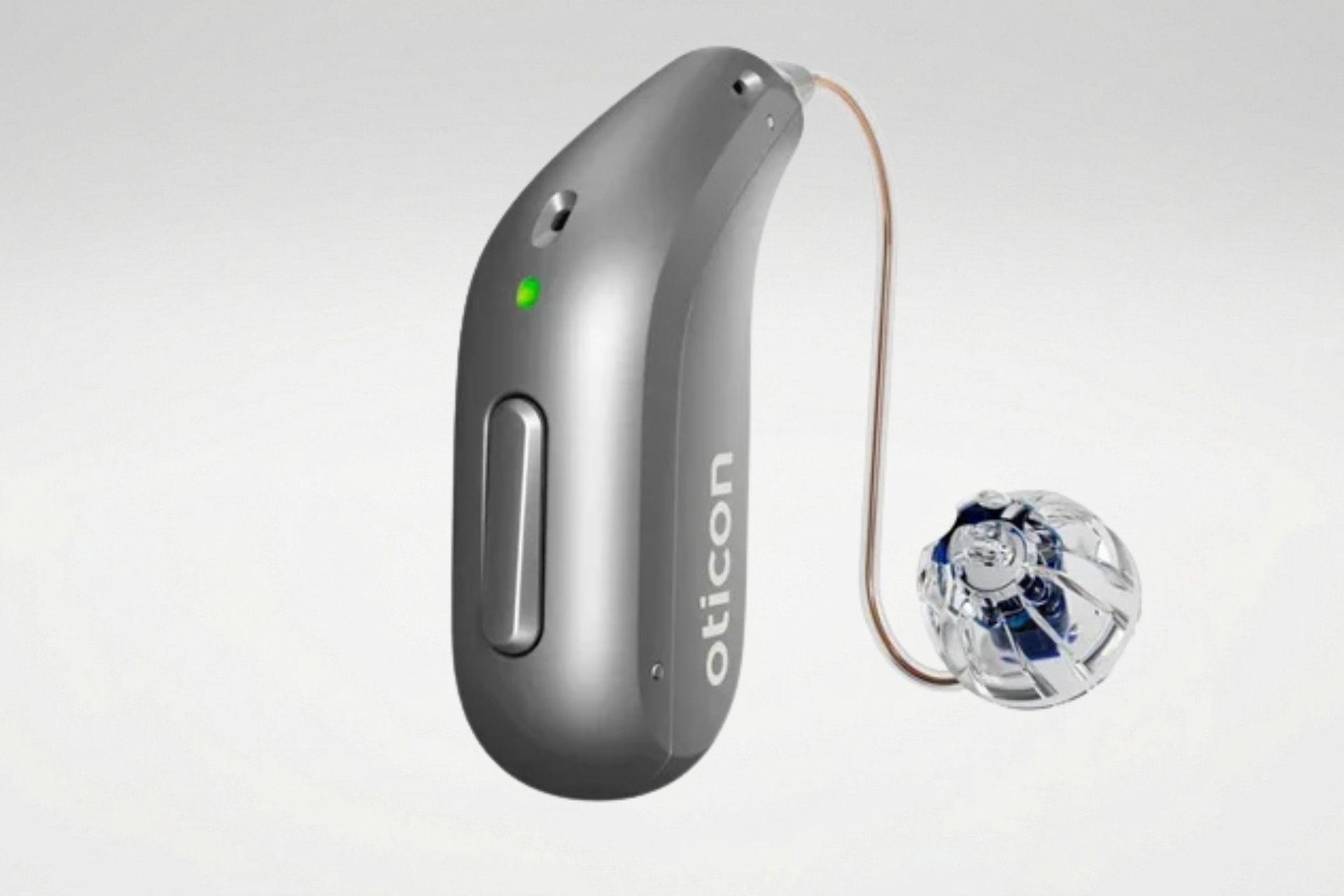
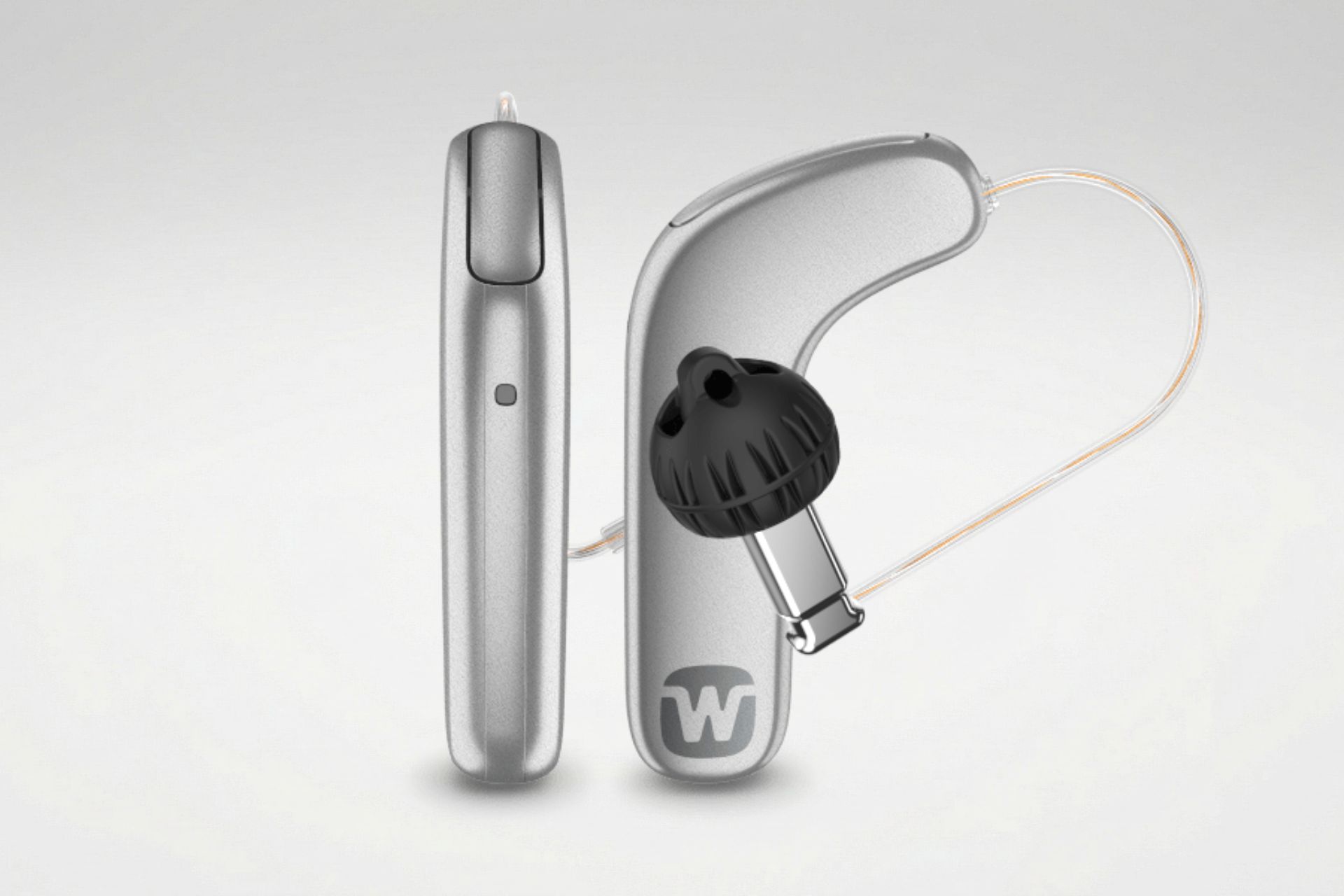
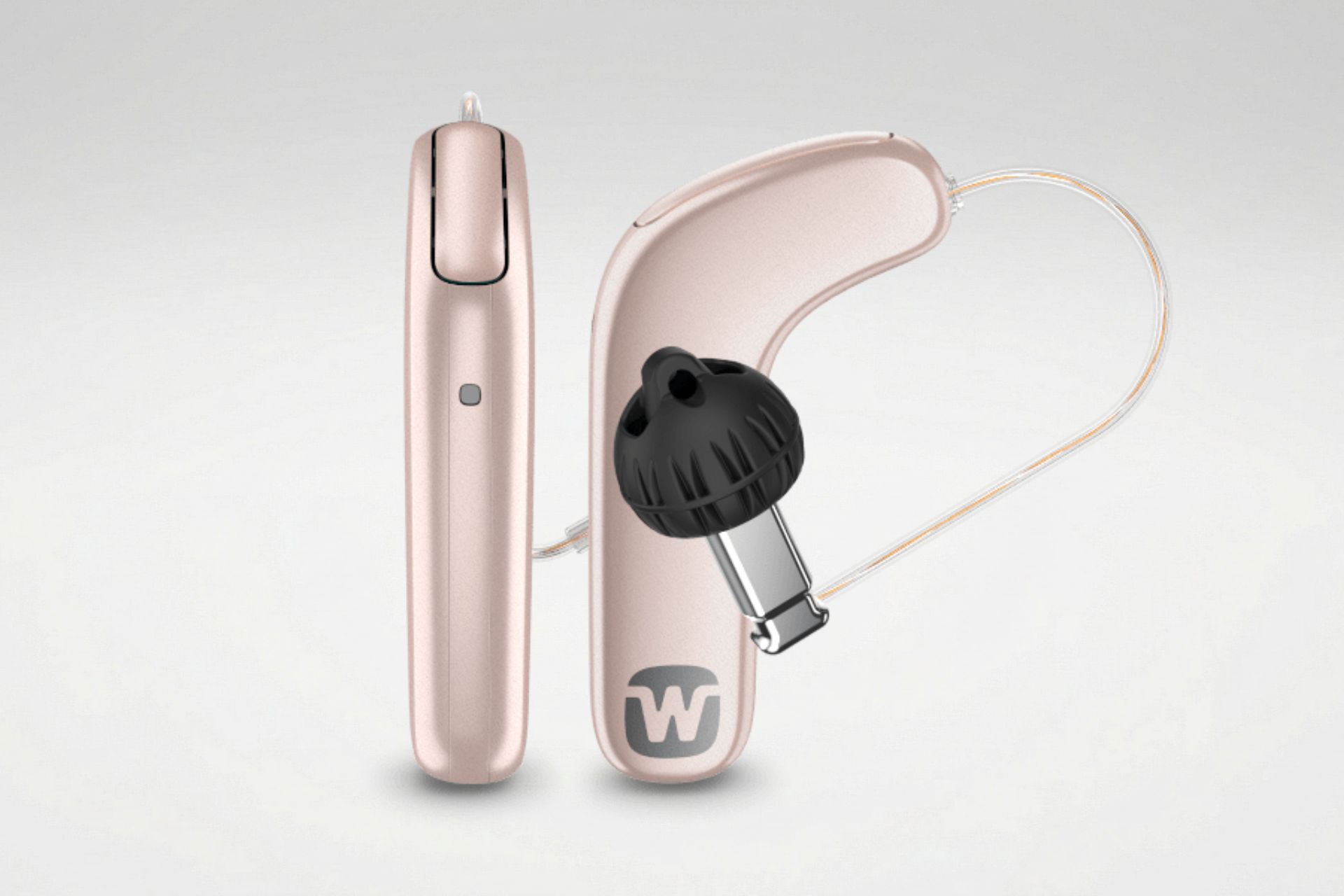
- Chasing Bluetooth Over Acoustics: Basic knowledge leads buyers to demand modern tech features like smartphone streaming while completely ignoring crucial sound-processing tools.
- Neglecting Directional Microphones: Without knowing about dual directional microphones, buyers struggle to hear speech in noisy restaurants because their device amplifies background noise from every direction equally.
- Overlooking the Value of the Care Model Ignoring the
- Adaptation Period: A little knowledge makes people expect an immediate “glasses-like” fix. In reality, the brain requires weeks to relearn how to process forgotten frequencies, meaning many give up and shelf their devices prematurely.