
Free Hearing Aid Trial in Delhi NCR: How It Works
Choosing a hearing aid is an important decision. Hearing aids are not simply electronic devices that make sounds louder—they need to be selected, programmed and fitted according to your hearing needs, lifestyle and listening environment.
If you are considering hearing aids
but are unsure which model is right for you, a free hearing aid trial in Delhi
NCR can be a useful way to experience hearing technology before making your
decision.
At Stilly, you can explore
advanced hearing solutions with professional guidance, personalized fitting and
hearing-aid trials. Visit www.stilly.in to explore available hearing-care
services.
What
Is a Hearing Aid Trial?
A hearing aid trial allows you to
experience how a hearing device performs in your everyday listening situations.
Instead of choosing a hearing aid
based only on specifications or appearance, you can work with a hearing-care
professional to understand:
- How clearly you hear speech
- How comfortable the device feels
- How well you hear in conversations
- How the hearing aid performs in background noise
- Whether you prefer rechargeable or battery-powered
devices
- How Bluetooth and streaming features work with
compatible devices
- Whether the device suits your lifestyle
The goal is to help you make a more
informed decision about your hearing care.
How Does a Free Hearing Aid Trial in Delhi NCR Work?
A professional hearing-aid trial
generally involves several important steps.
1.
Book Your Hearing Consultation
The first step is to schedule a
hearing consultation.
With Stilly, you can enquire about a
hearing aid trial in Delhi NCR and discuss whether a clinic or home
appointment is more convenient for you.
For people who have difficulty
travelling, a home hearing consultation can make the process easier.
2.
Get Your Hearing Trialed
Before recommending a hearing aid, a
hearing professional should understand your hearing profile.
A hearing assessment may help
determine:
- The degree of hearing difficulty
- Which frequencies are affected
- Differences between the two ears
- Your speech-hearing ability
- The type of hearing technology that may be suitable
A hearing test is an important part
of selecting and programming hearing aids appropriately.
3.
Discuss Your Lifestyle and Hearing Needs
Two people with similar hearing-test
results may have very different hearing requirements.
For example, you may spend most of
your time:
- Talking with family at home
- Attending meetings
- Going to restaurants
- Watching television
- Travelling
- Participating in social gatherings
- Using a smartphone
During the consultation, your
hearing professional can understand your daily listening environments and
recommend technology accordingly.
4. Choose the Right Hearing Aid Technology
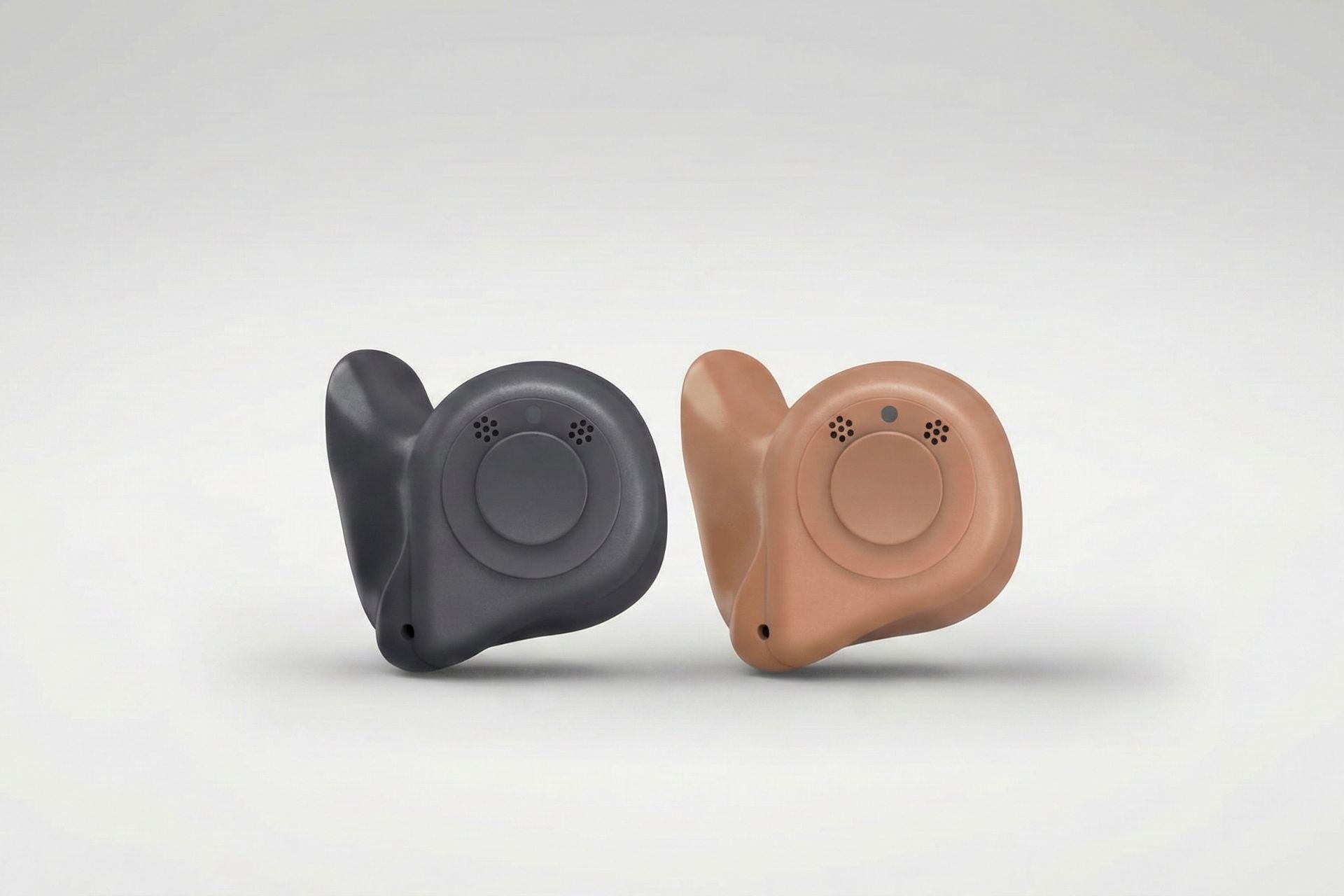
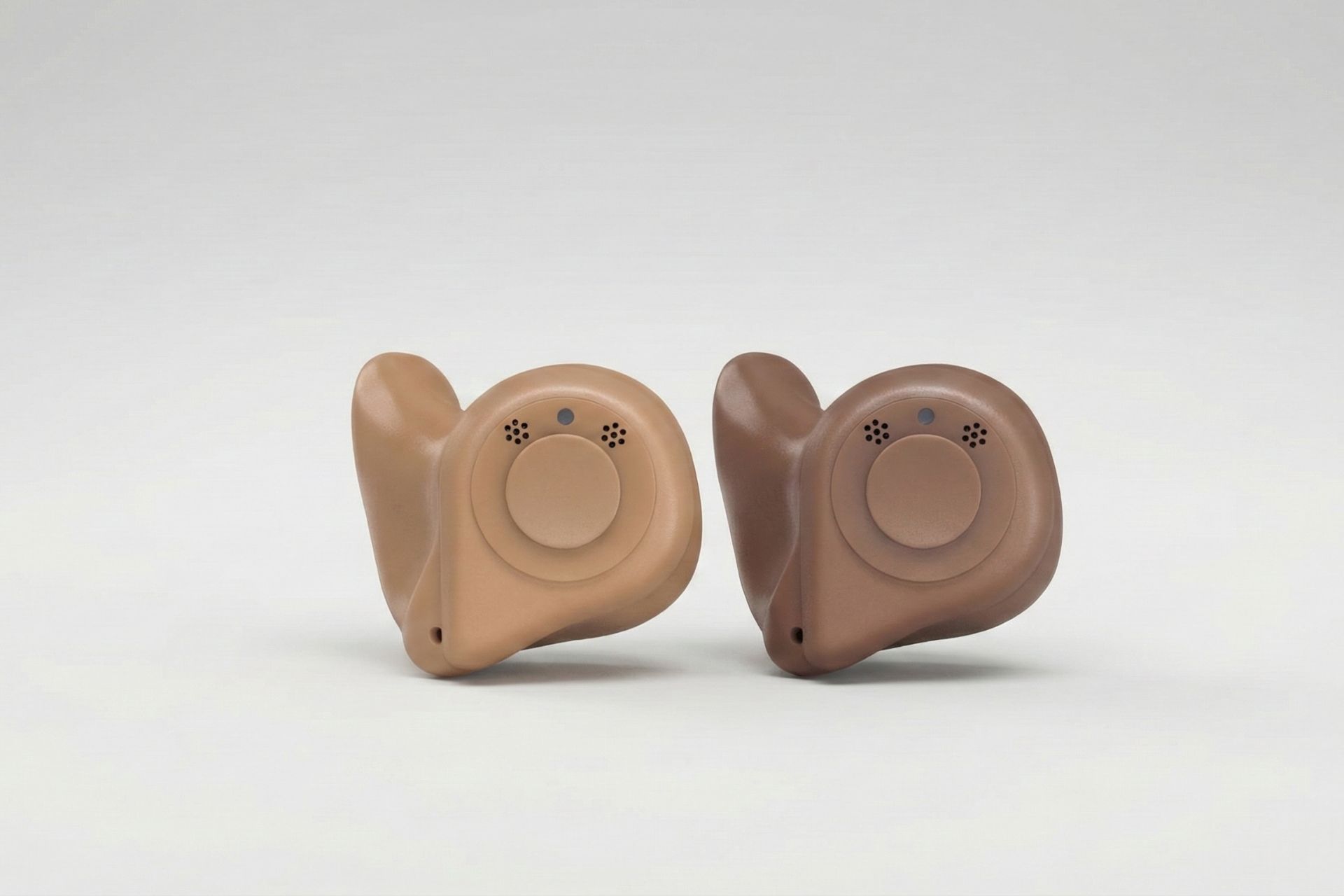
Today’s hearing aids come in
different technology levels, styles and features.
Depending on your hearing
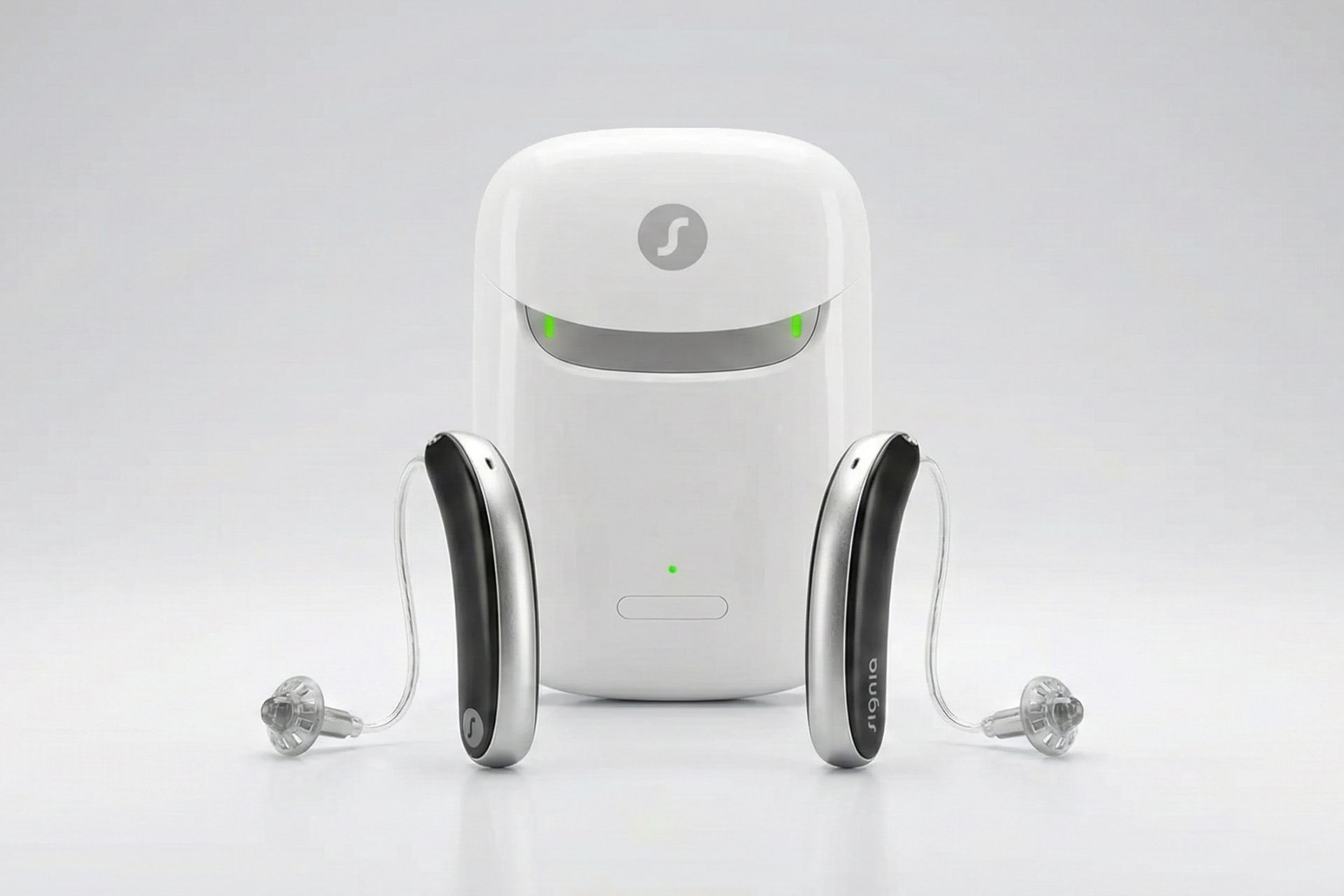
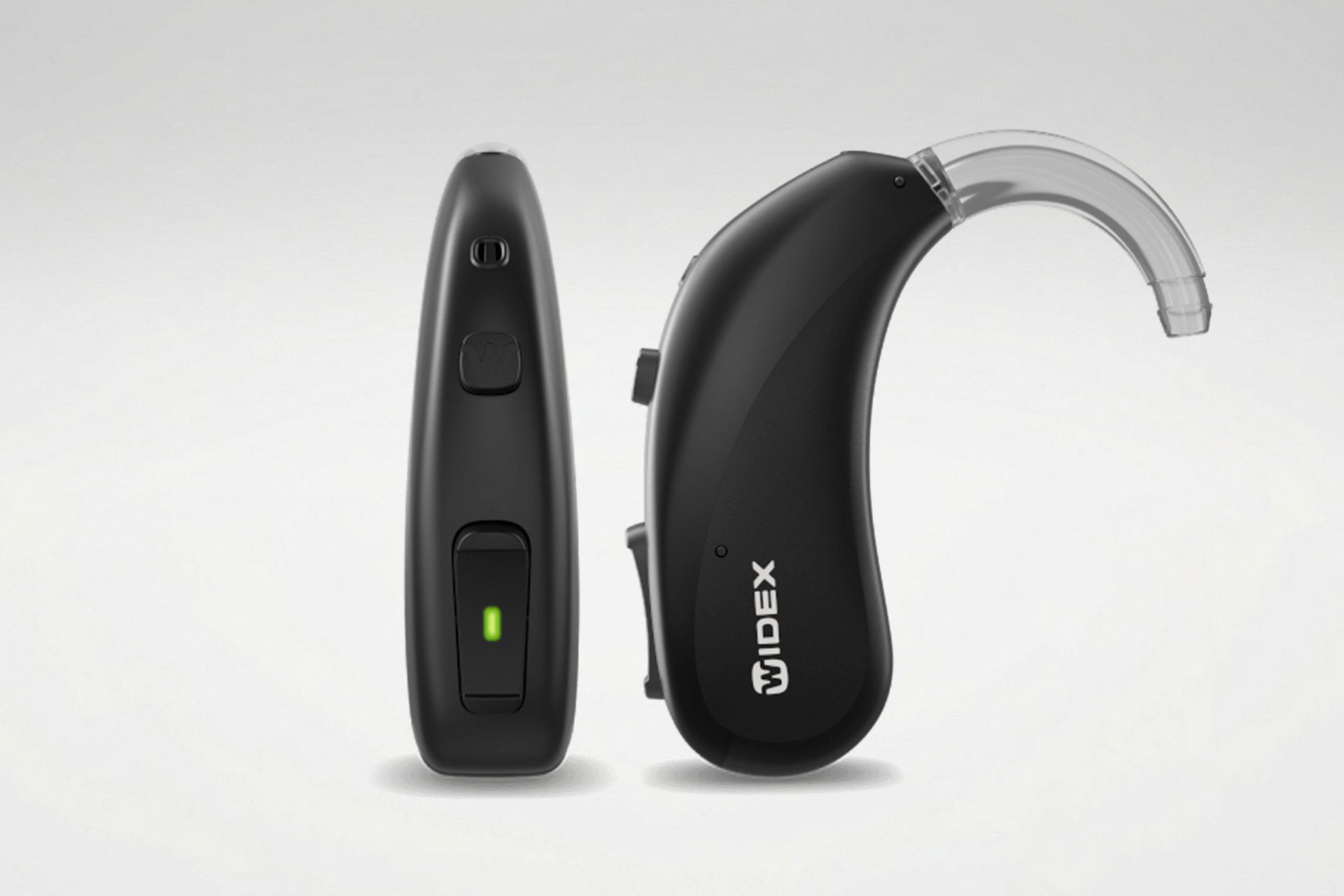
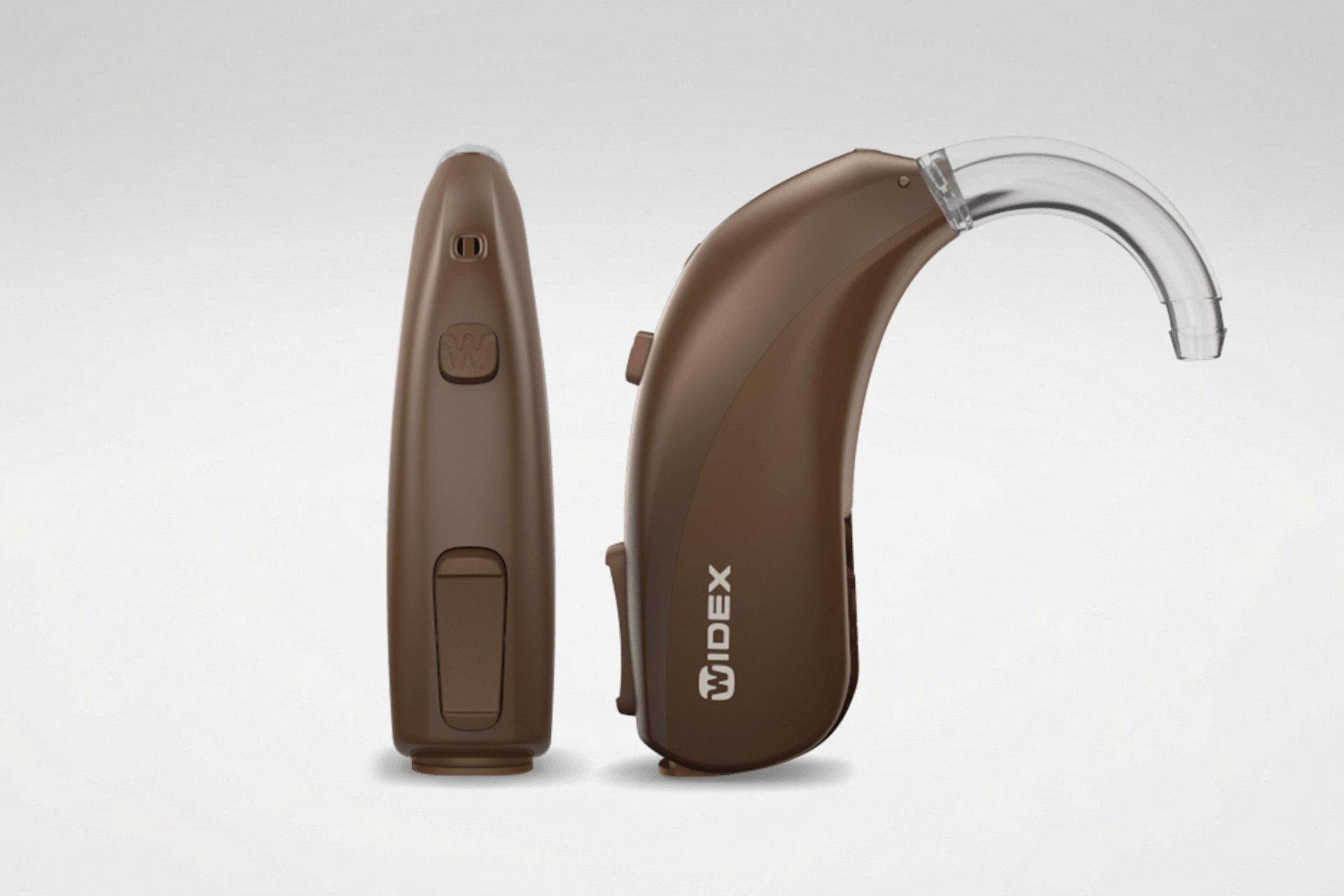
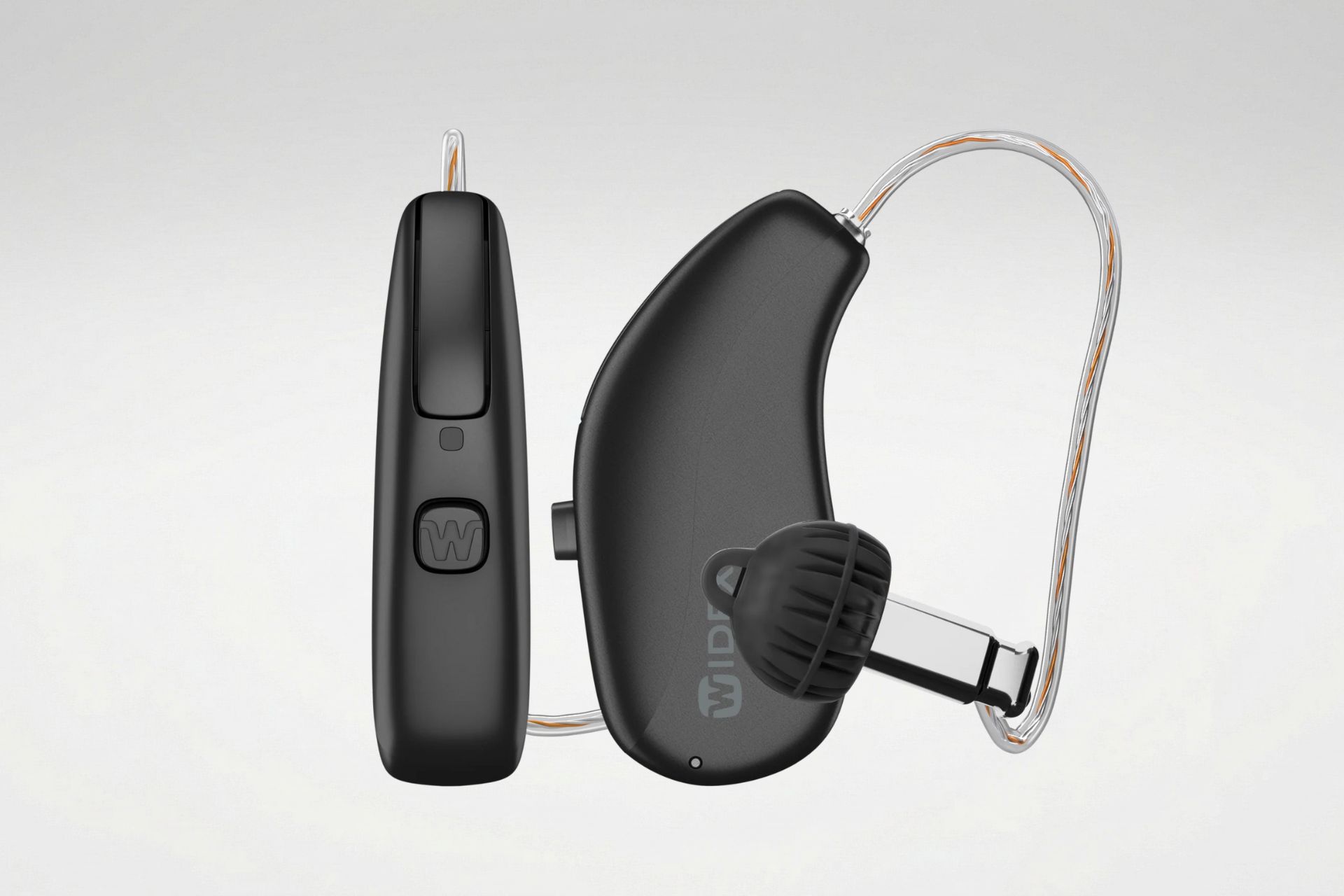
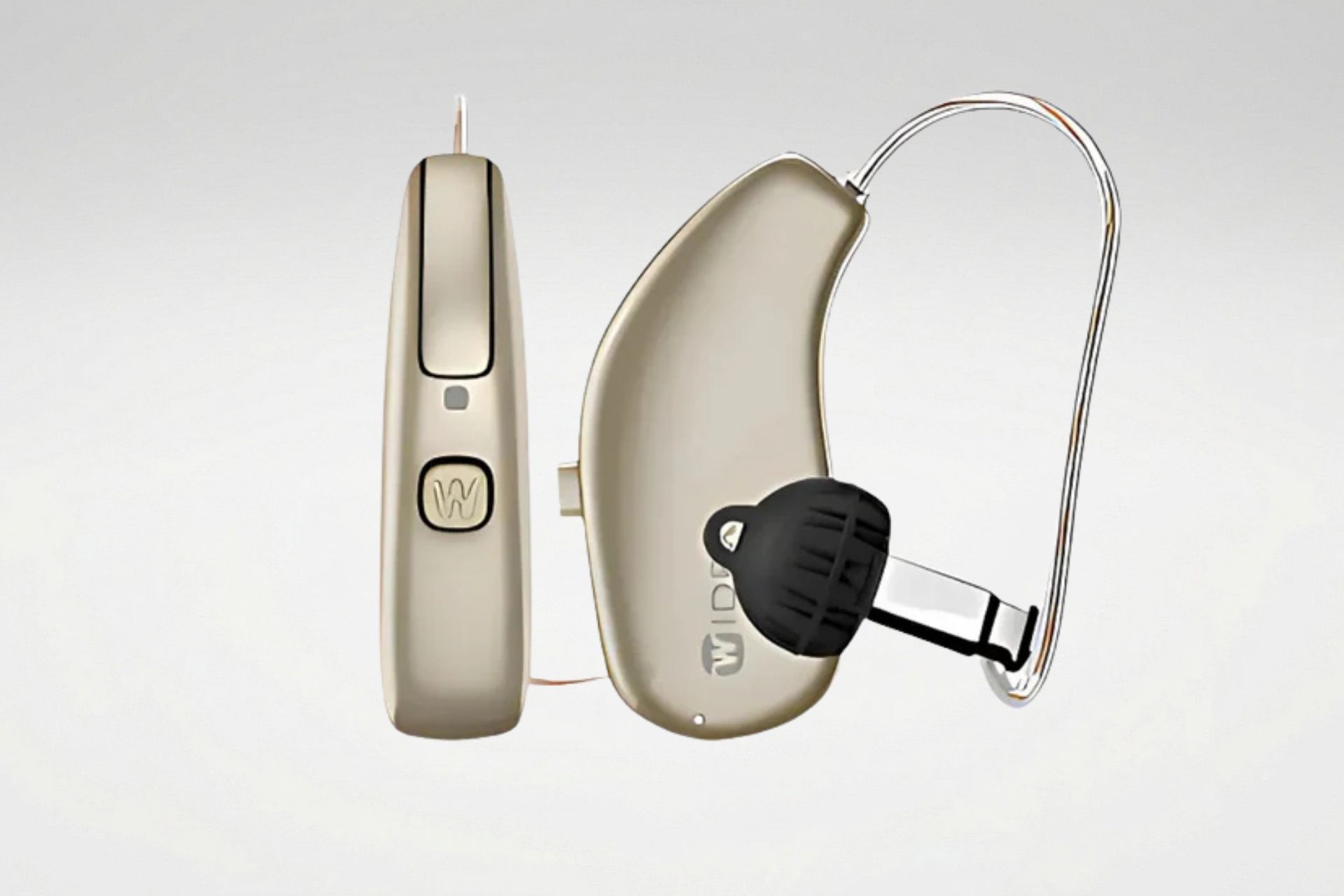
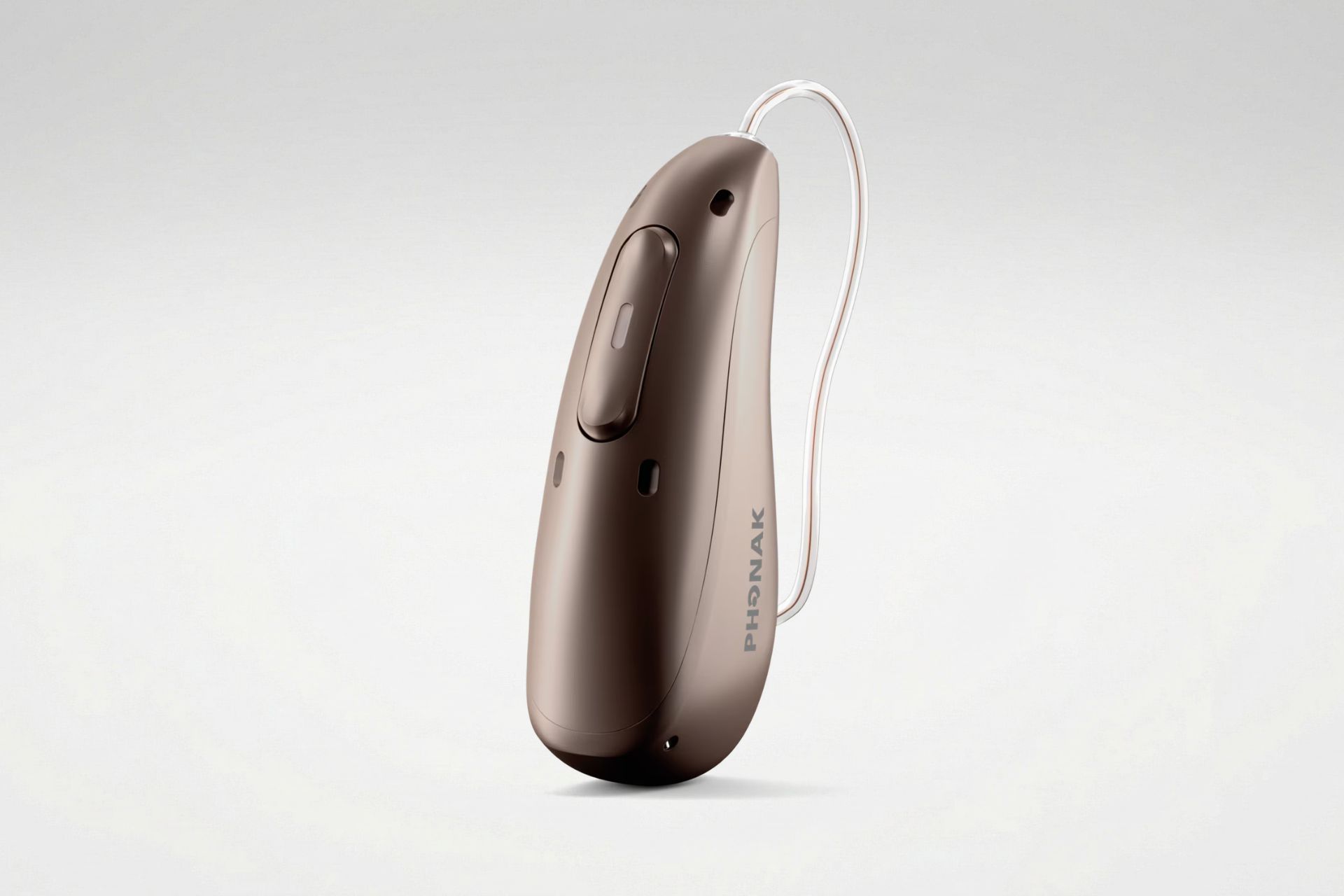
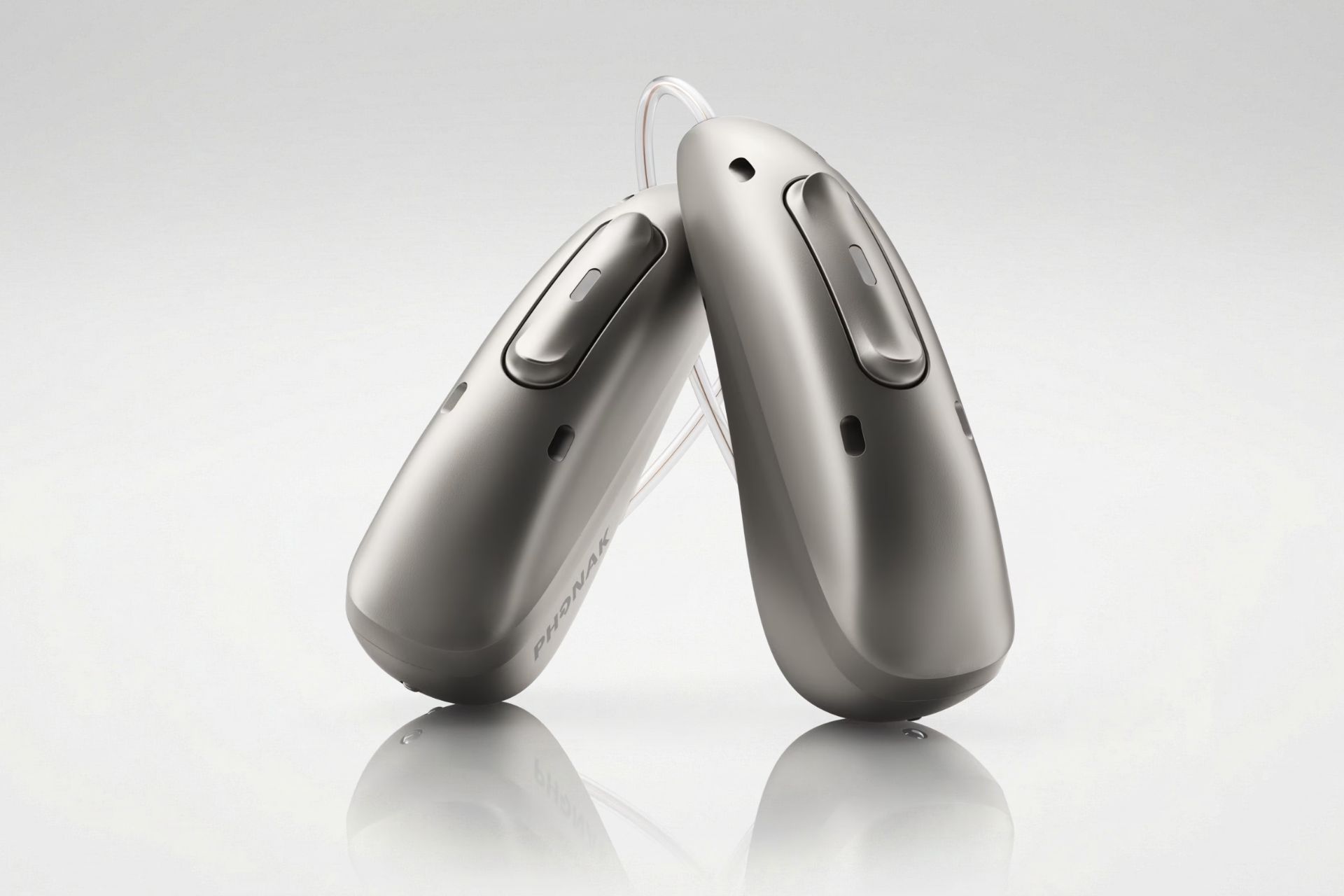
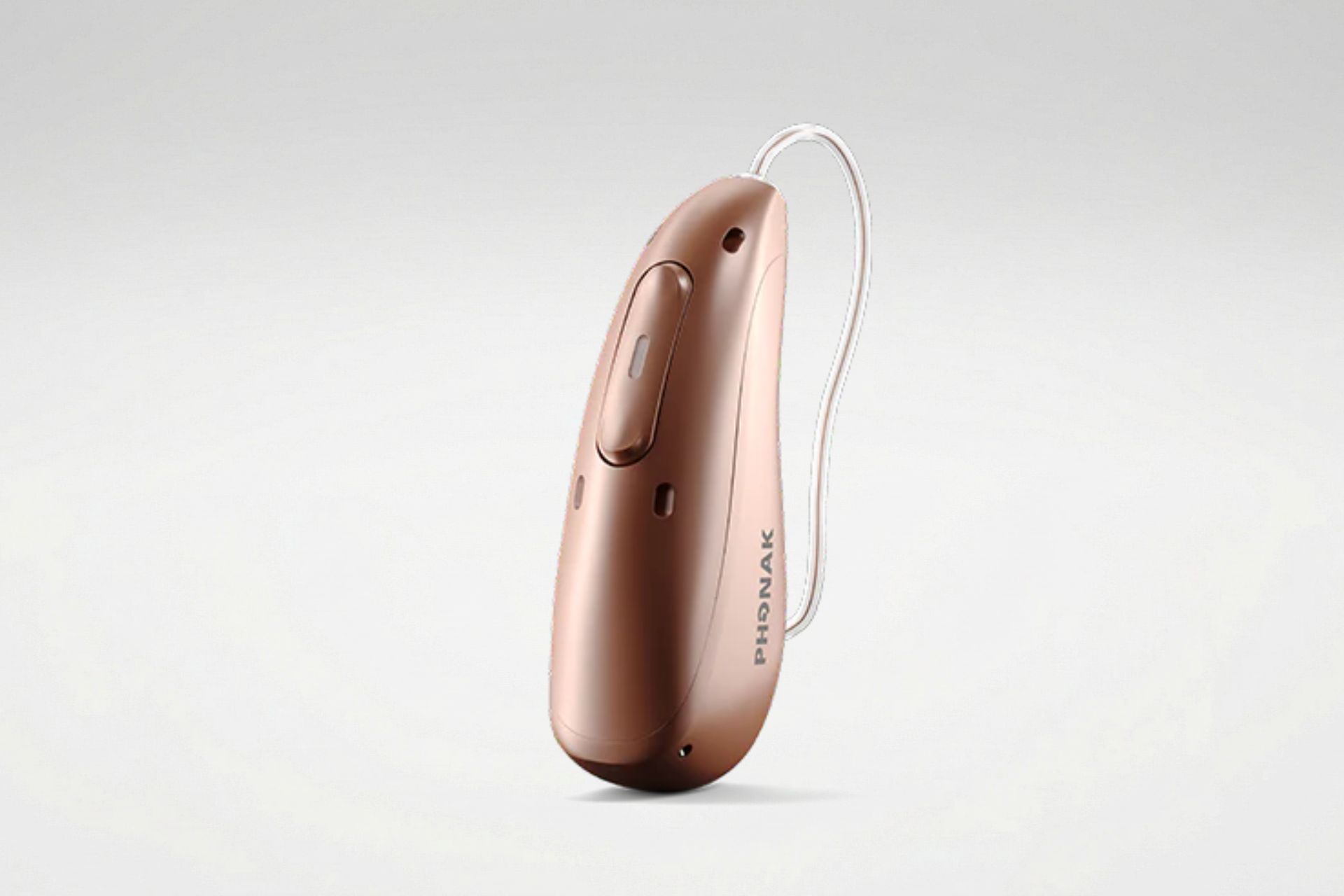
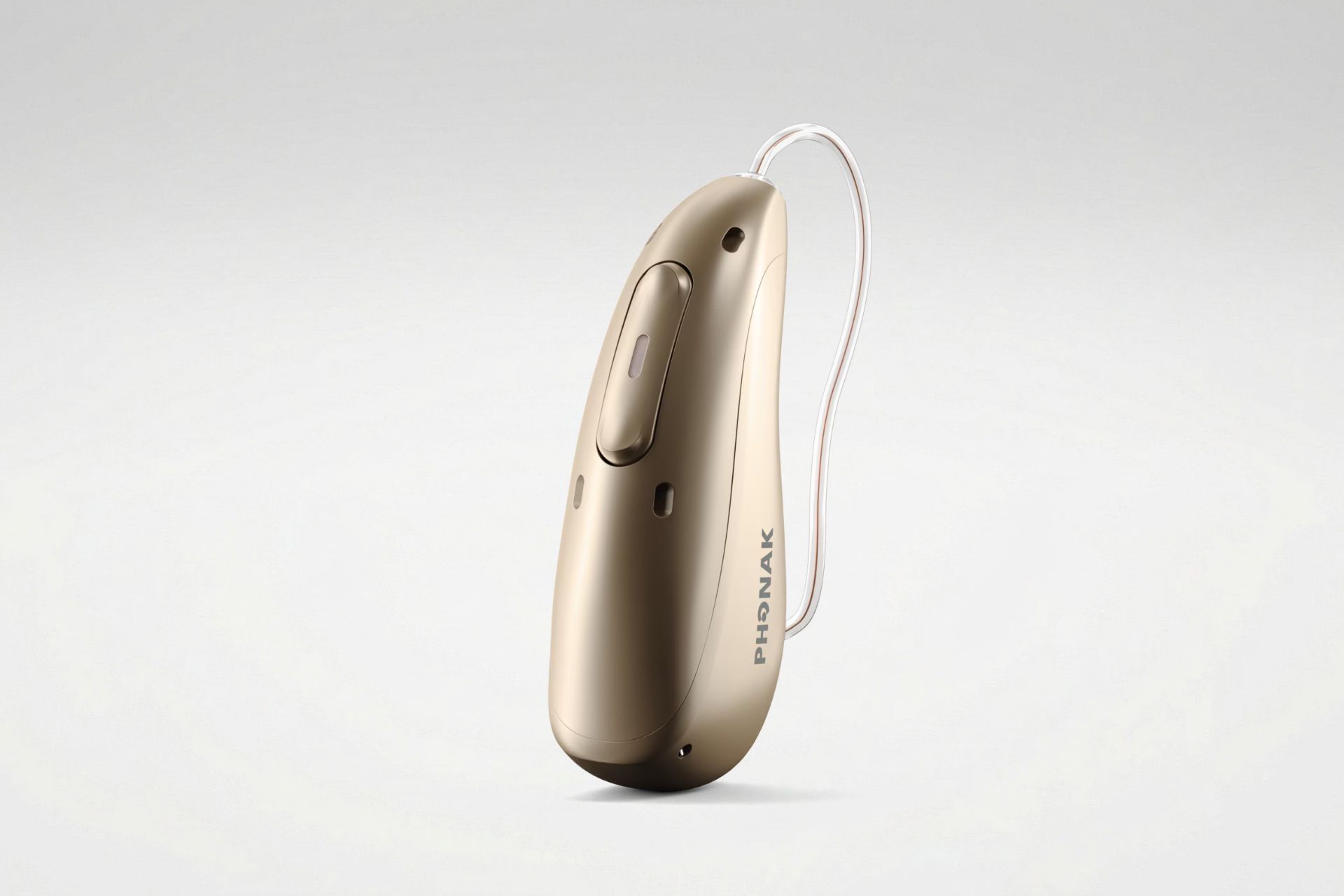
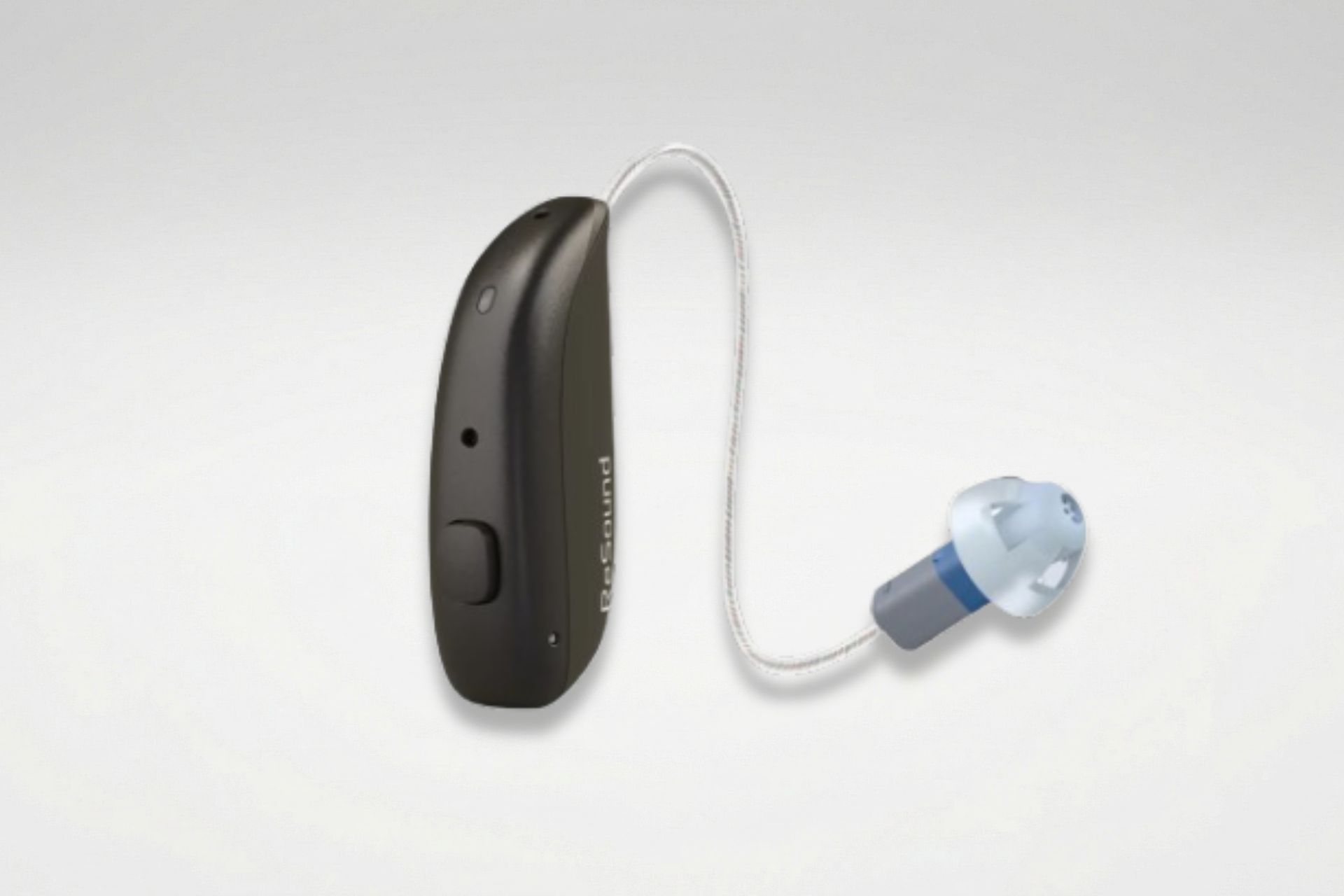
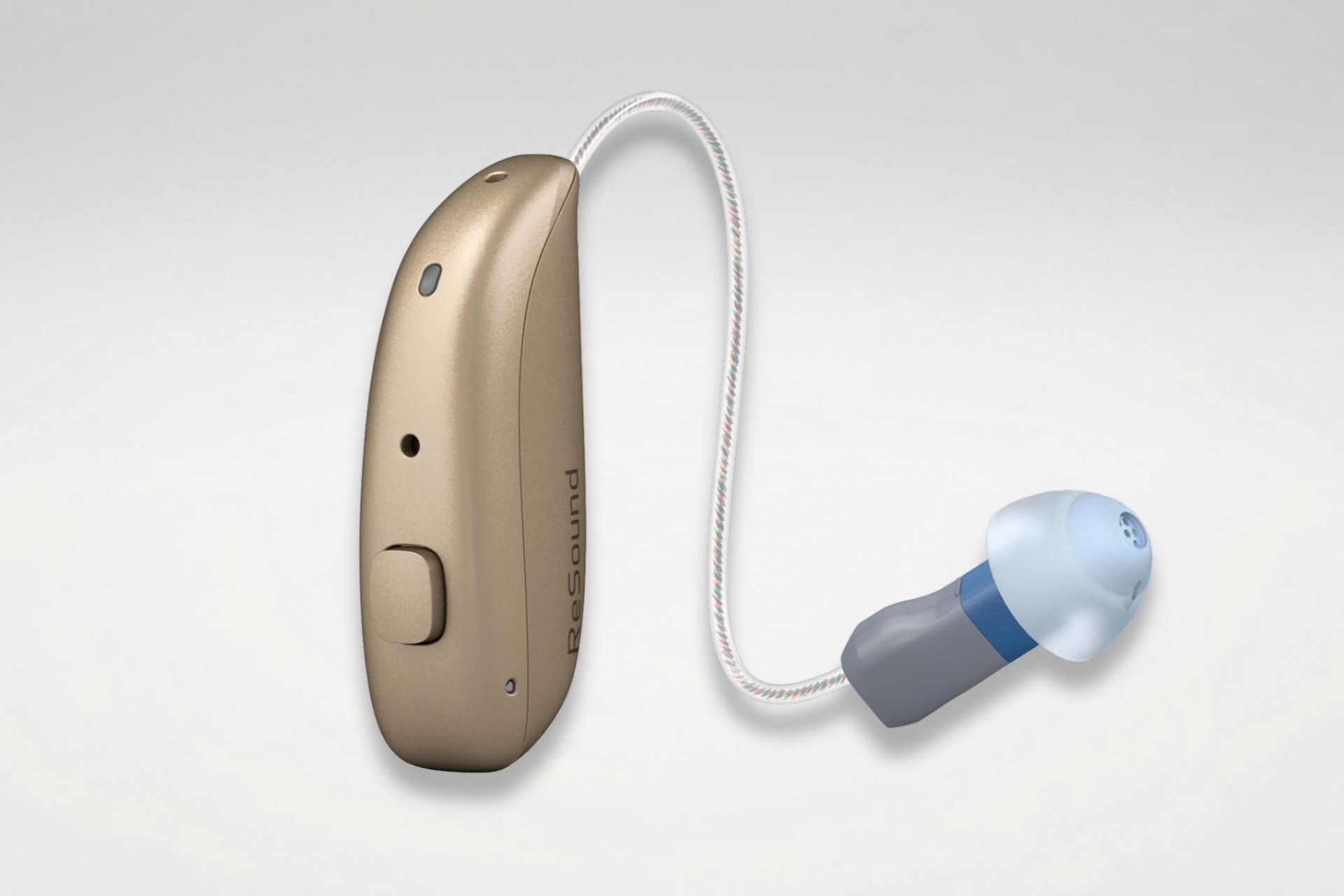
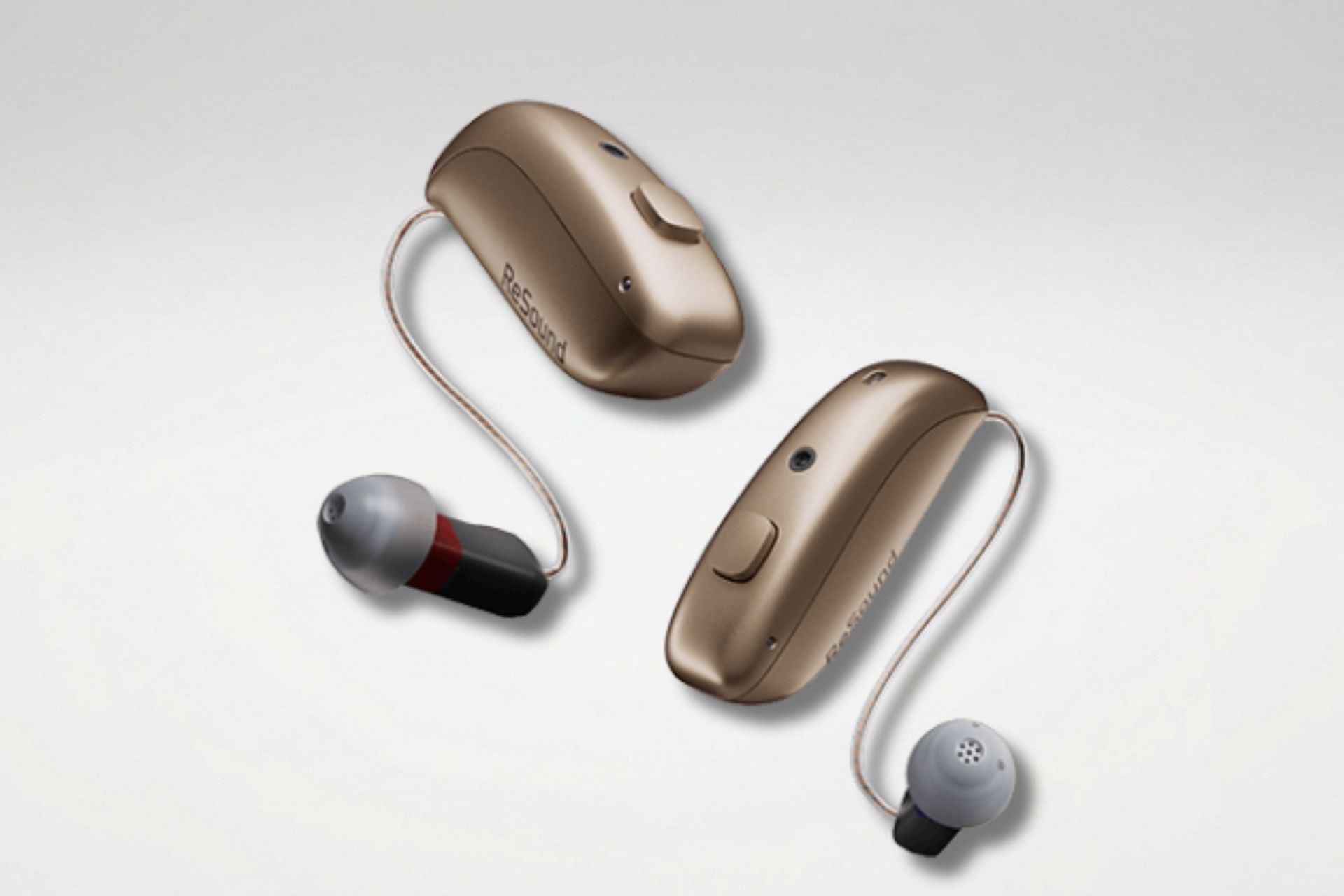
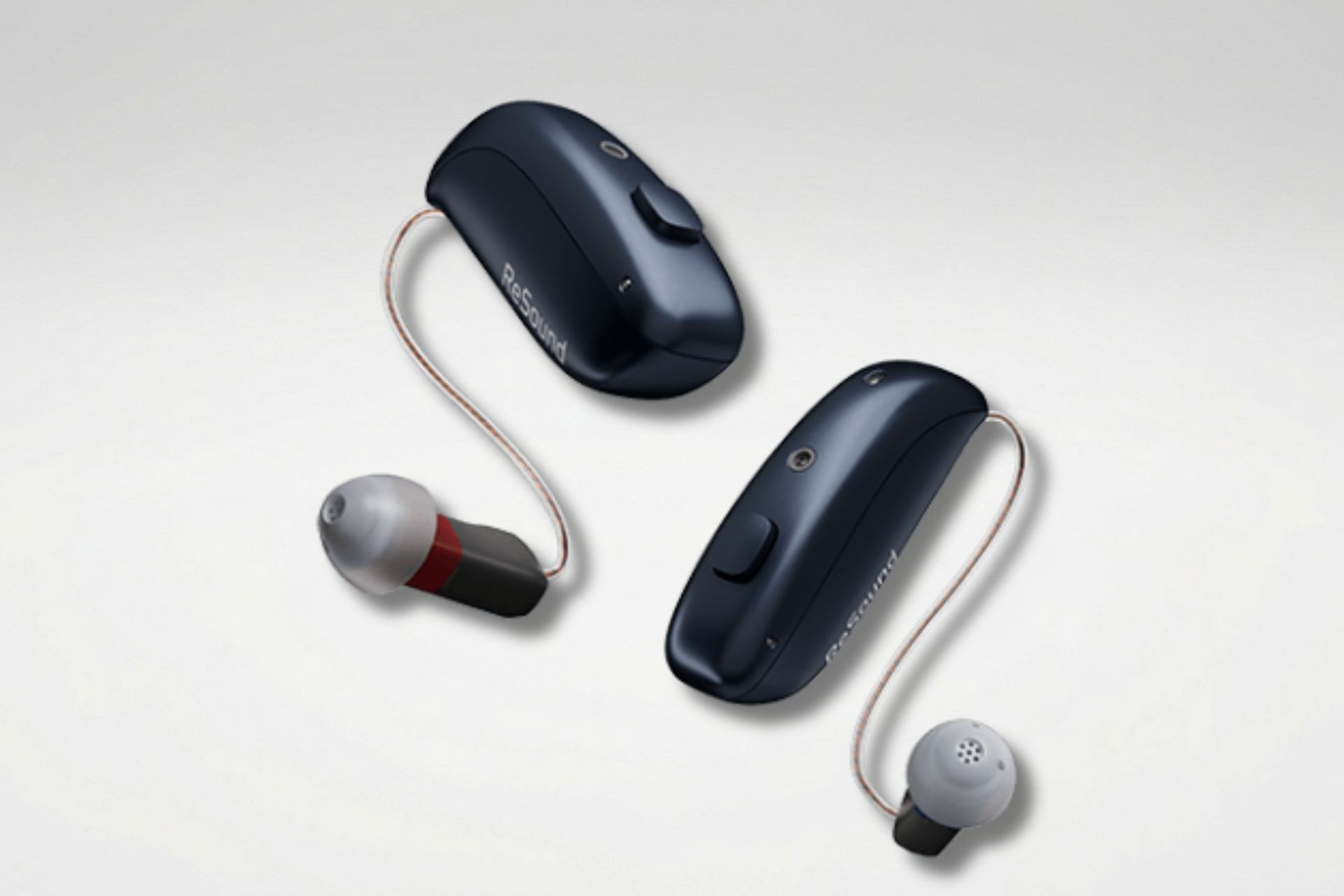
requirements and budget, you may explore advanced digital and AI-powered
hearing aids from leading manufacturers such as Signia, Widex, ReSound and
Phonak.
Features available on selected
models may include:
AI-powered
sound processing
Advanced hearing aids can use
sophisticated sound-processing technologies to help distinguish speech and
environmental sounds.
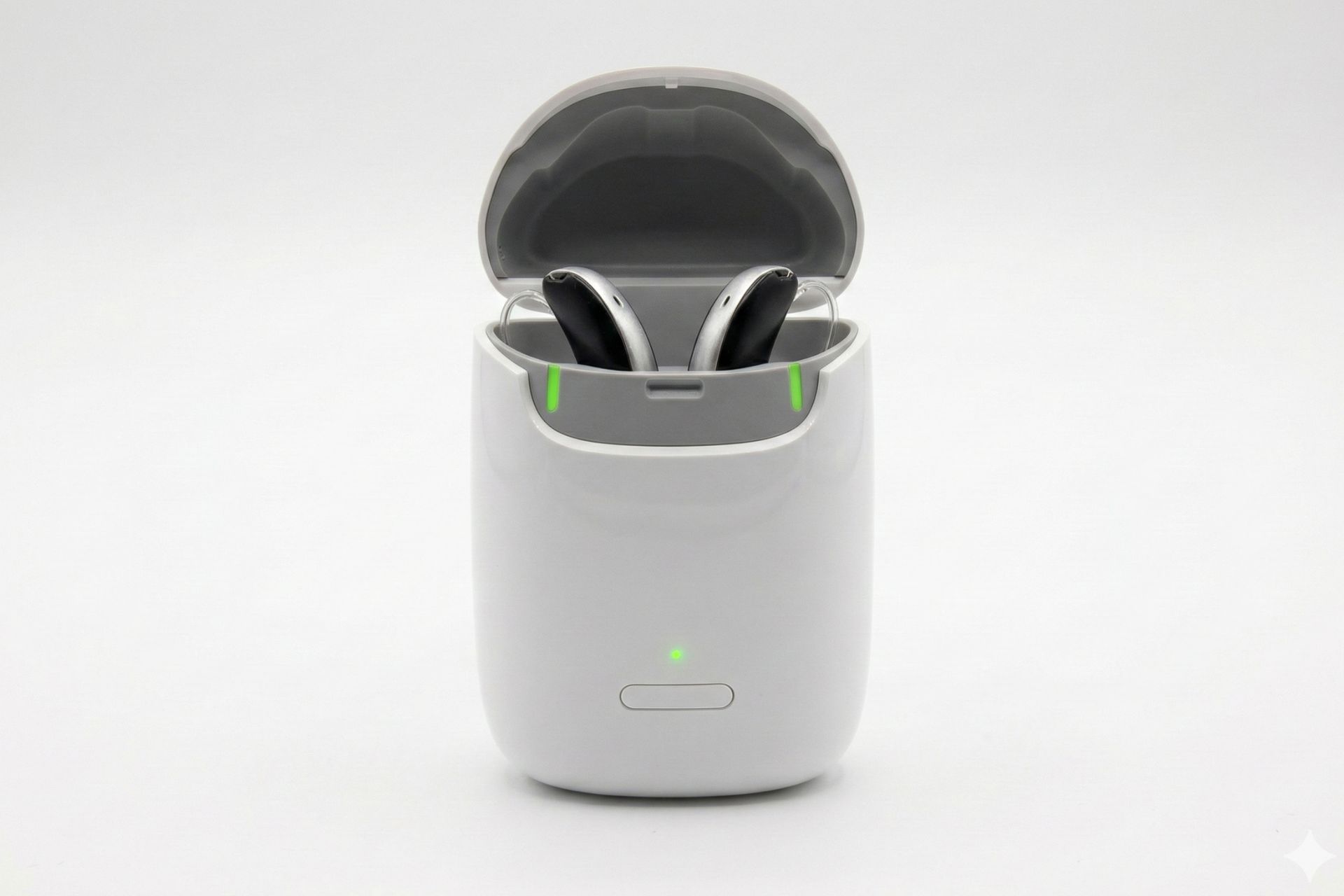
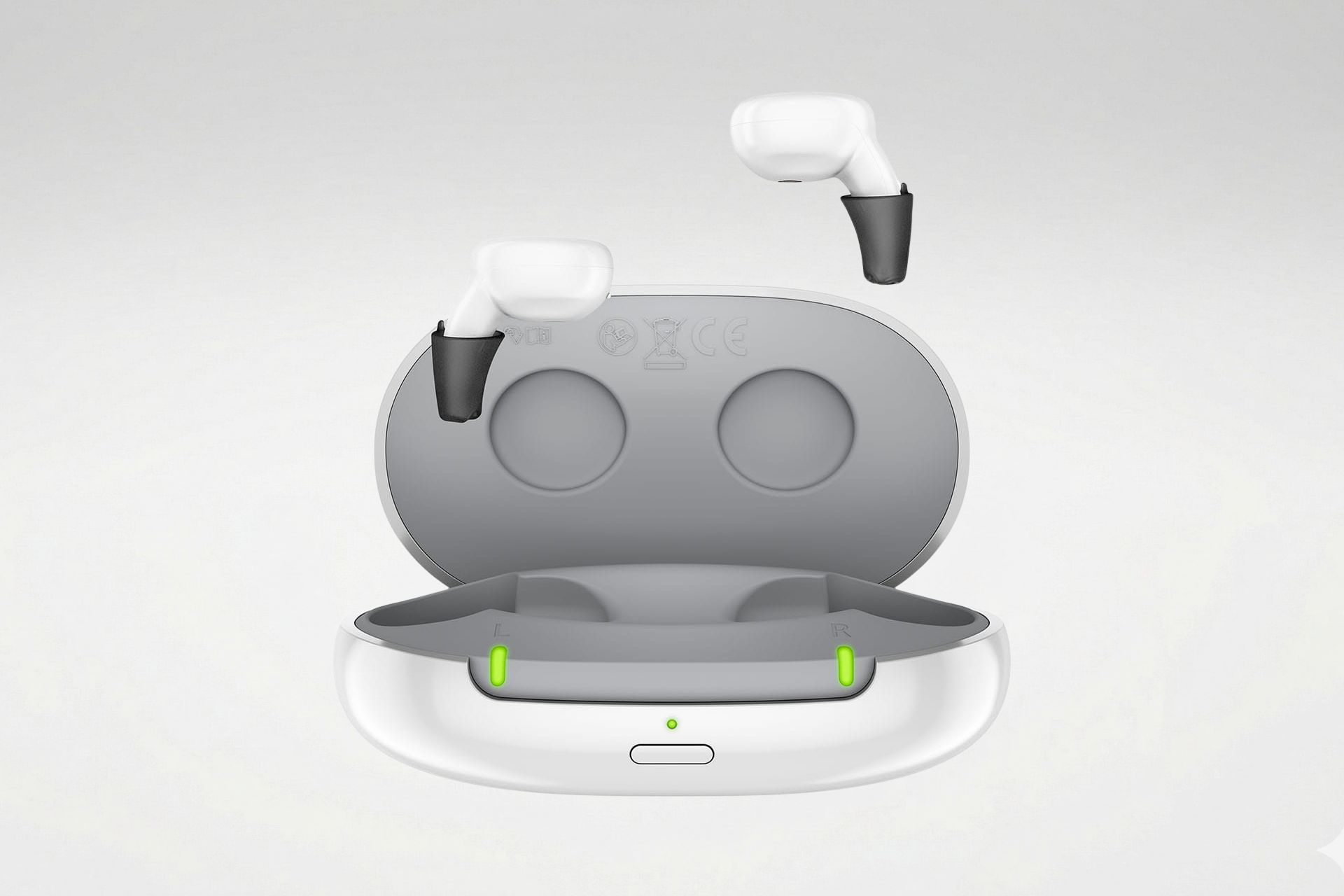
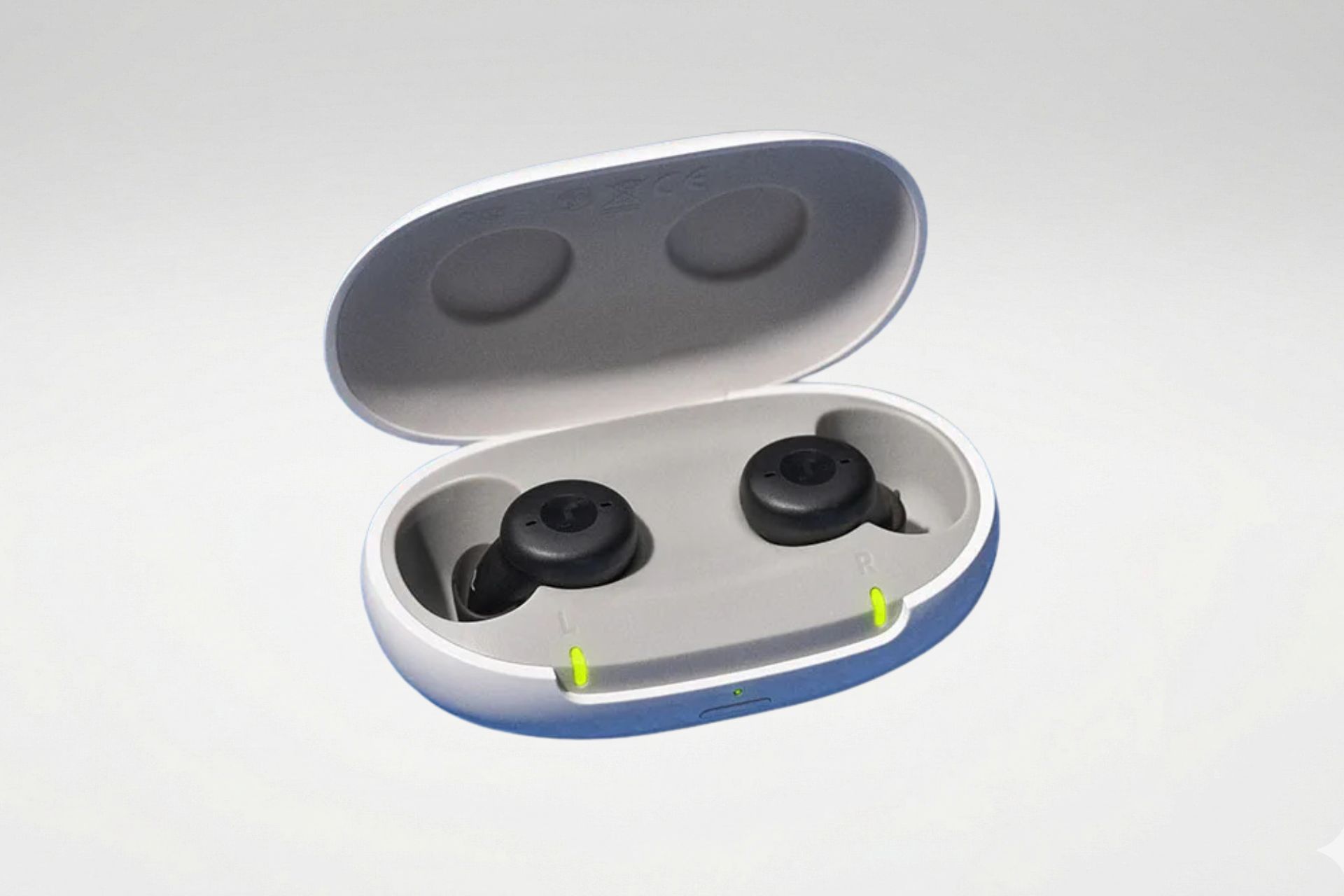
Rechargeable
operation
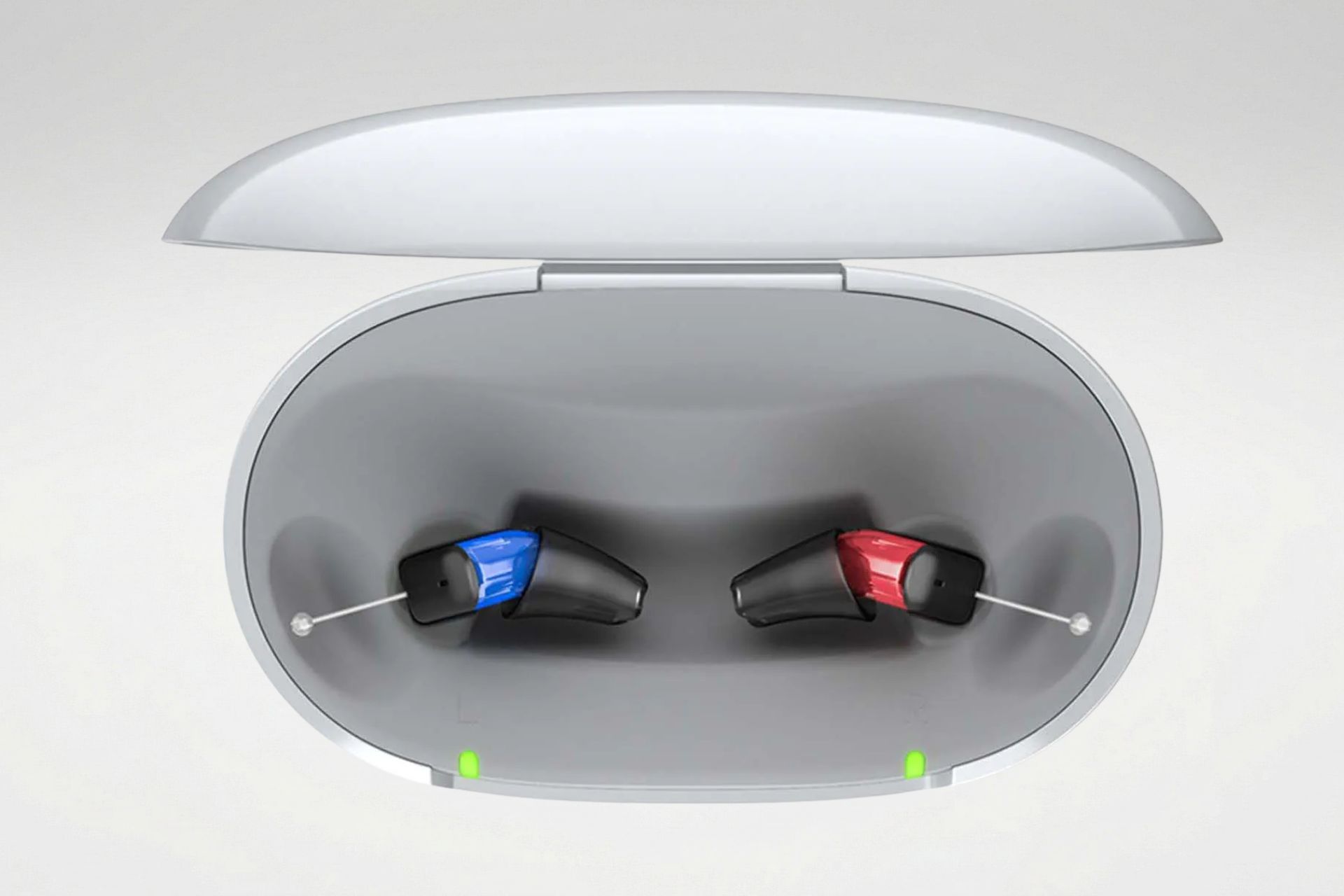
Rechargeable hearing aids can
eliminate the need to frequently replace disposable batteries.
Bluetooth
connectivity
Compatible hearing aids can connect
with smartphones and other devices for calls, music and audio streaming.
Noise
management
Advanced technology can help manage
background noise and improve listening comfort in challenging environments.
Discreet
designs
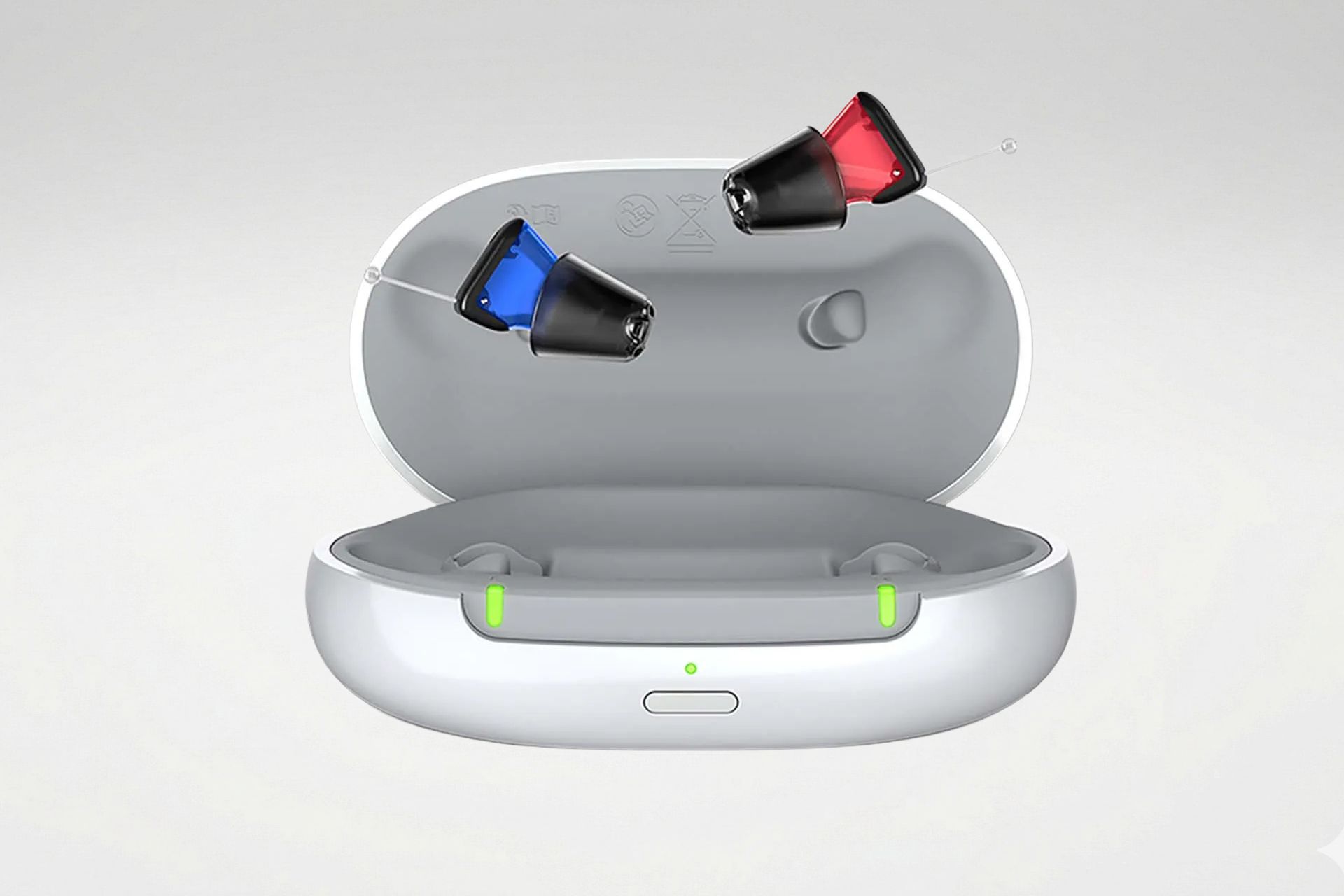
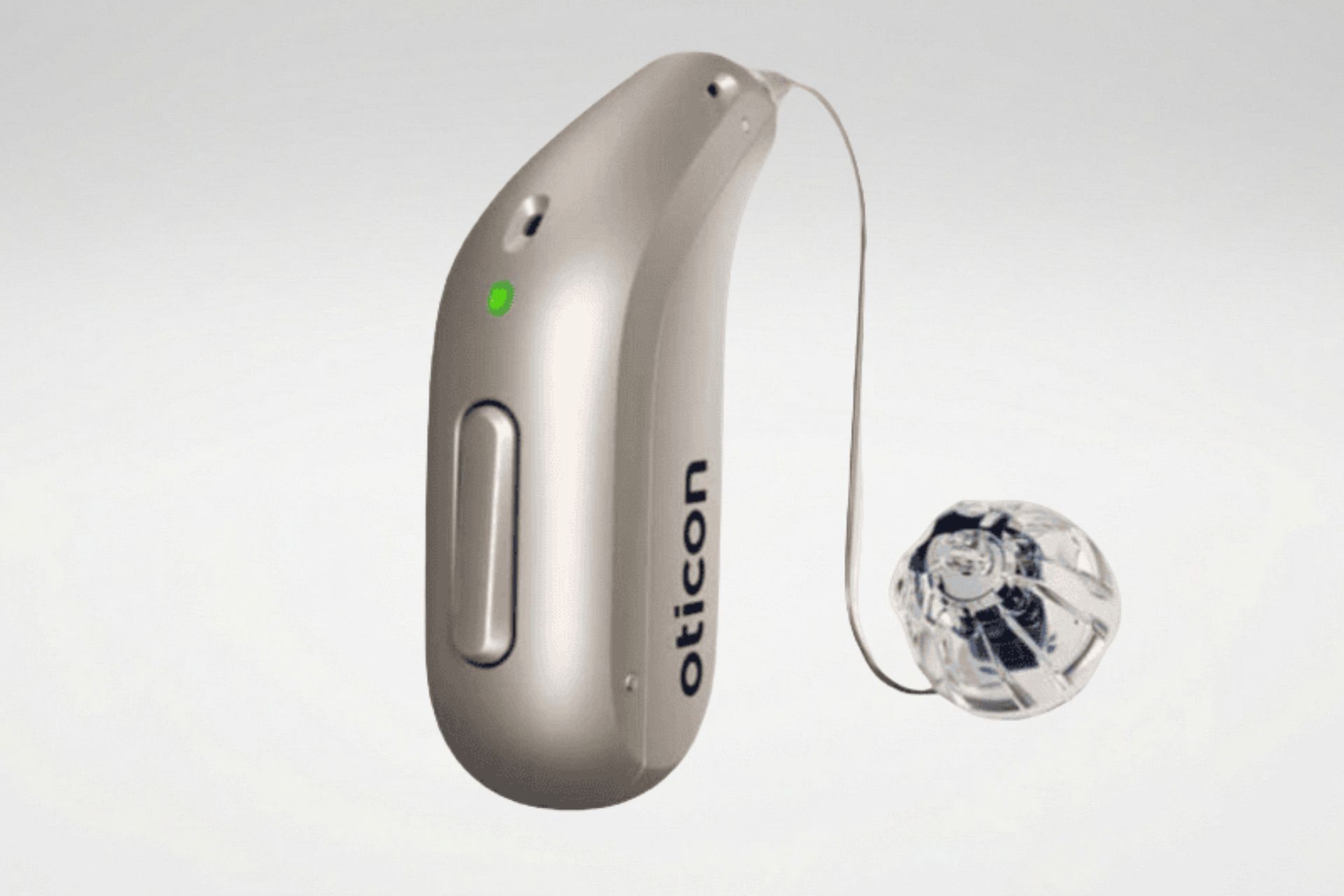
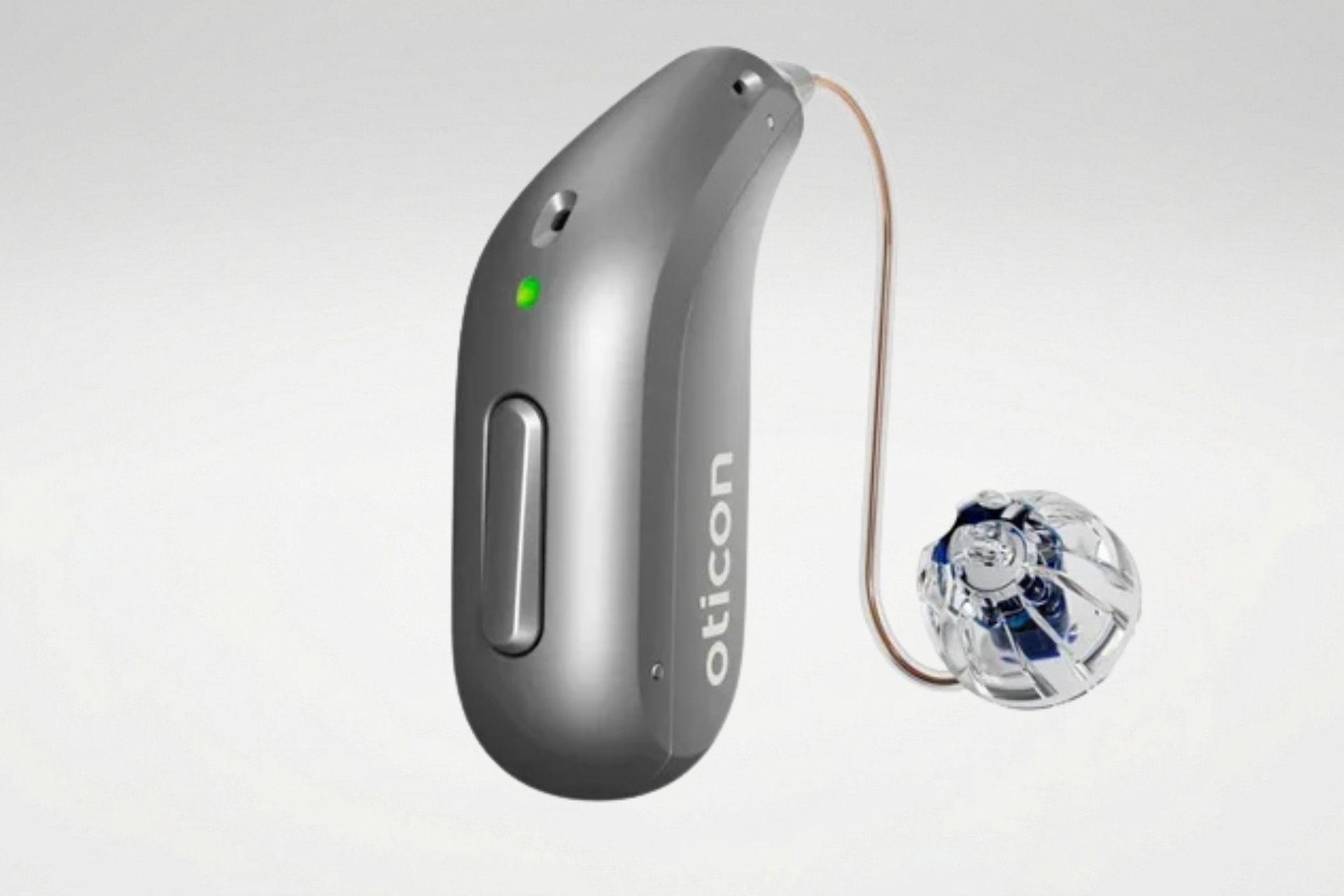
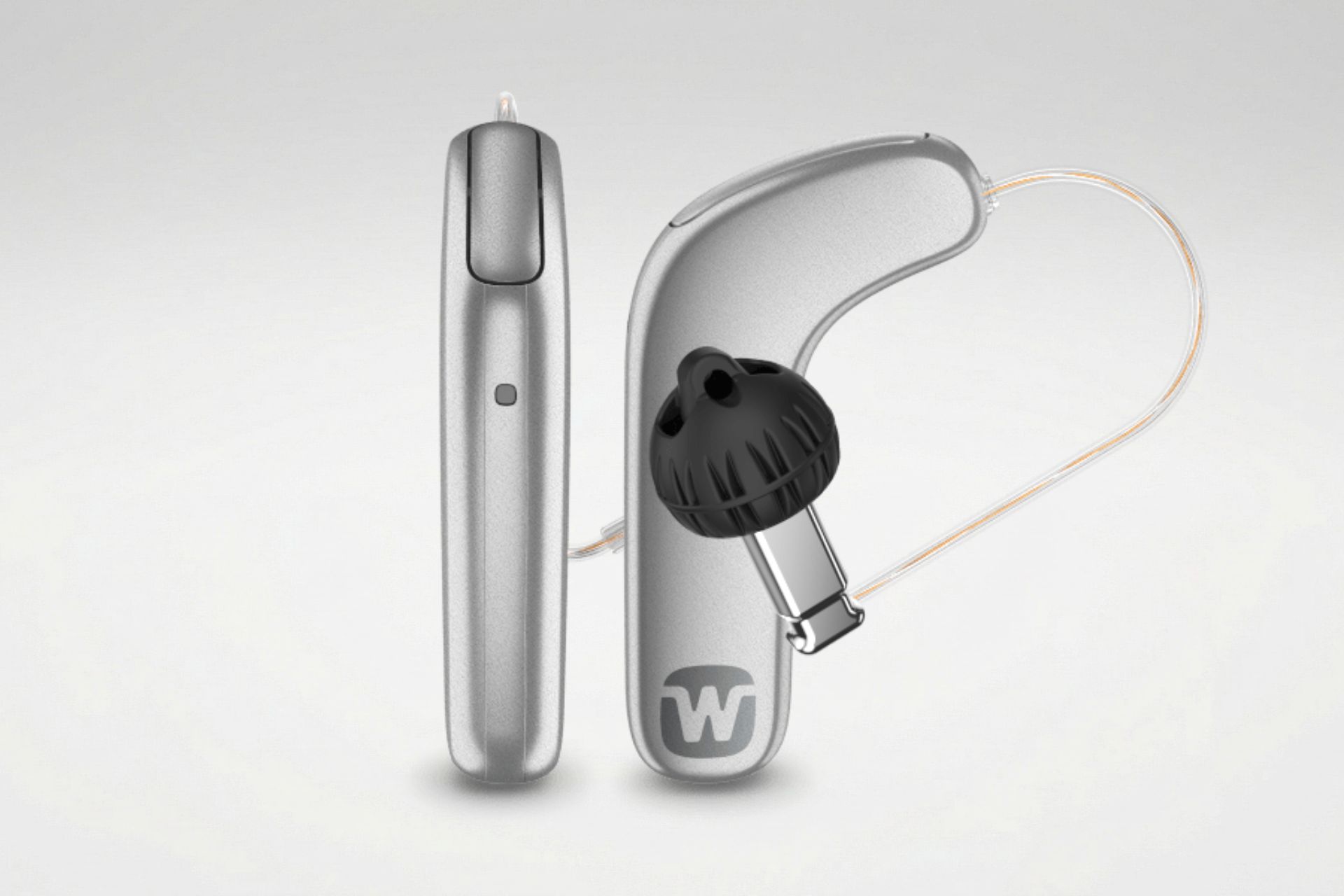
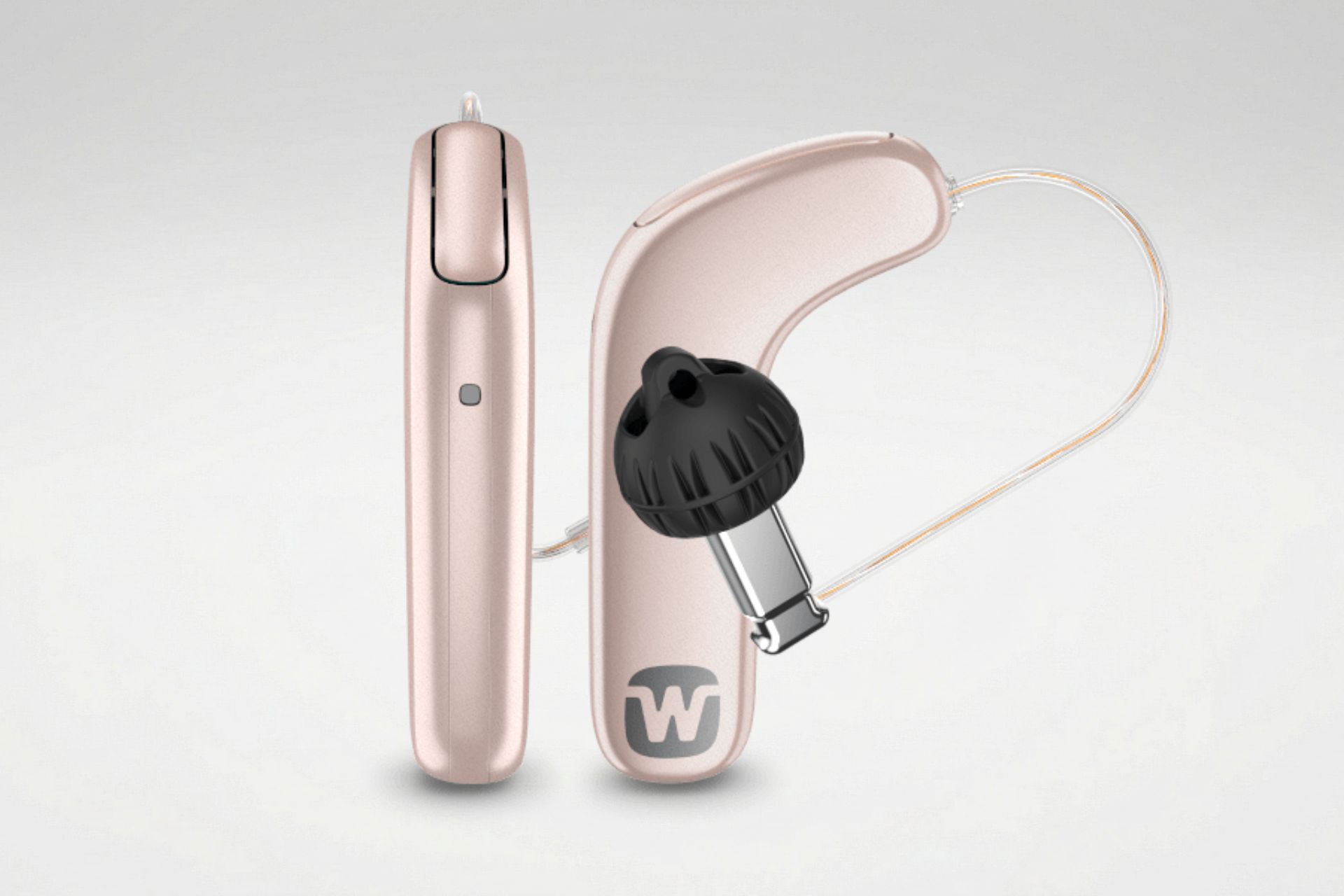
Modern hearing aids are available in
compact behind-the-ear and receiver-in-canal designs that can be subtle and
comfortable.
Important: Features vary by hearing-aid model and individual
suitability should be assessed by a hearing professional.
5. Experience a Personalized Hearing Aid Trial
This is one of the most important
stages.
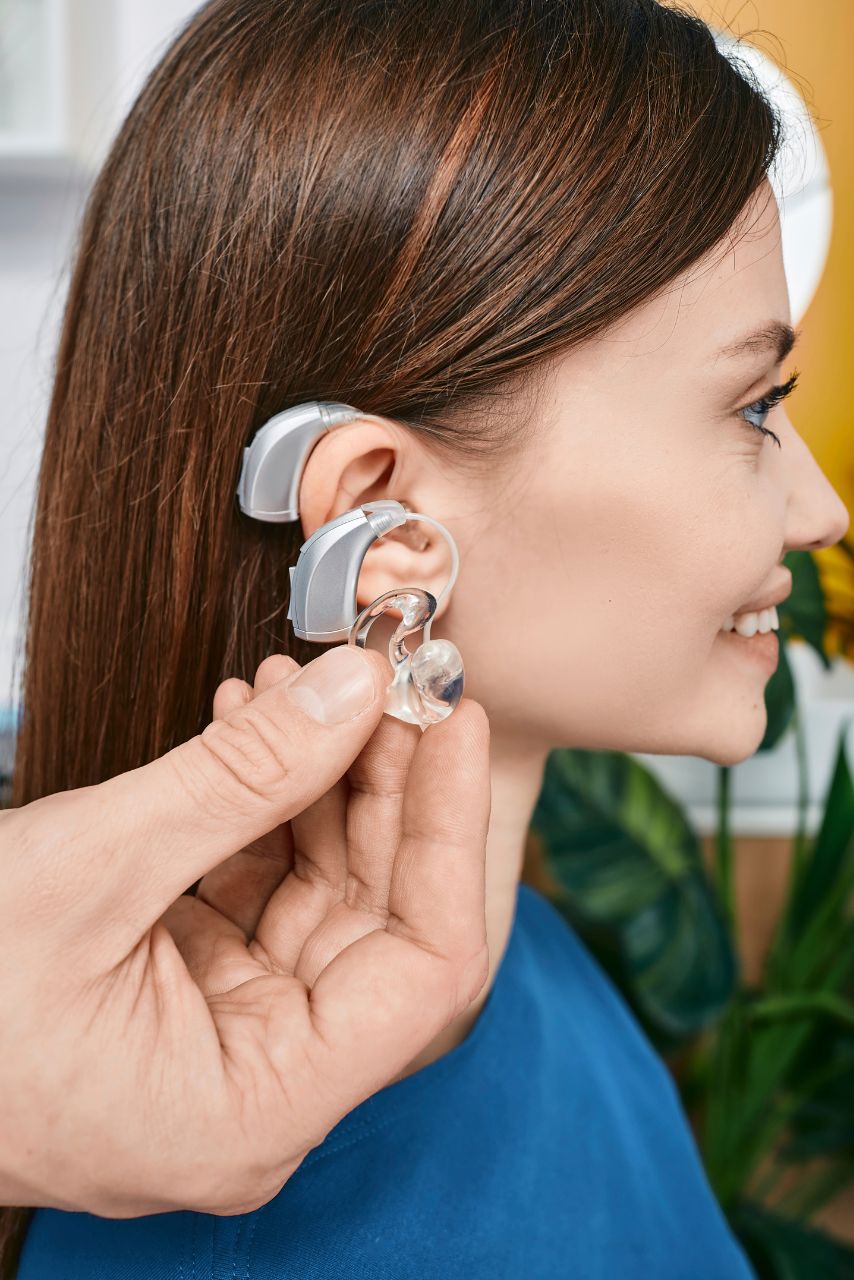
A hearing aid should not simply be
switched on and handed over. It needs to be appropriately fitted and programmed
based on your hearing profile.
During a personalized trial, you can
experience how the hearing aid performs while:
- Having a conversation
- Listening to family members
- Watching television
- Moving between quiet and noisy environments
- Using your smartphone
- Listening to different voices
This practical experience can help
you understand whether the hearing aid is comfortable and suitable for your
needs.