

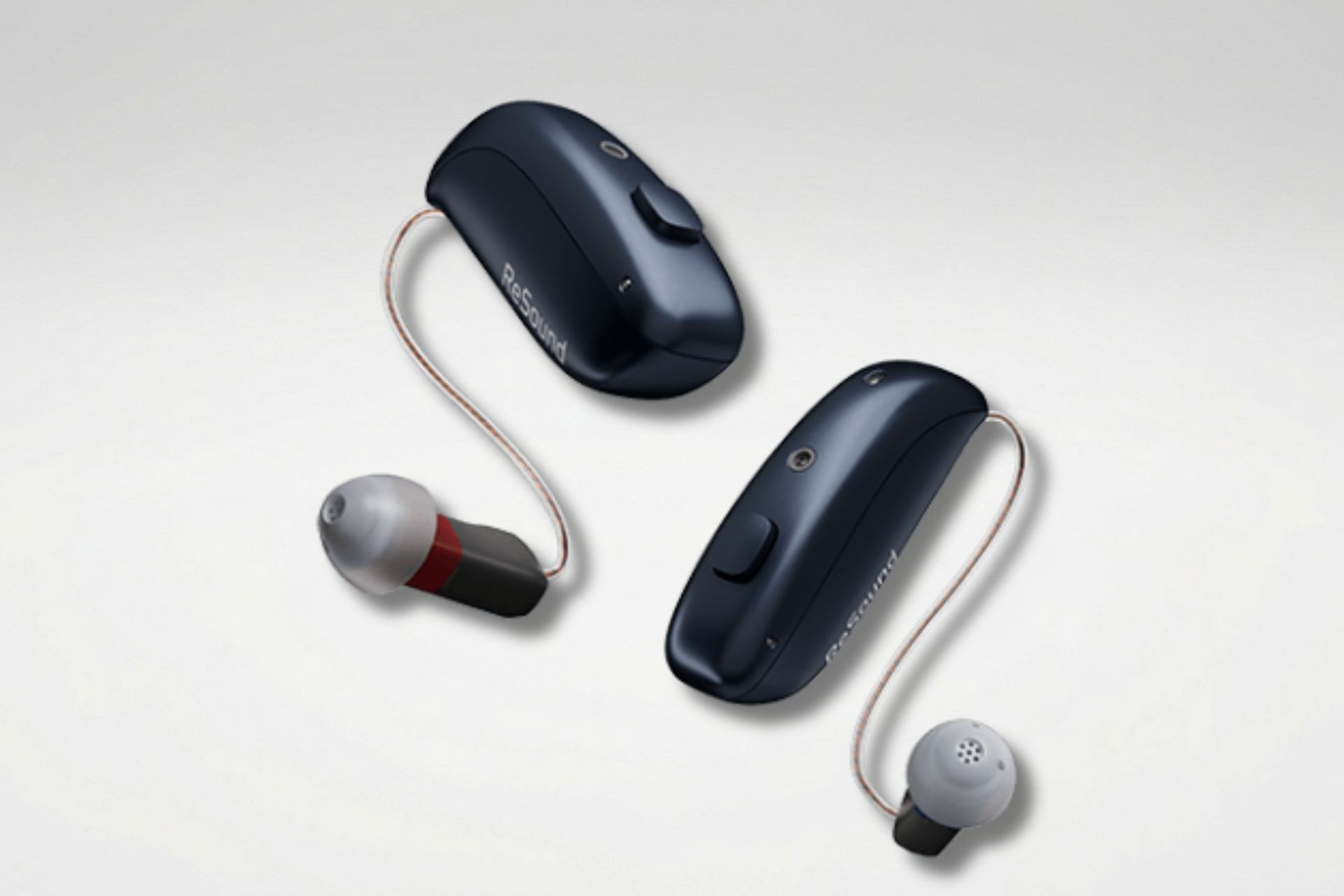
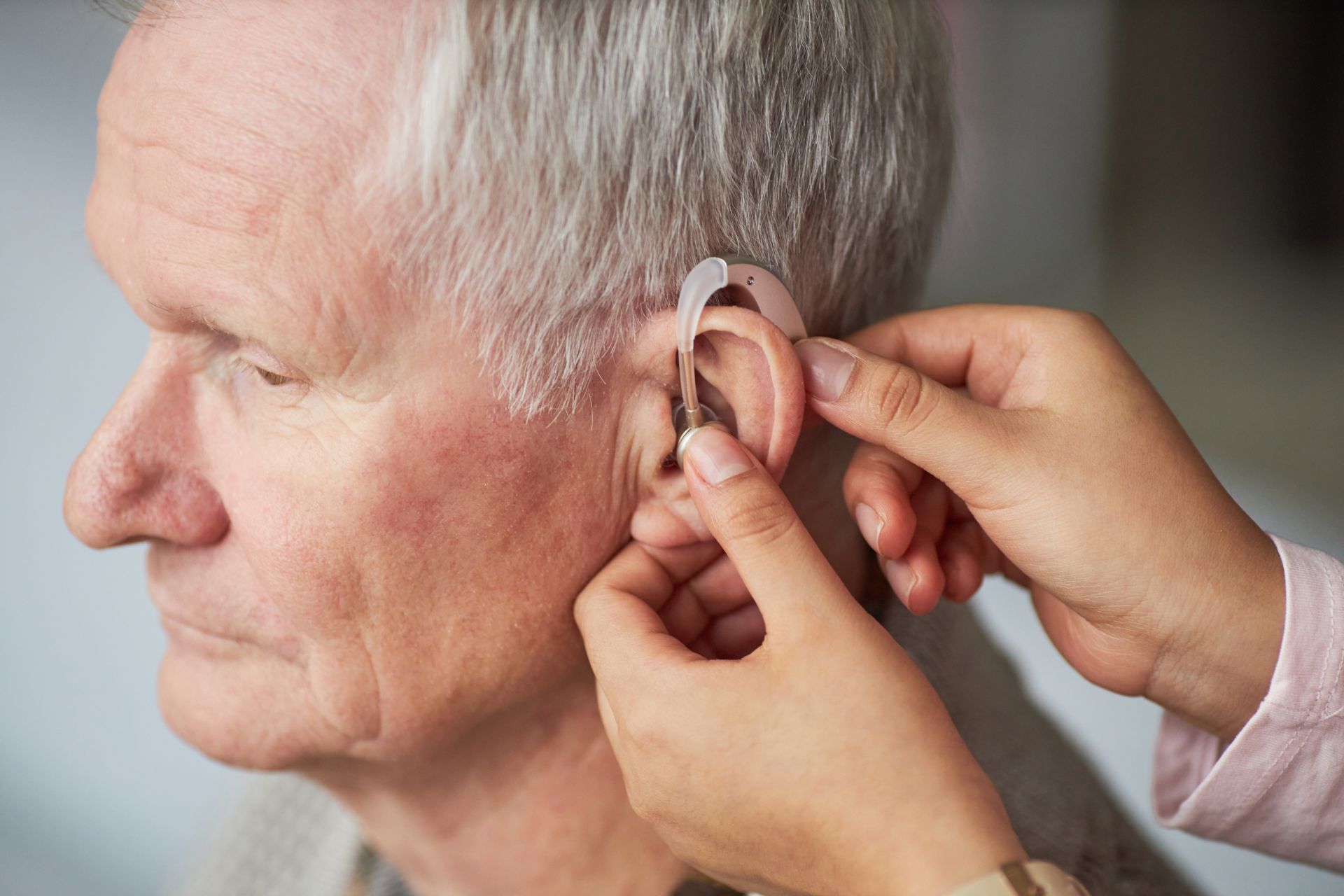
As parents age, hearing challenges often become a part of daily life. Many families notice the signs slowly — asking people to repeat themselves, increasing TV volume, or avoiding conversations altogether. Understanding elderly hearing loss and choosing the right hearing aids for elderly loved ones can significantly improve their quality of life, confidence, and social connections.
At Stilly Hearing Solutions, we understand the emotional and practical concerns caregivers face when supporting aging parents through hearing difficulties. This guide will help you recognize hearing loss symptoms, explore suitable hearing aid options, and support your parents through the adjustment process.
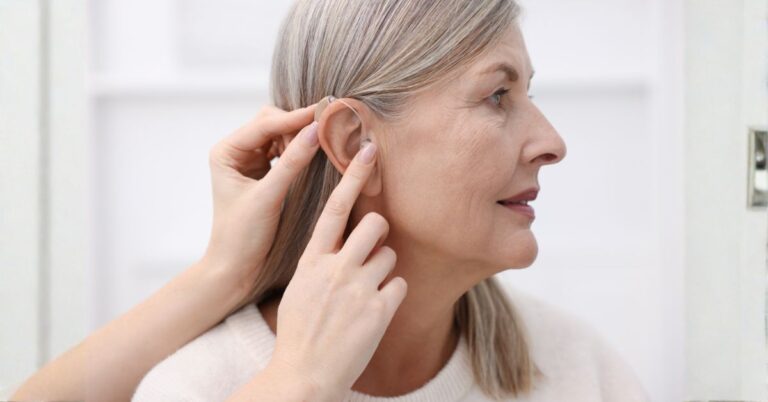
Understanding Elderly Hearing Loss
Elderly hearing loss, also known as presbycusis, is a common age-related condition that affects millions of seniors worldwide. It usually develops gradually and may impact one or both ears.
Common Signs of Hearing Loss in Seniors
- Difficulty understanding conversations, especially in noisy environments
- Frequently asking others to repeat themselves
- Increasing TV or phone volume excessively
- Trouble hearing high-pitched sounds
- Avoiding social gatherings or conversations
- Complaints that people are “mumbling”
Untreated hearing loss can lead to emotional stress, isolation, memory issues, and reduced confidence. Early intervention is important for maintaining mental and emotional well-being.
Why AI Aids Are Important for Elderly Parents
Benefits of Hearing Aids for Seniors
-
Improved communication with family and friends
-
Better participation in social activities
-
Enhanced safety and awareness of surroundings
-
Reduced feelings of loneliness and frustration
-
Improved confidence and independence
Many seniors experience a noticeable improvement in their lifestyle once they begin using properly fitted hearing aids.
Choosing the Right AI Hearing Aids for Elderly Parents
- Larger controls
- Simple settings
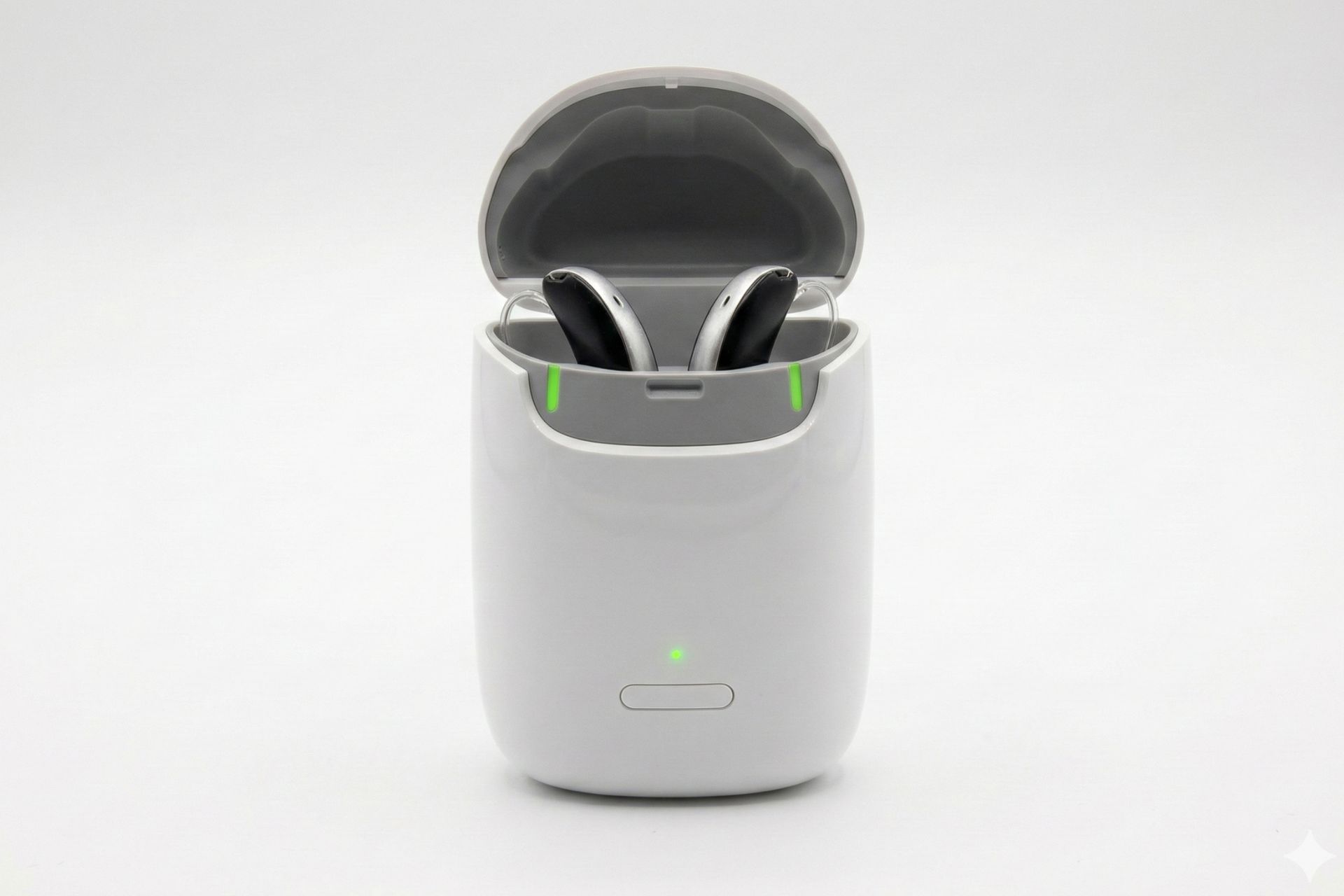
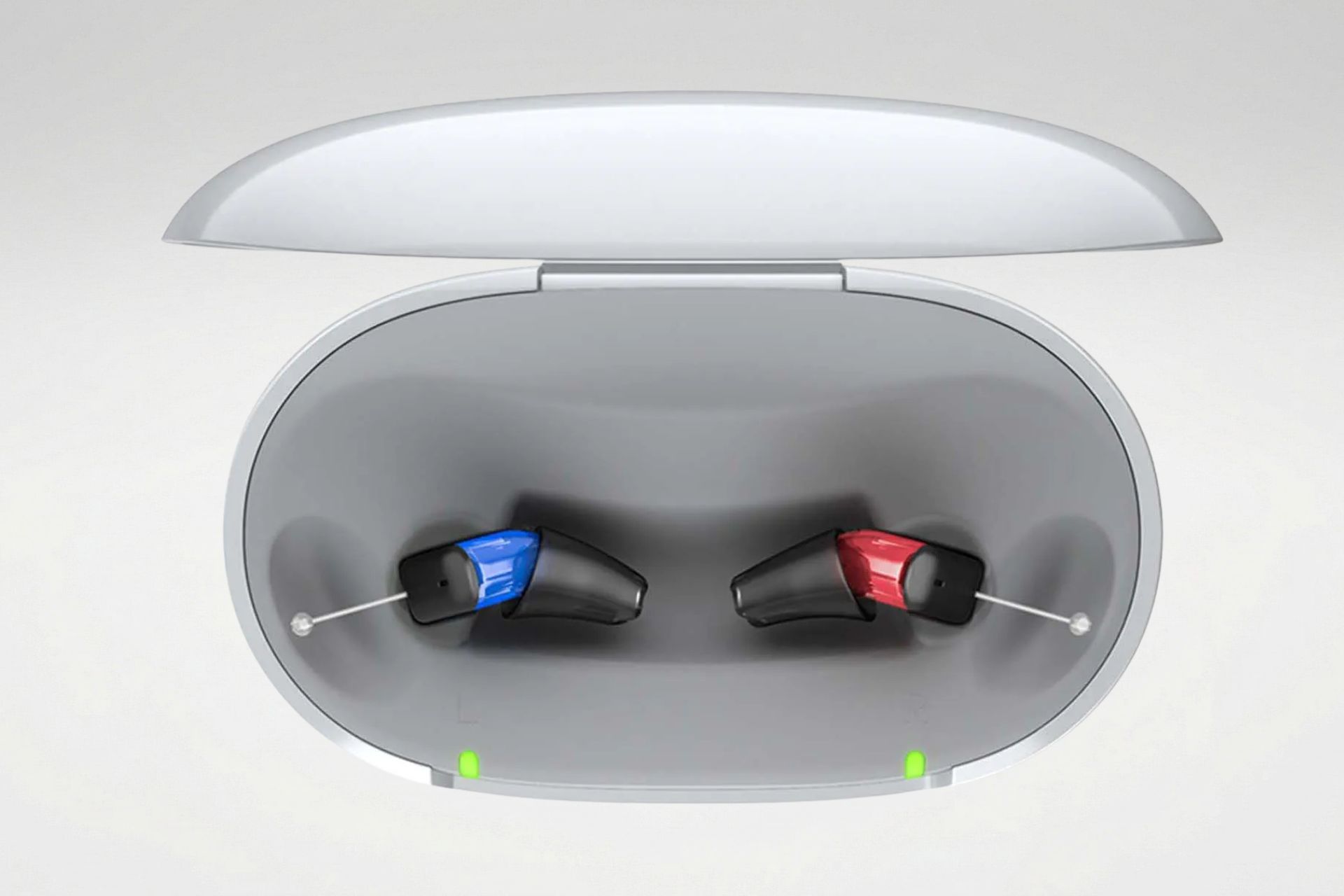
- Easy battery charging systems
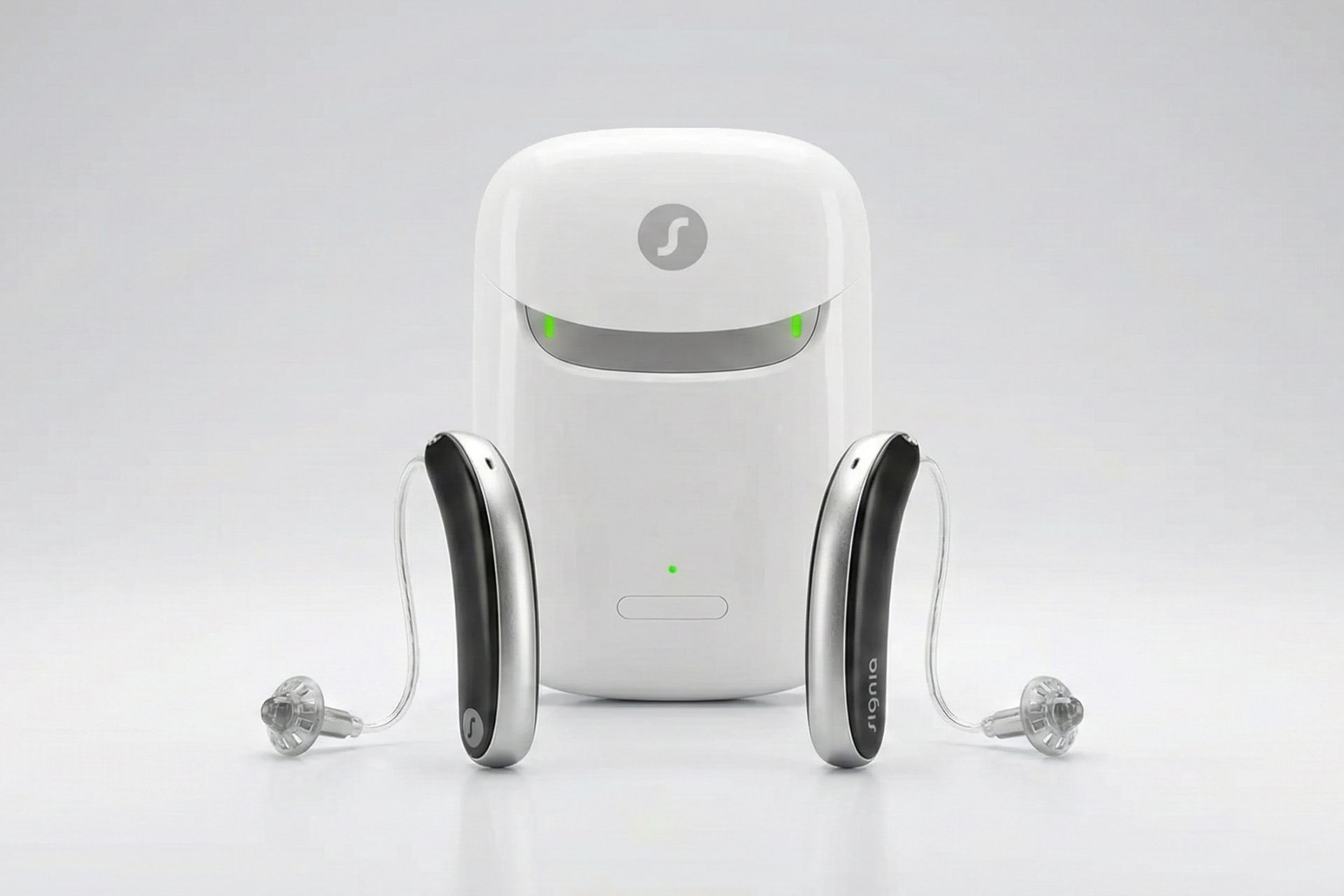
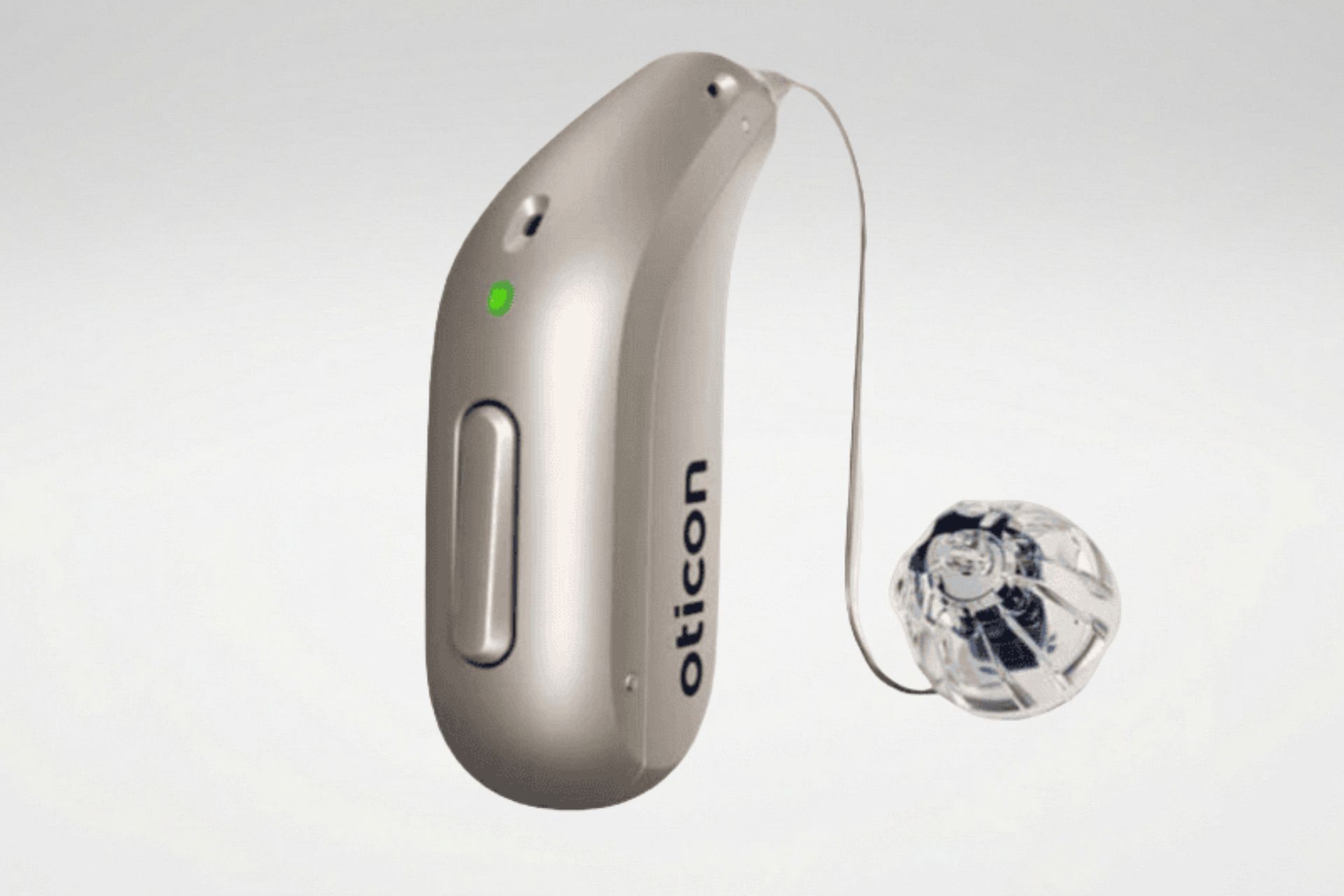
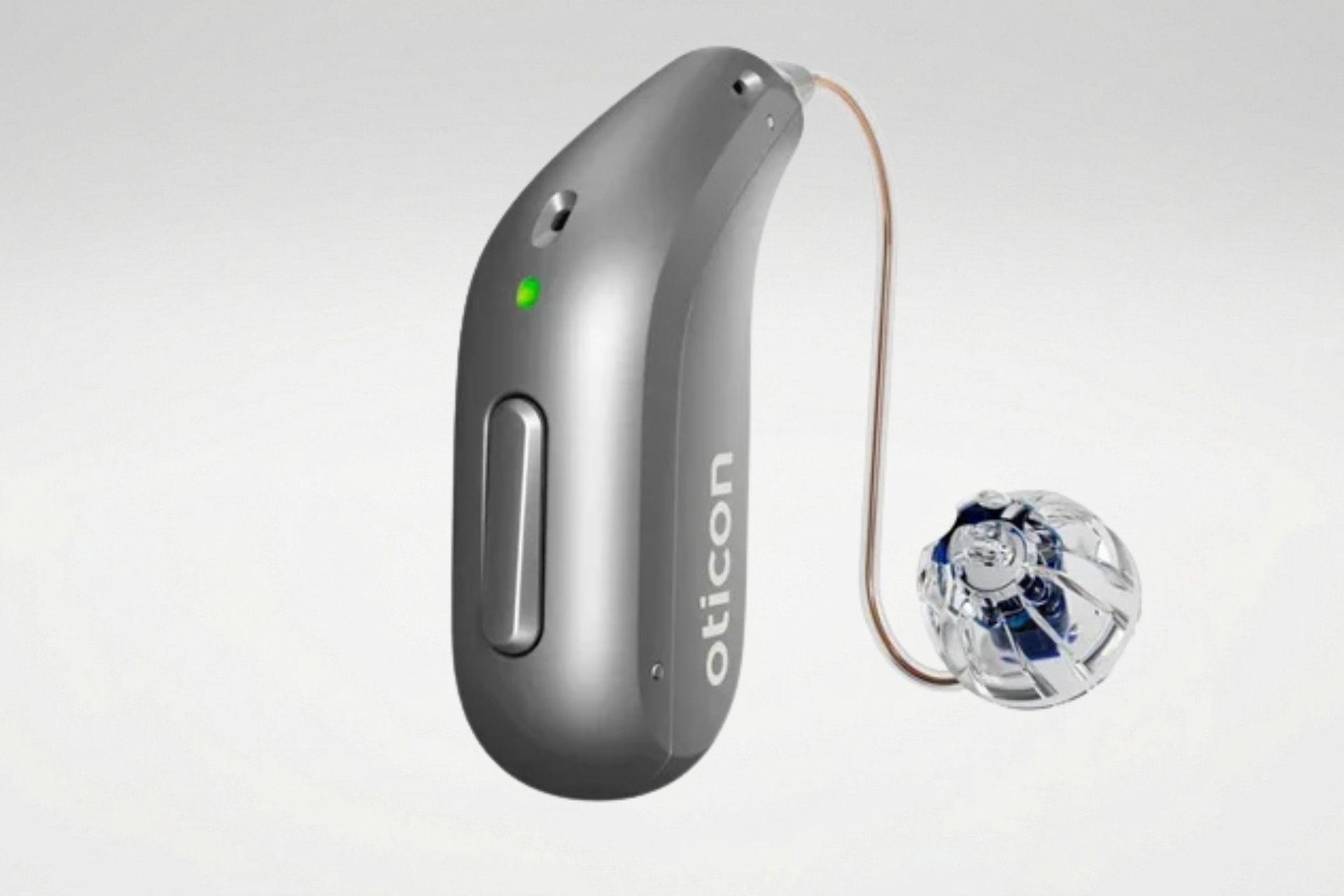
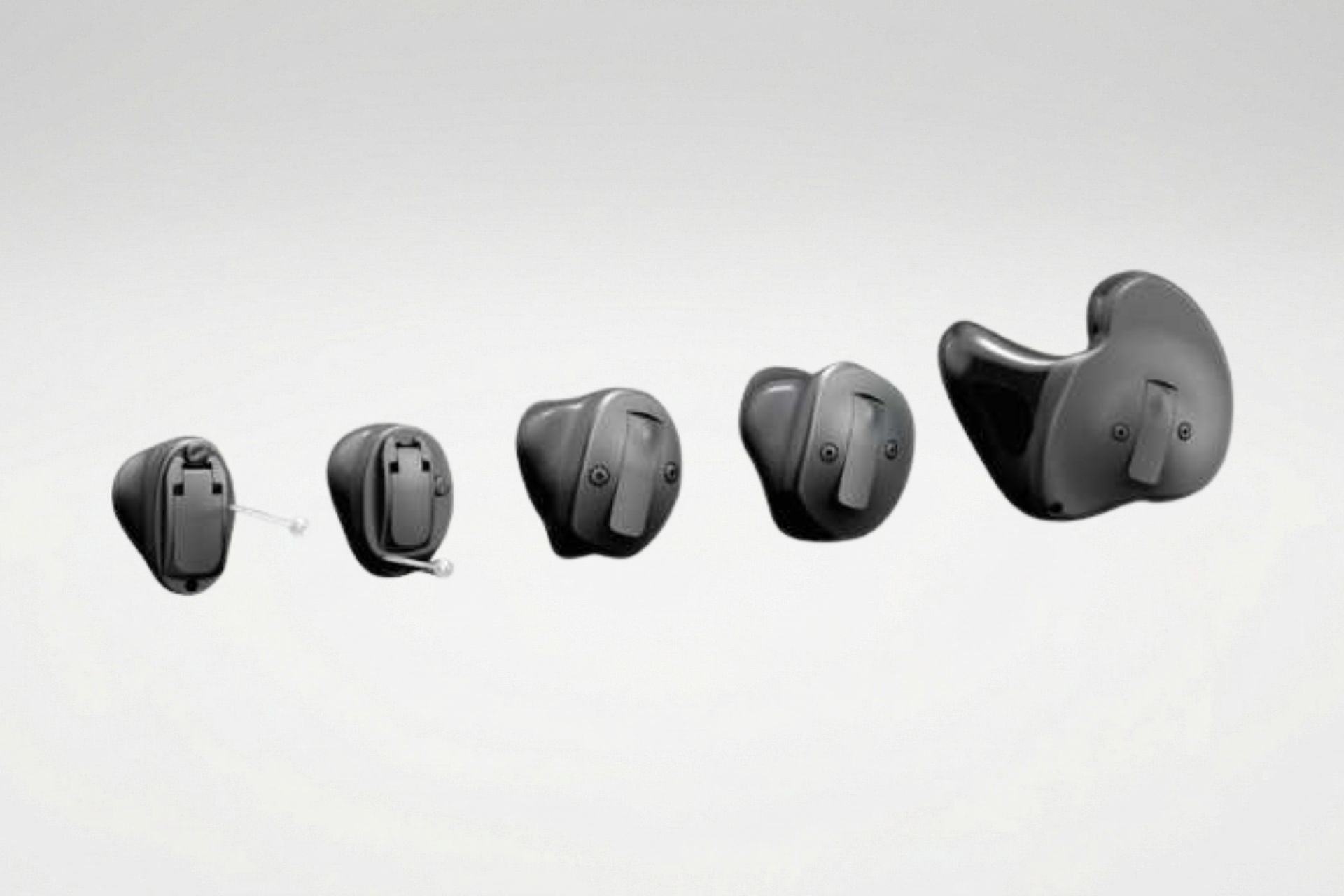
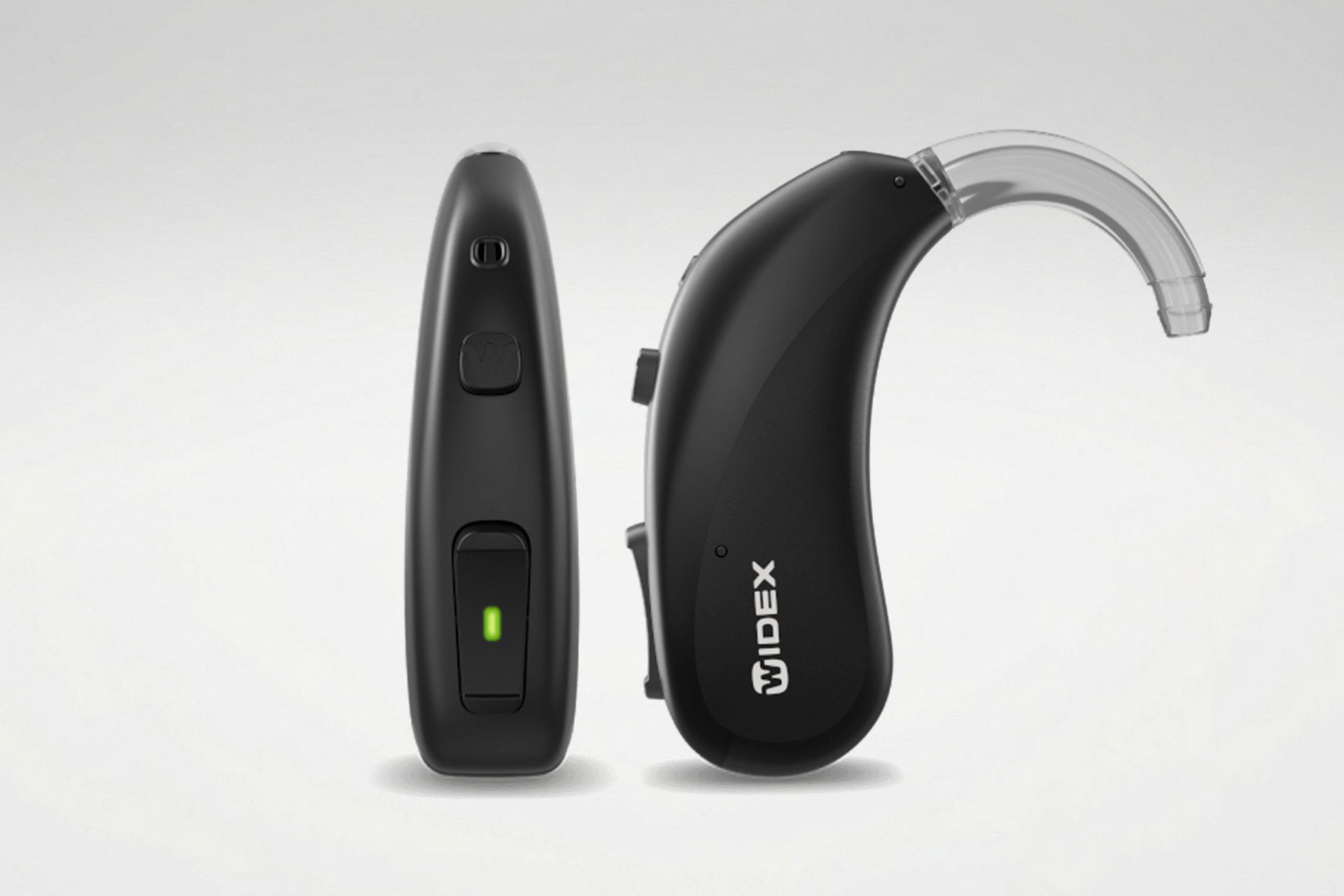
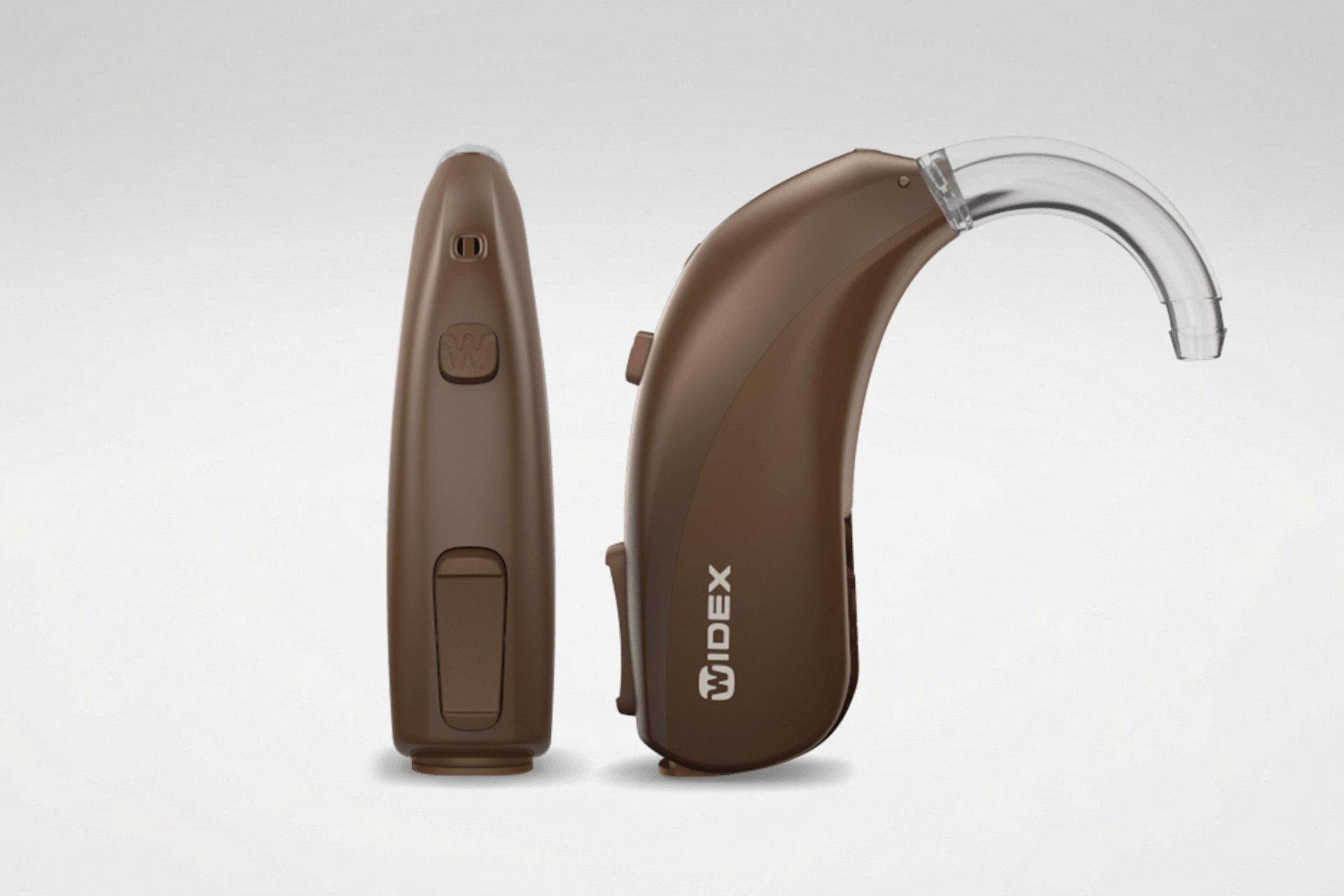
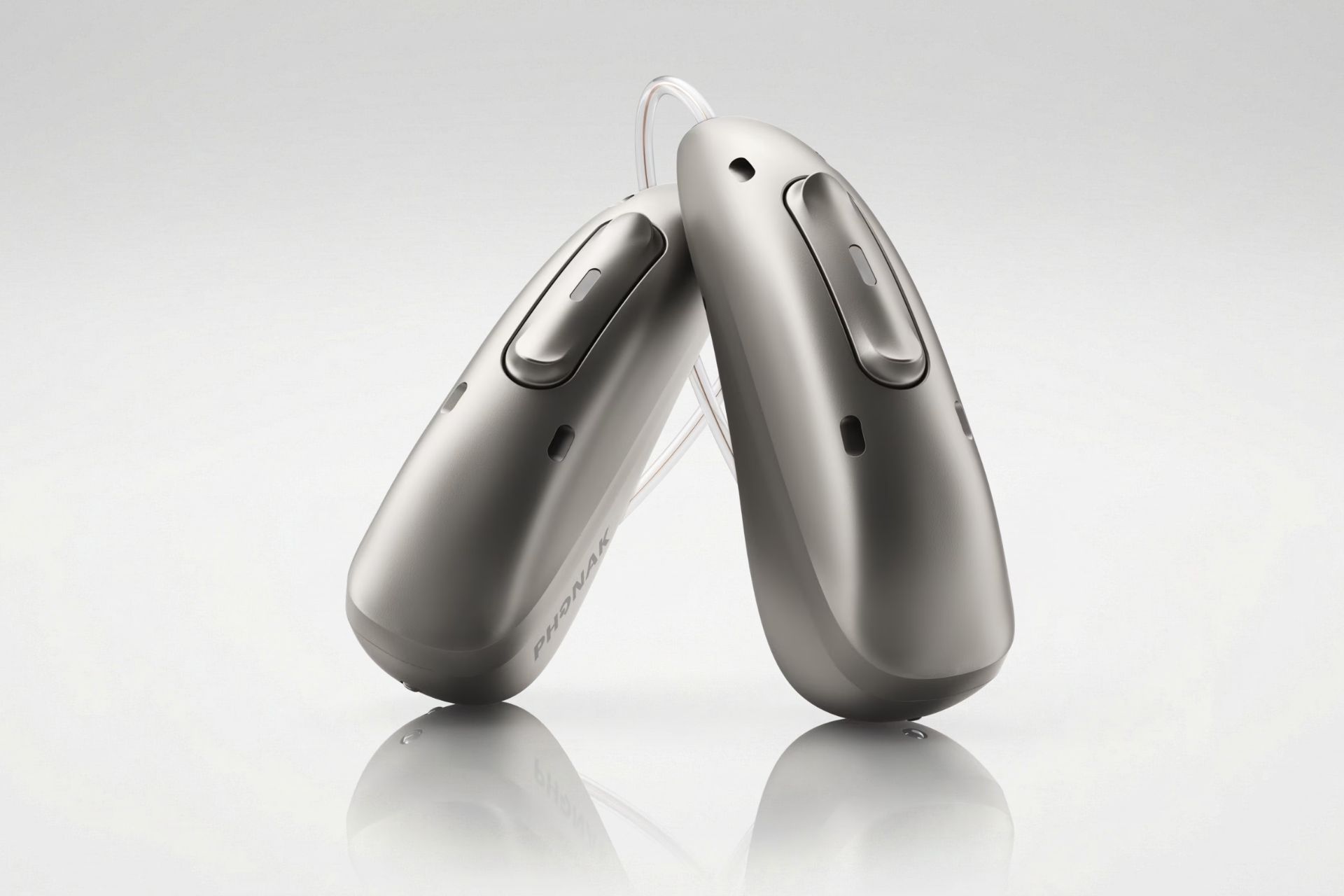
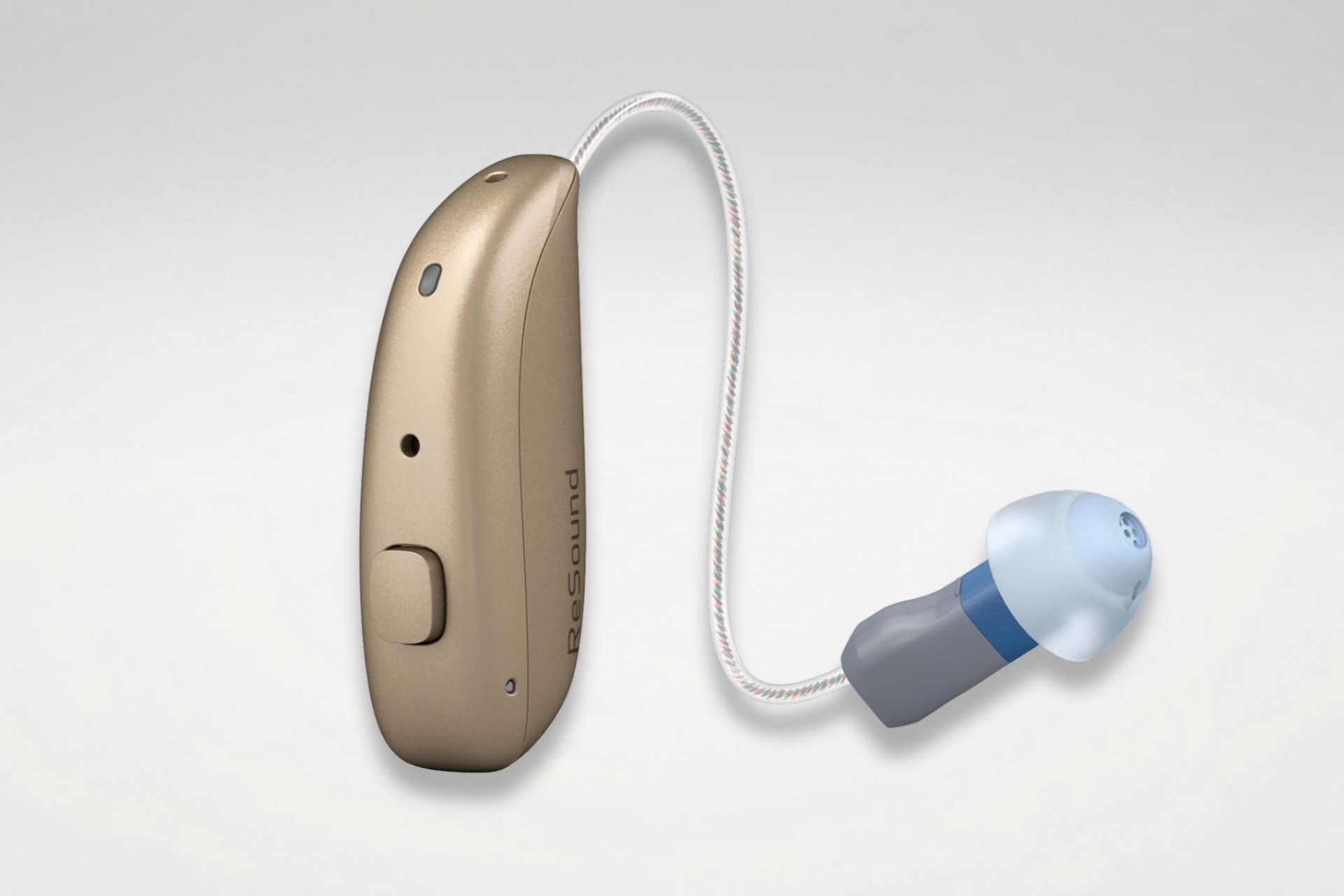
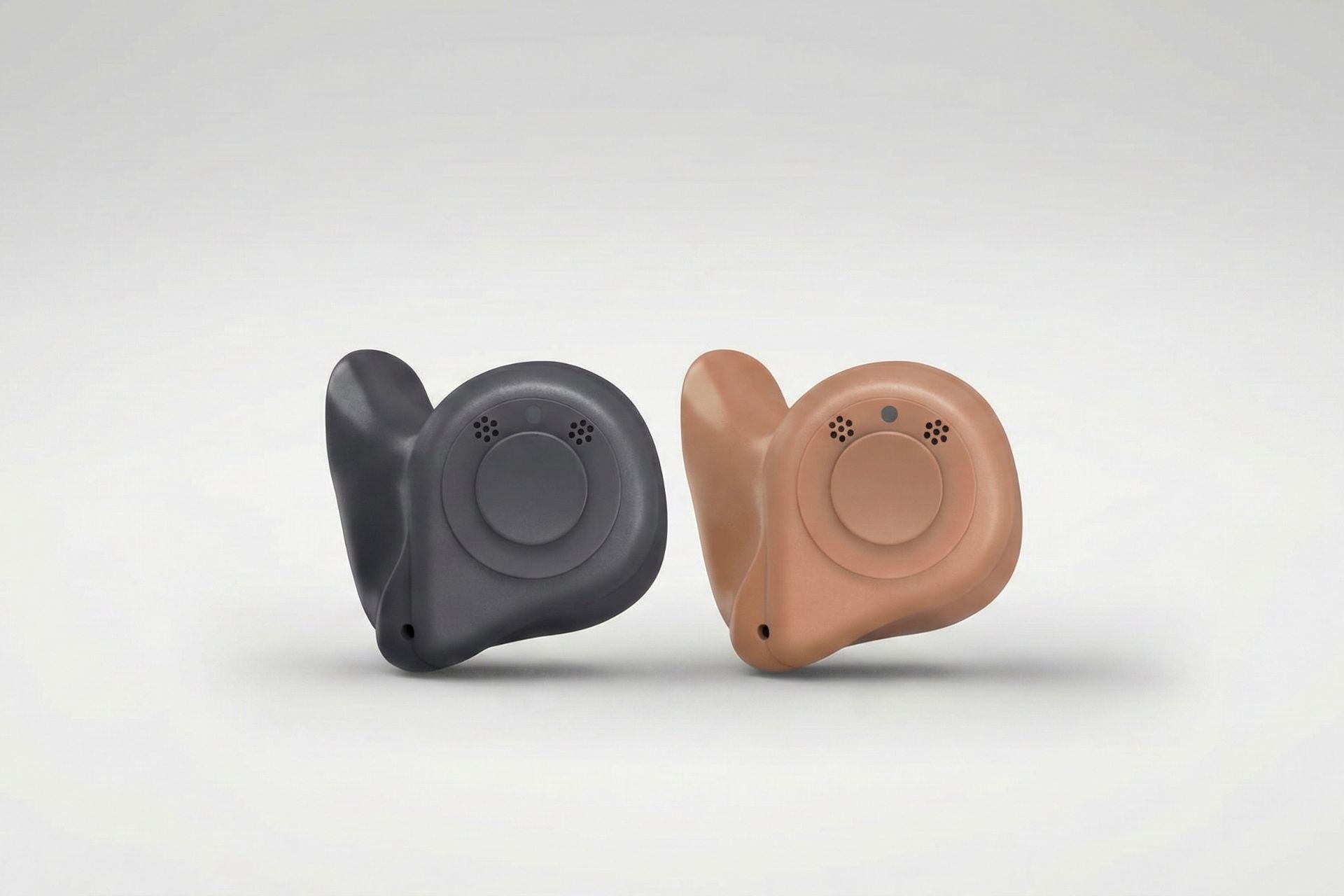
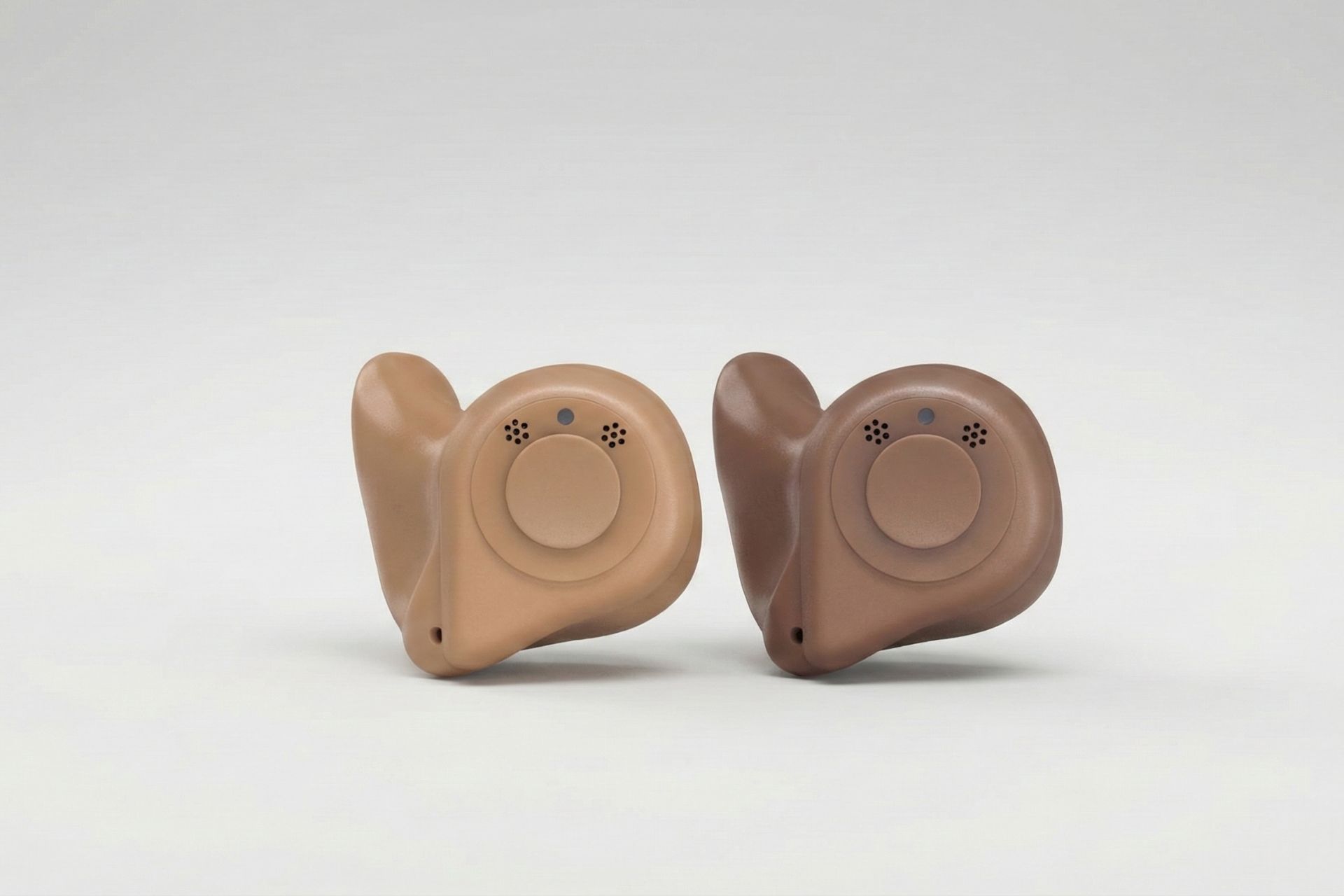
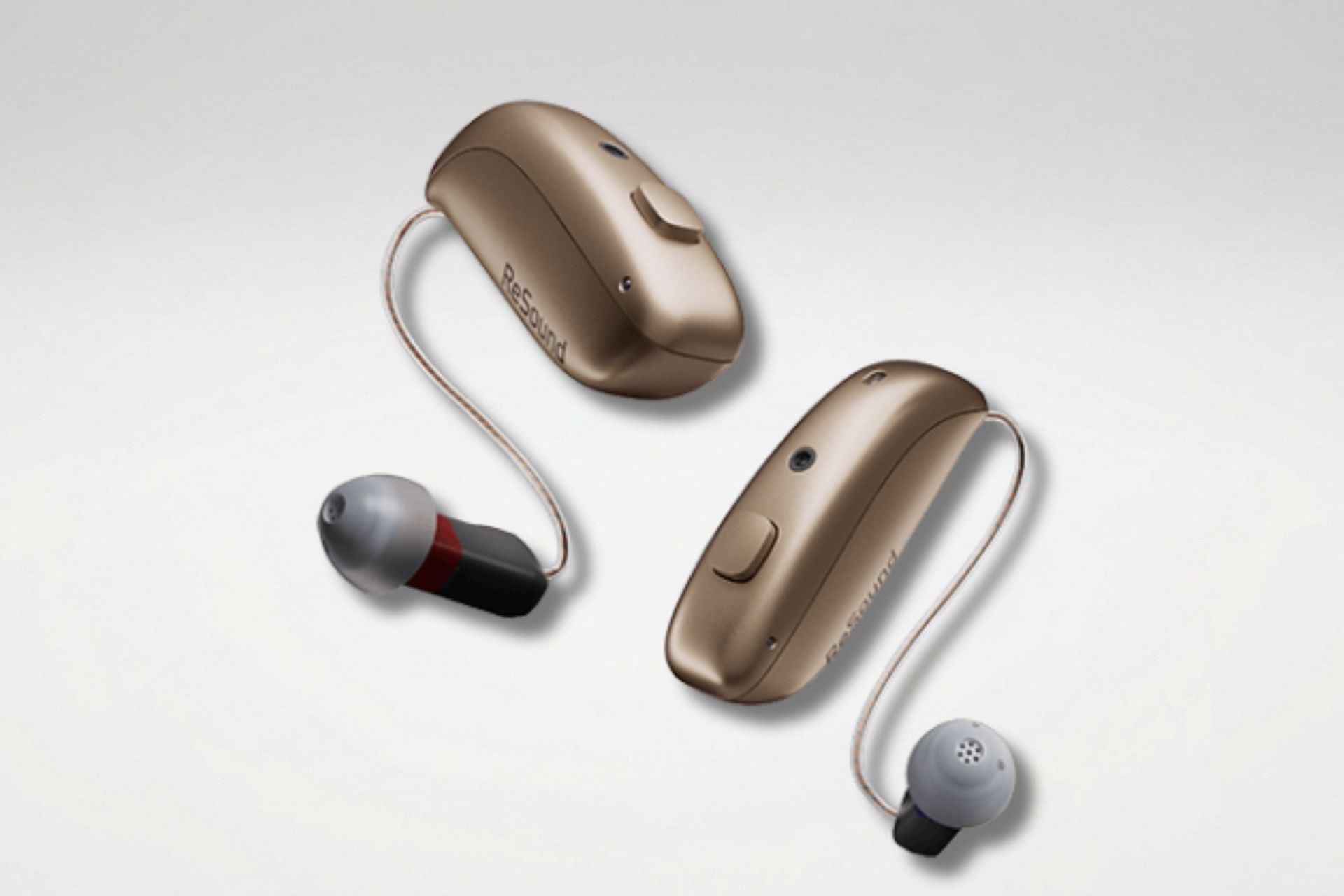
- Behind-the-ear (BTE)
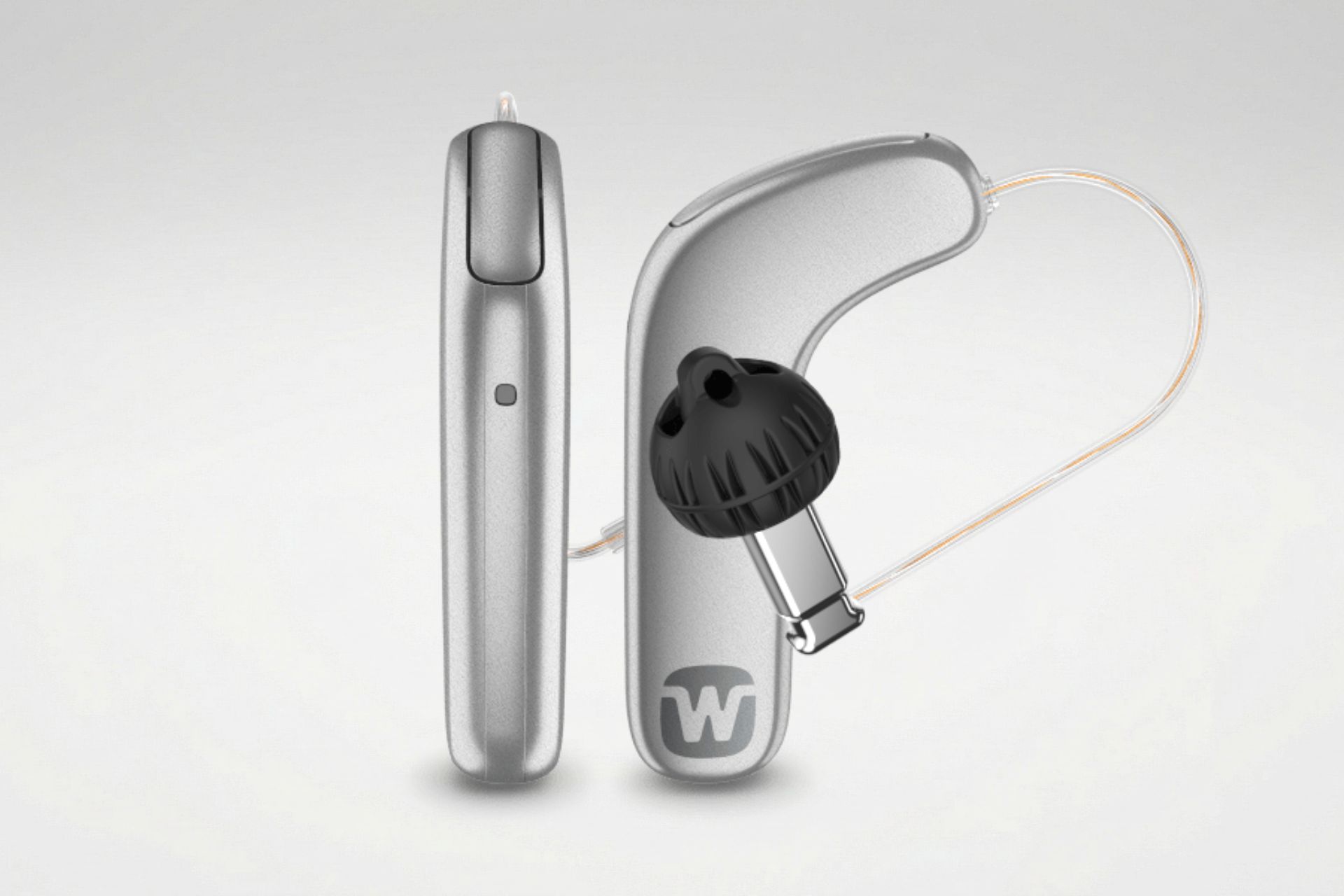
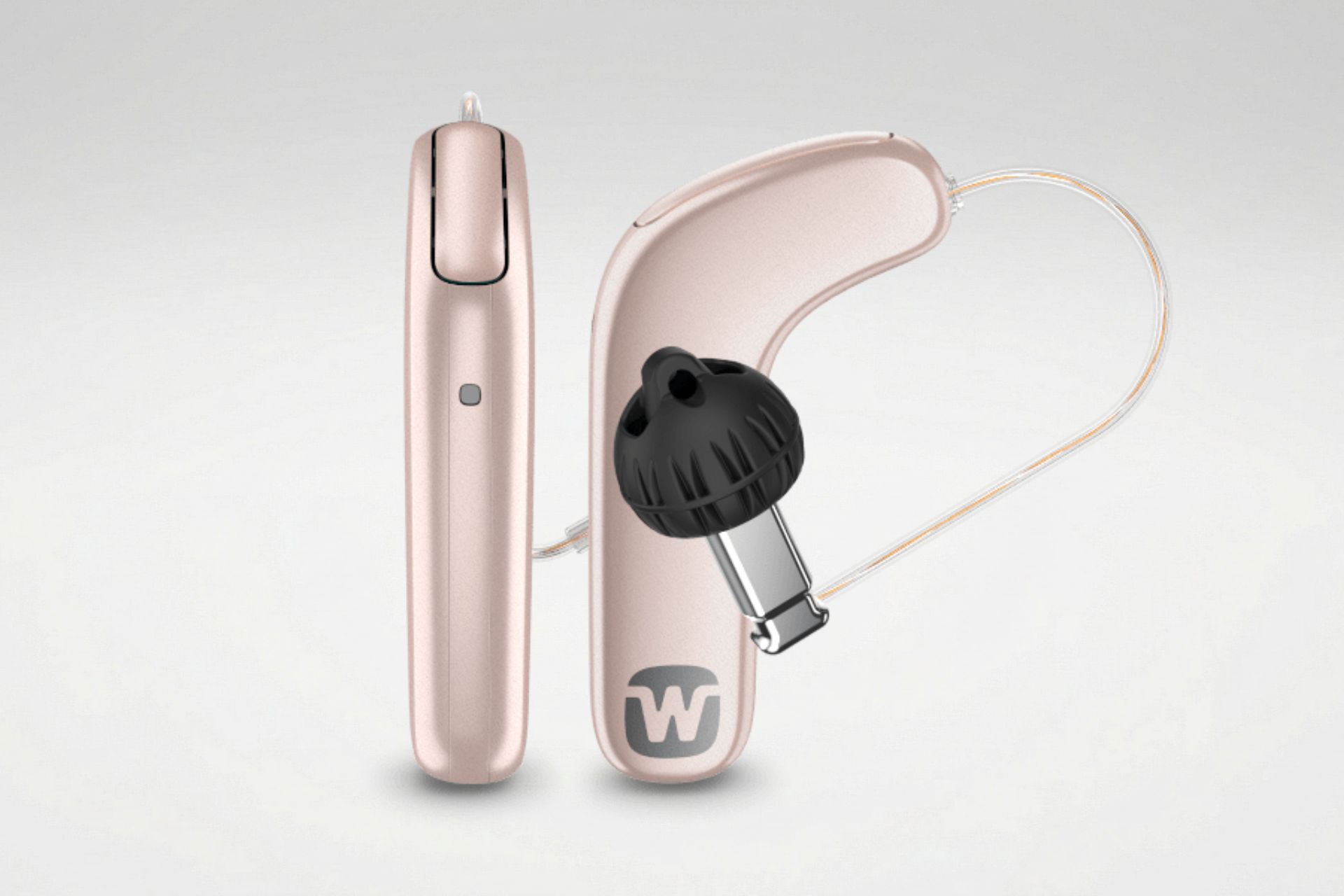
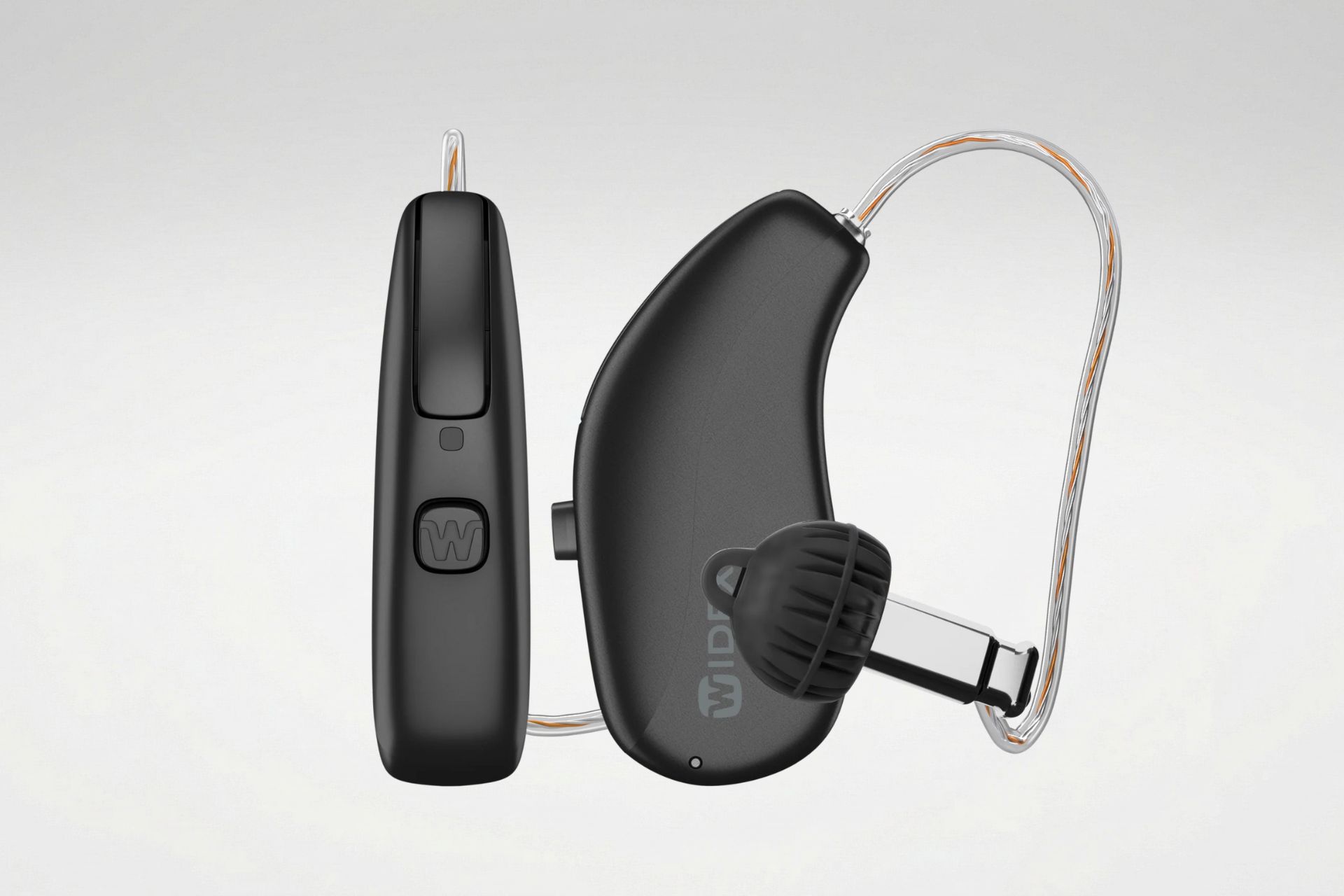
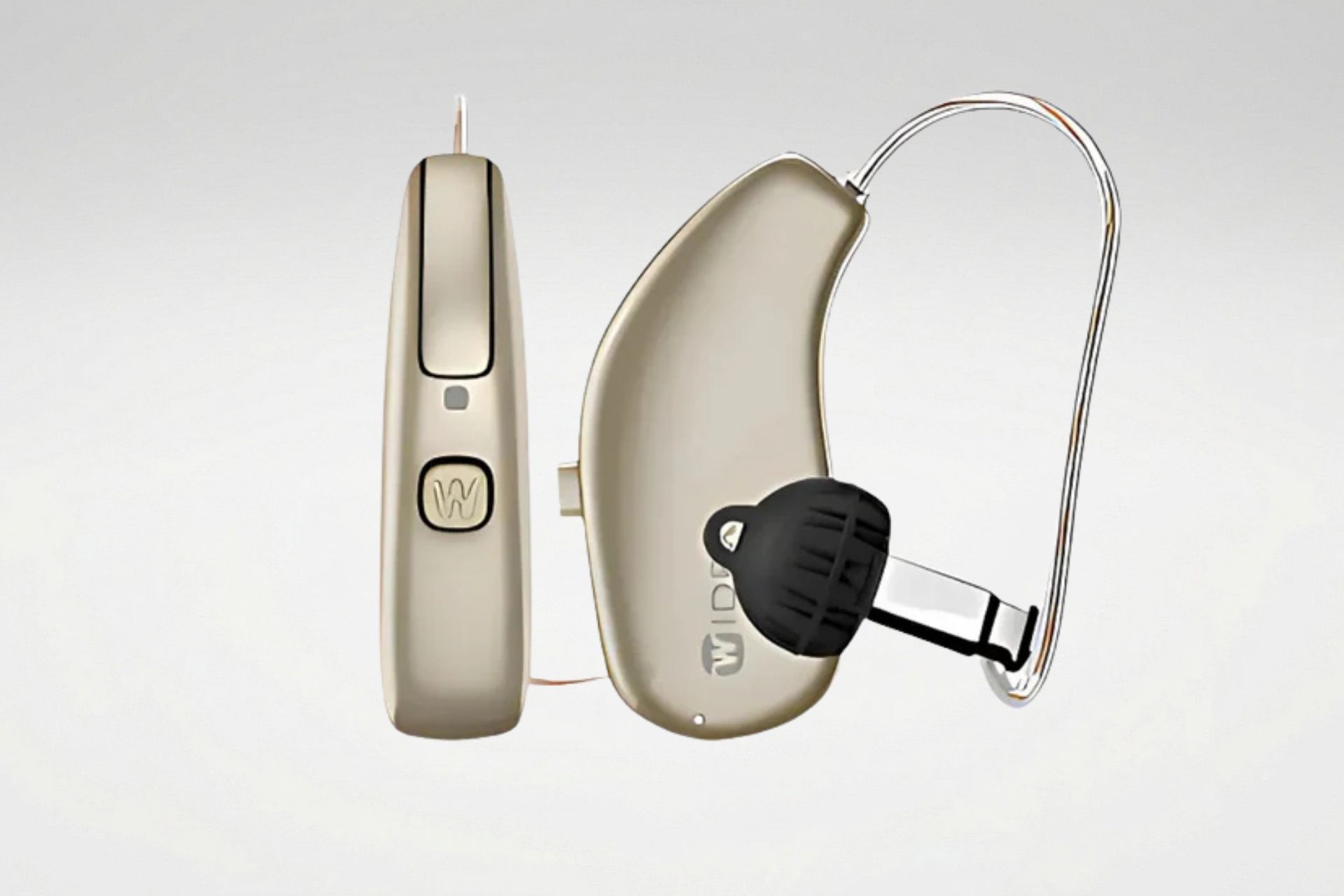
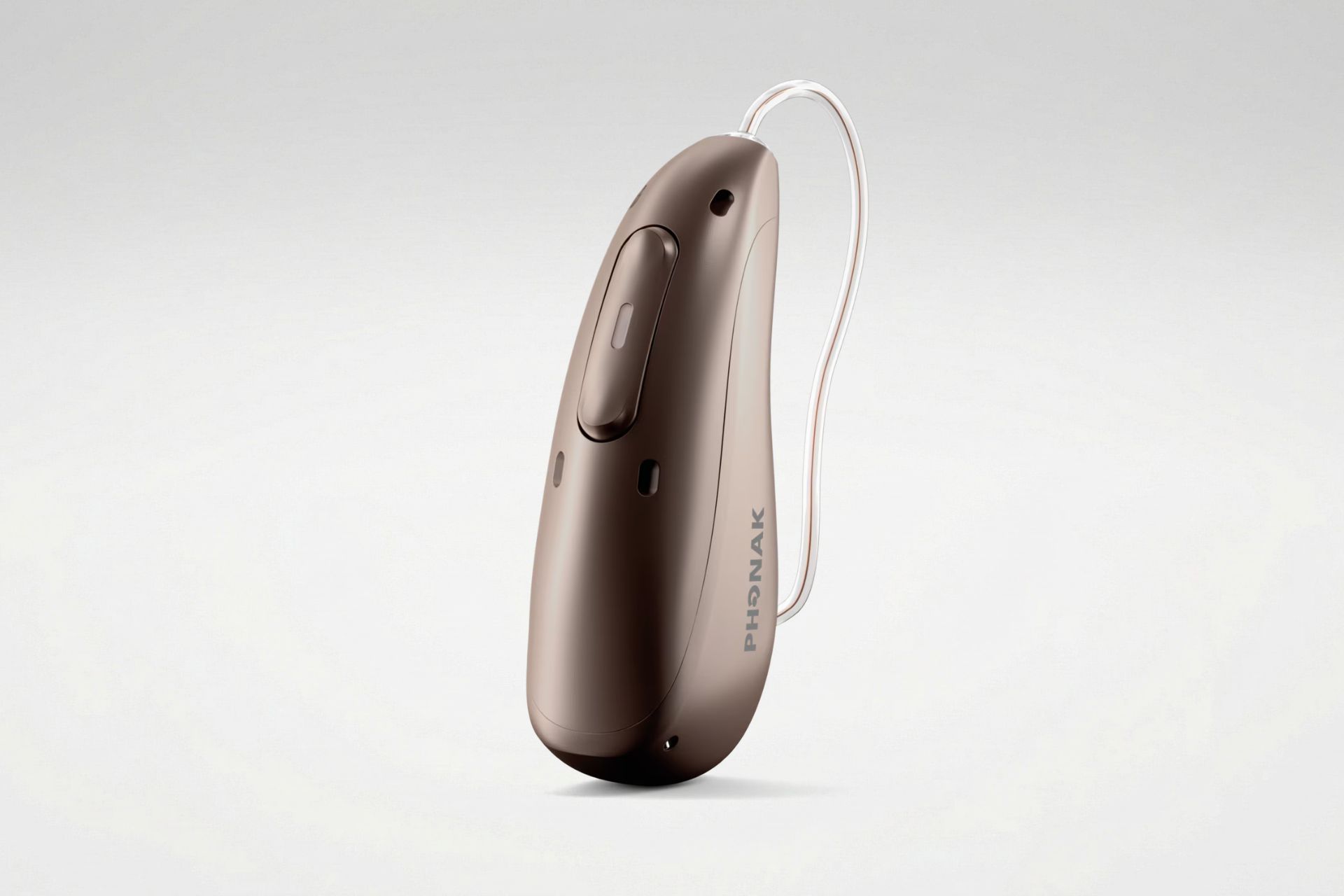
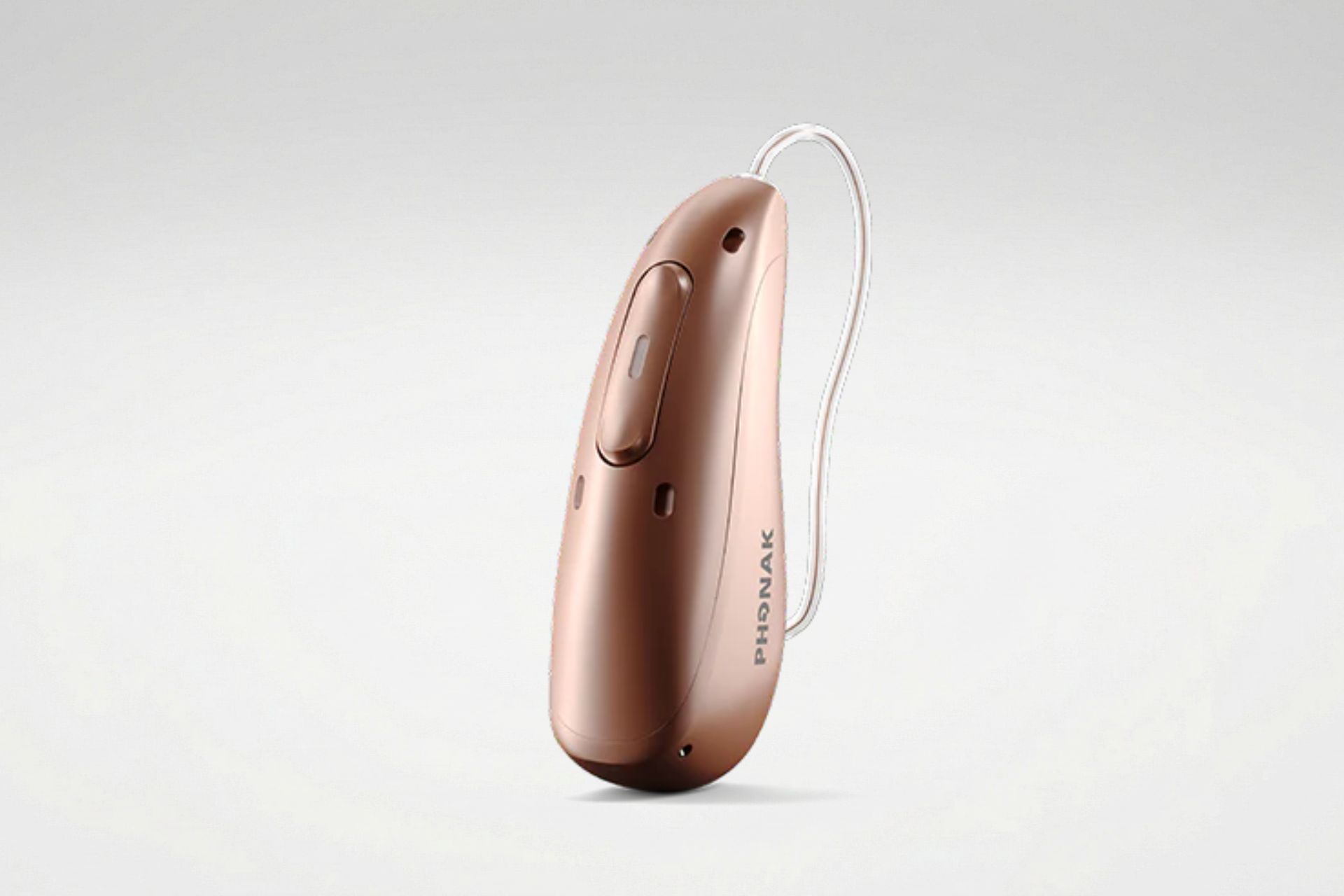
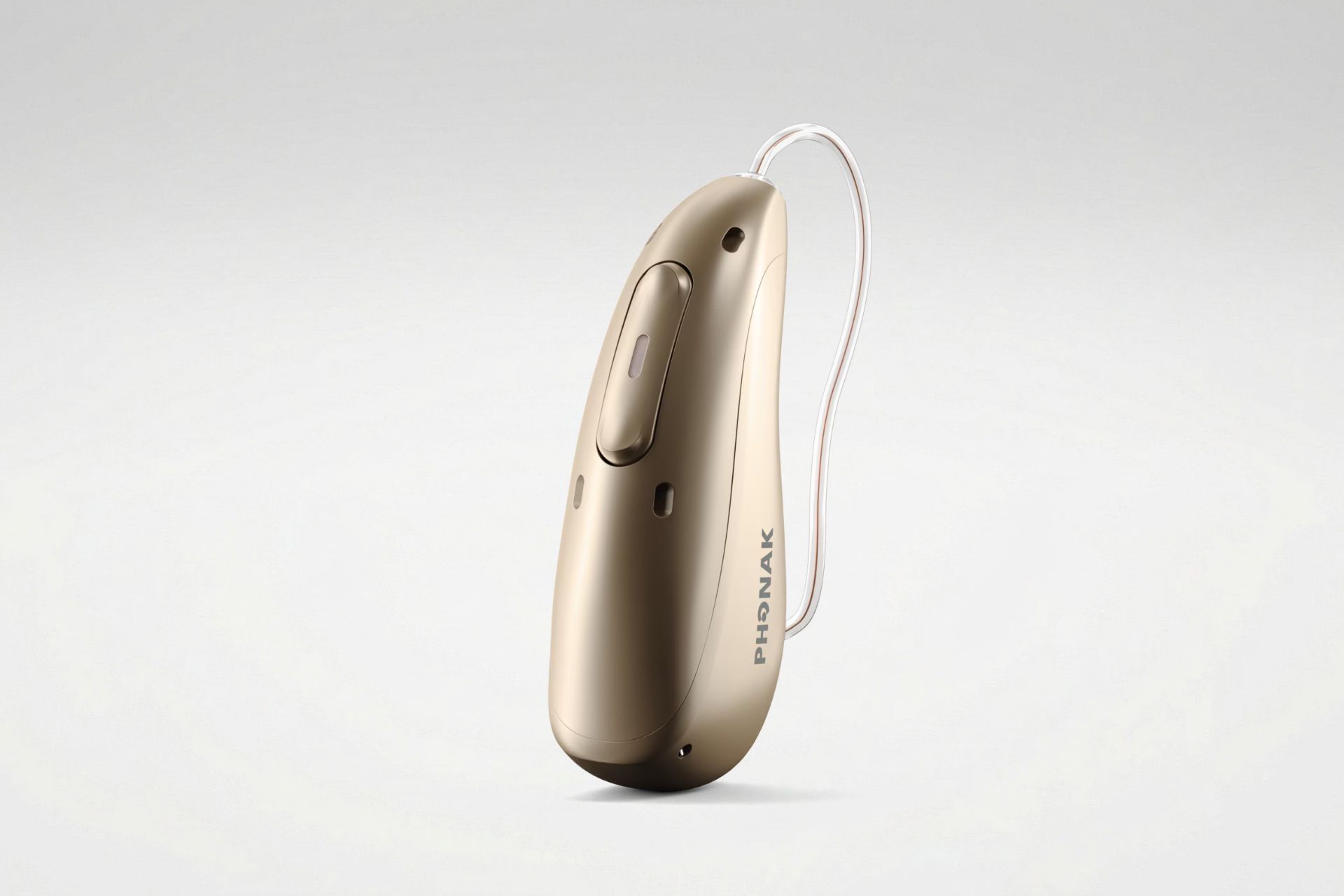
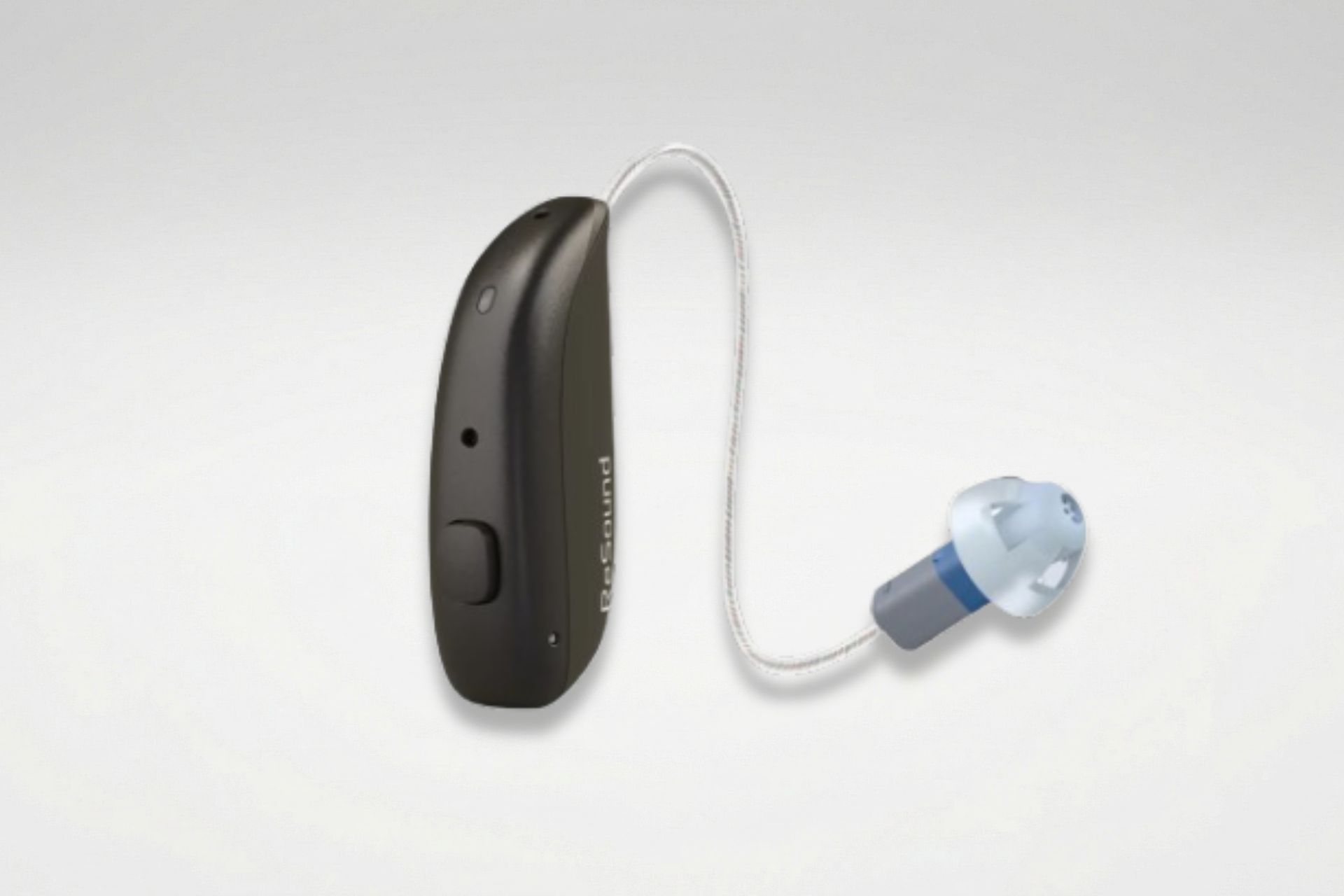
- Receiver-in-canal (RIC)
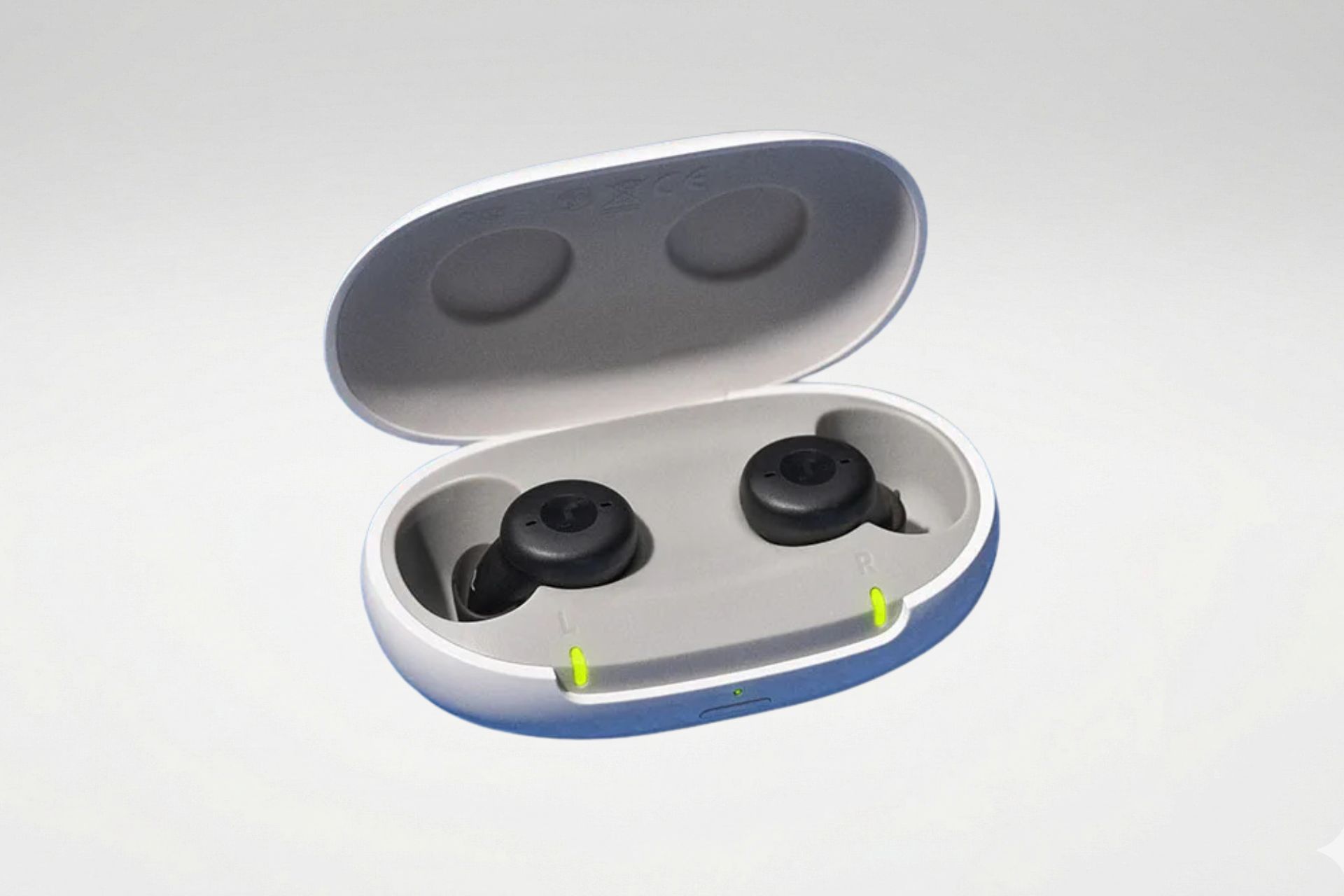
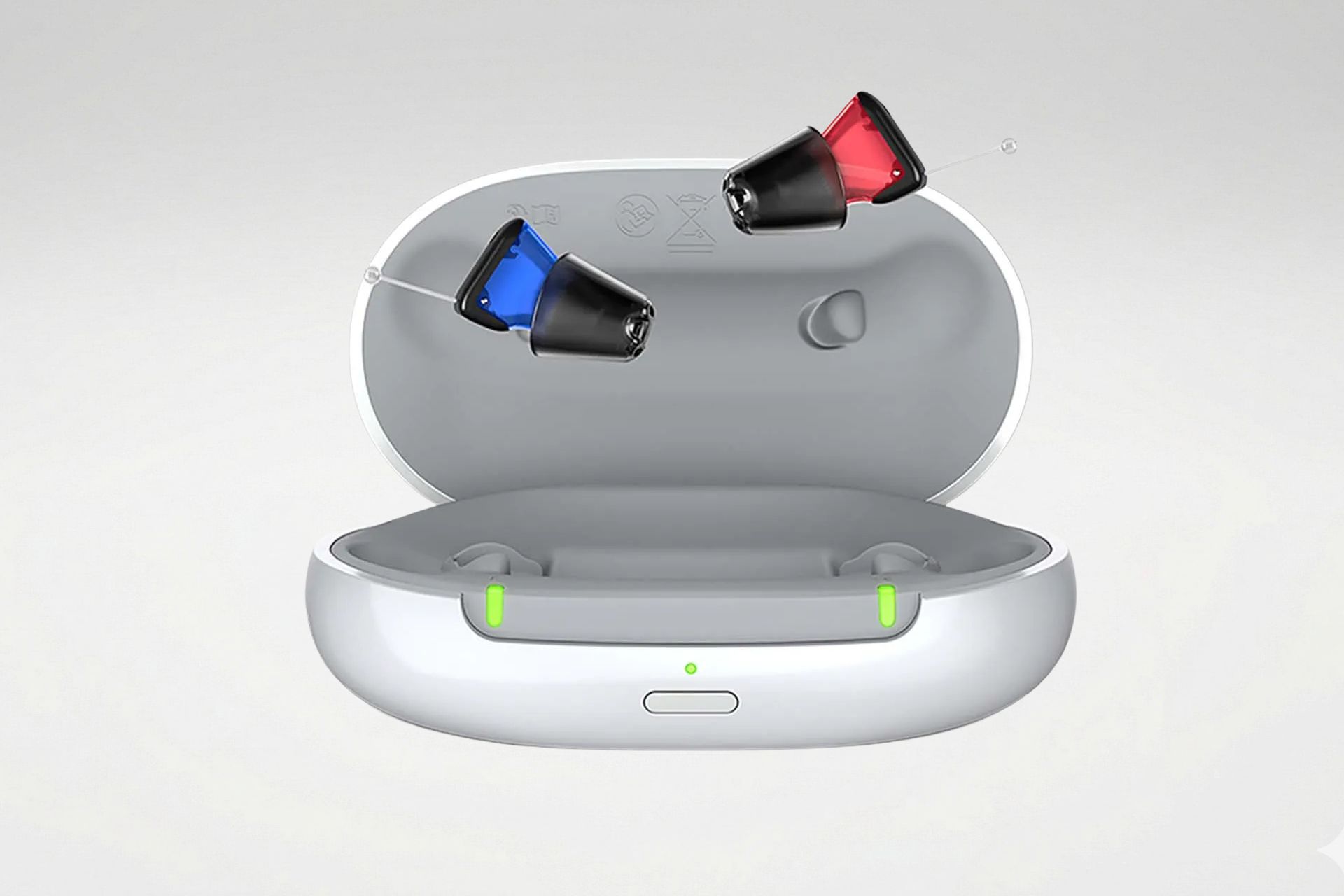
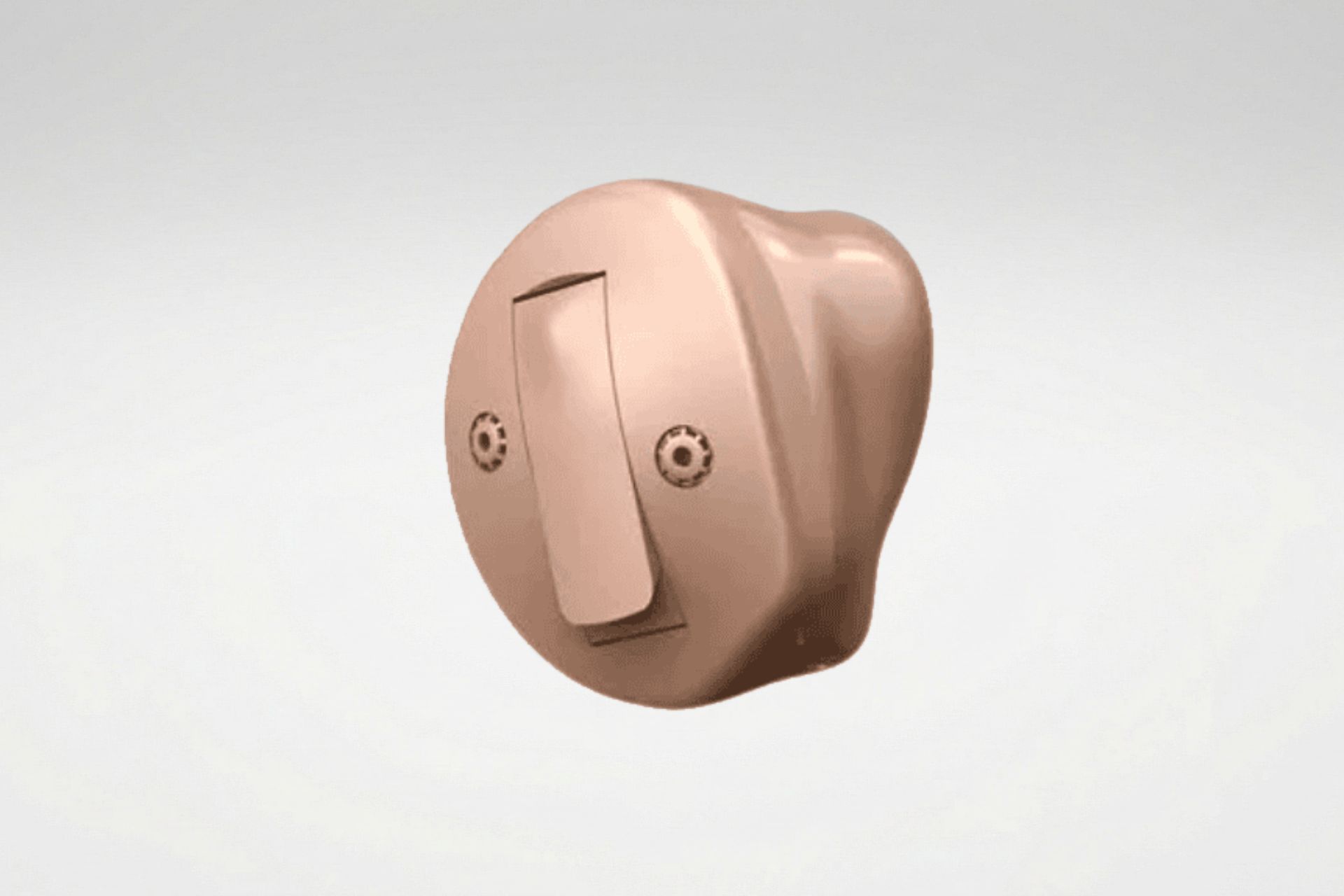
- In-the-ear (ITE)
Schedule Regular Hearing Tests
Routine hearing evaluations help detect hearing loss early and ensure hearing aids are properly adjusted.
Help with Daily Maintenance
Assist your parents with:
- Cleaning hearing aids
- Charging batteries
- Storing devices safely
- Scheduling servicing appointments
initially feel uncomfortable with amplified sounds, but gradual use usually improves comfort and confidence.
Tips for Caregivers Supporting Elderly Parents
Tips for Caregivers Supporting Elderly Parents
Helping parents adjust to hearing aids requires patience and encouragement.
Encourage Open Communication
Many seniors hesitate to admit hearing problems. Discuss hearing concerns gently and supportively.
Be Patient During Adjustment
Adapting to hearing aids can take time. Seniors may initially feel uncomfortable with amplified sounds, but gradual use usually improves comfort and confidence.