
Hear the difference
Are you a retired Central Government employee or a government pensioner experiencing difficulty hearing conversations, watching television, or participating in family gatherings? Modern digital hearing aids can help you reconnect with the people and moments that matter.
At Stilly – Hear the difference., we help individuals explore suitable hearing-aid solutions and understand the documentation process that may apply to government reimbursement schemes.
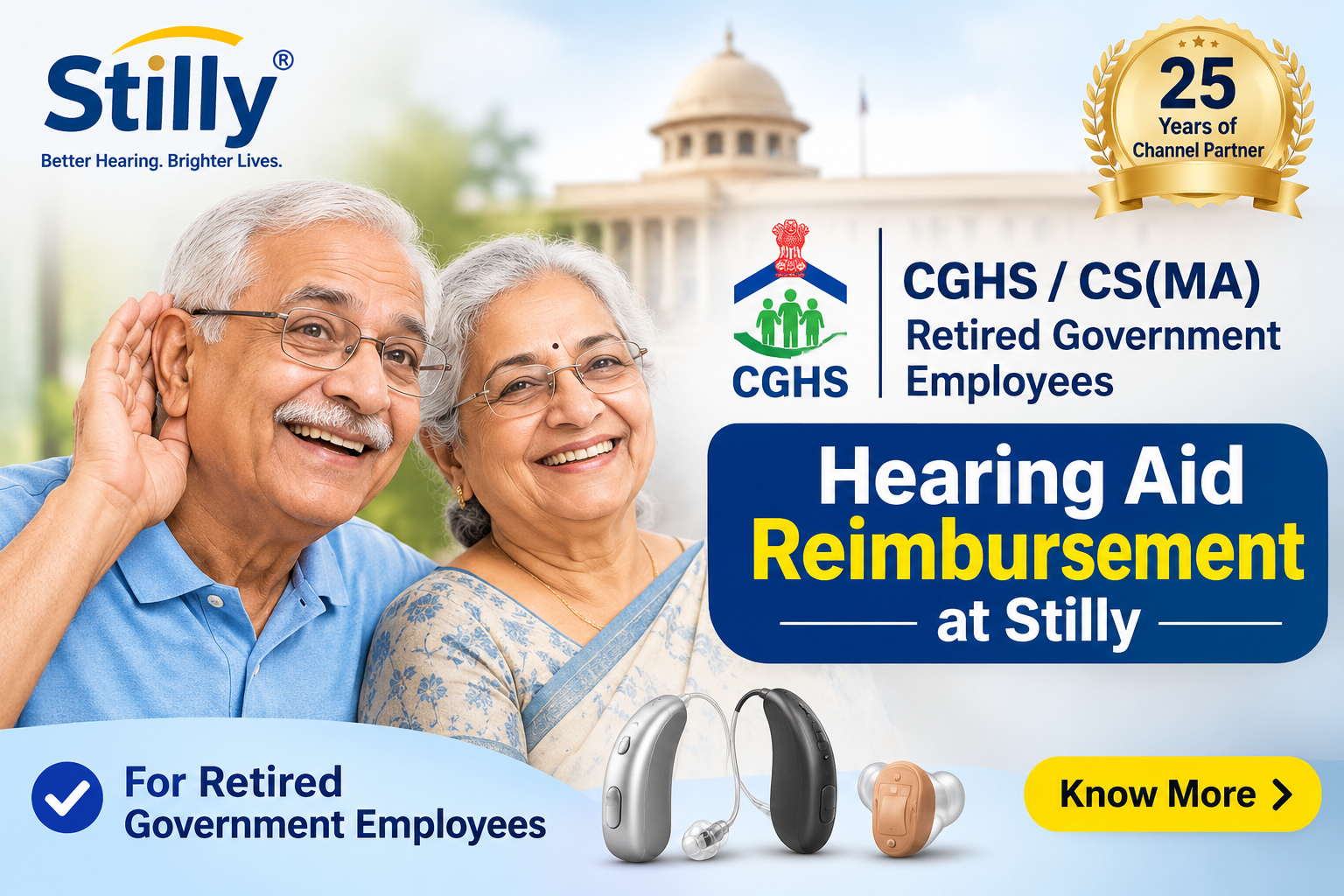
If you are covered under CGHS or another applicable government medical scheme, you may be able to seek reimbursement for eligible hearing aids, subject to the relevant rules, medical assessment, required permissions and approval by the competent authority.
1. Is hearing-aid reimbursement available for retired government employees?
Reimbursement may be available to eligible beneficiaries under applicable government healthcare provisions. However, the process depends on your beneficiary category and the scheme under which you receive medical benefits.
Here is a general overview:
- Retired Central Government employees: Eligible CGHS pensioner beneficiaries may apply under the applicable CGHS hearing-aid reimbursement guidelines.
- Serving Central Government employees: Reimbursement may be available under CGHS or CS(MA), depending on the employee’s applicable medical coverage.
- Retired State Government employees: Eligibility depends on the medical reimbursement policy and pensioner healthcare scheme of the respective State Government.
- Other government pensioners and beneficiaries: Railway, defence, public-sector and other pensioners should check the specific provisions applicable to their service and healthcare arrangements.
Important: CS(MA) Rules, 1944 generally apply to eligible serving Central Government employees, not pensioners. Retired employees should verify whether they are covered under CGHS or another applicable arrangement. State Government employees are not automatically covered by CGHS/CS(MA).
2. What is the latest CGHS/CS(MA) hearing-aid reimbursement limit?
The Ministry of Health and Family Welfare issued revised hearing-aid reimbursement guidelines on 9 September 2026.
Under the revised guidelines, the reimbursable category includes standard digital programmable and rechargeable hearing aids meeting the prescribed specifications.
The stated ceiling is:
- Up to ₹30,000 per ear, or the actual expenditure, whichever is lower.
- Up to ₹60,000 for both ears, where bilateral fitting is clinically justified and the applicable conditions are satisfied.
- A comprehensive three-year warranty is included in the prescribed package.
The ceiling is not an automatic payment or a guarantee that a particular hearing aid will be approved. The prescribed device specifications, medical recommendation, permissions and documentation must be satisfied.
State Government schemes may have different limits and procedures.
3. Which hearing aids may qualify?
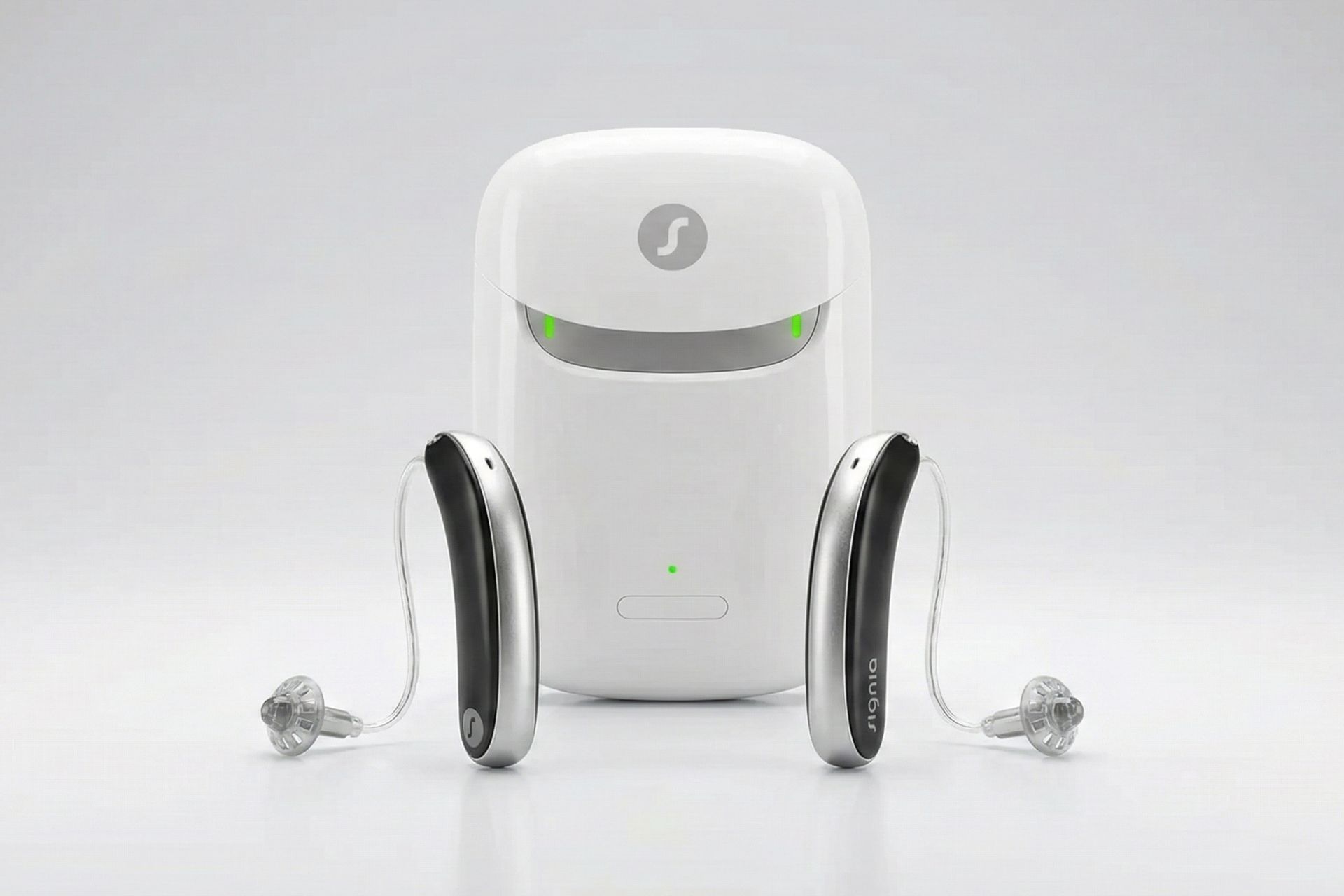
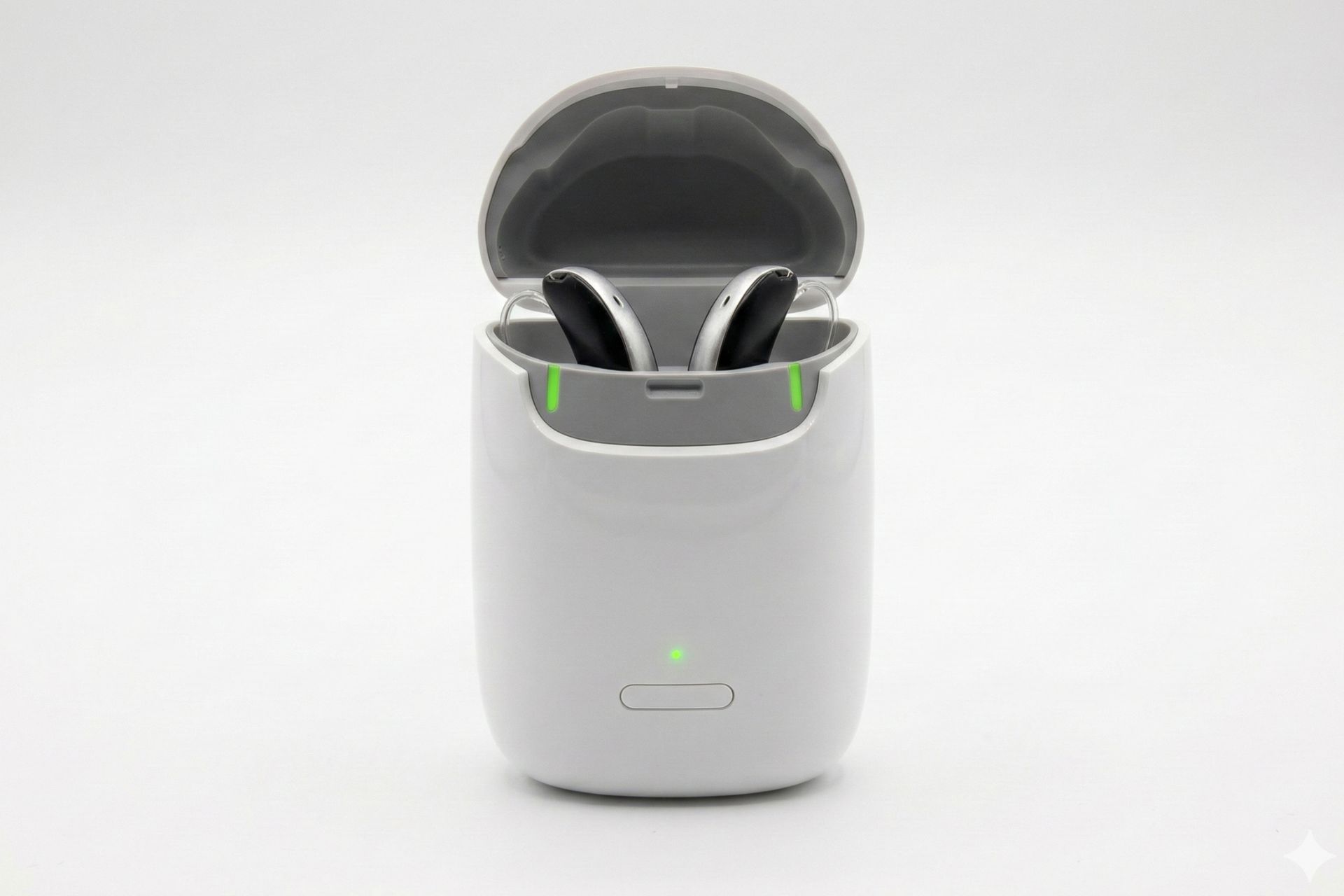
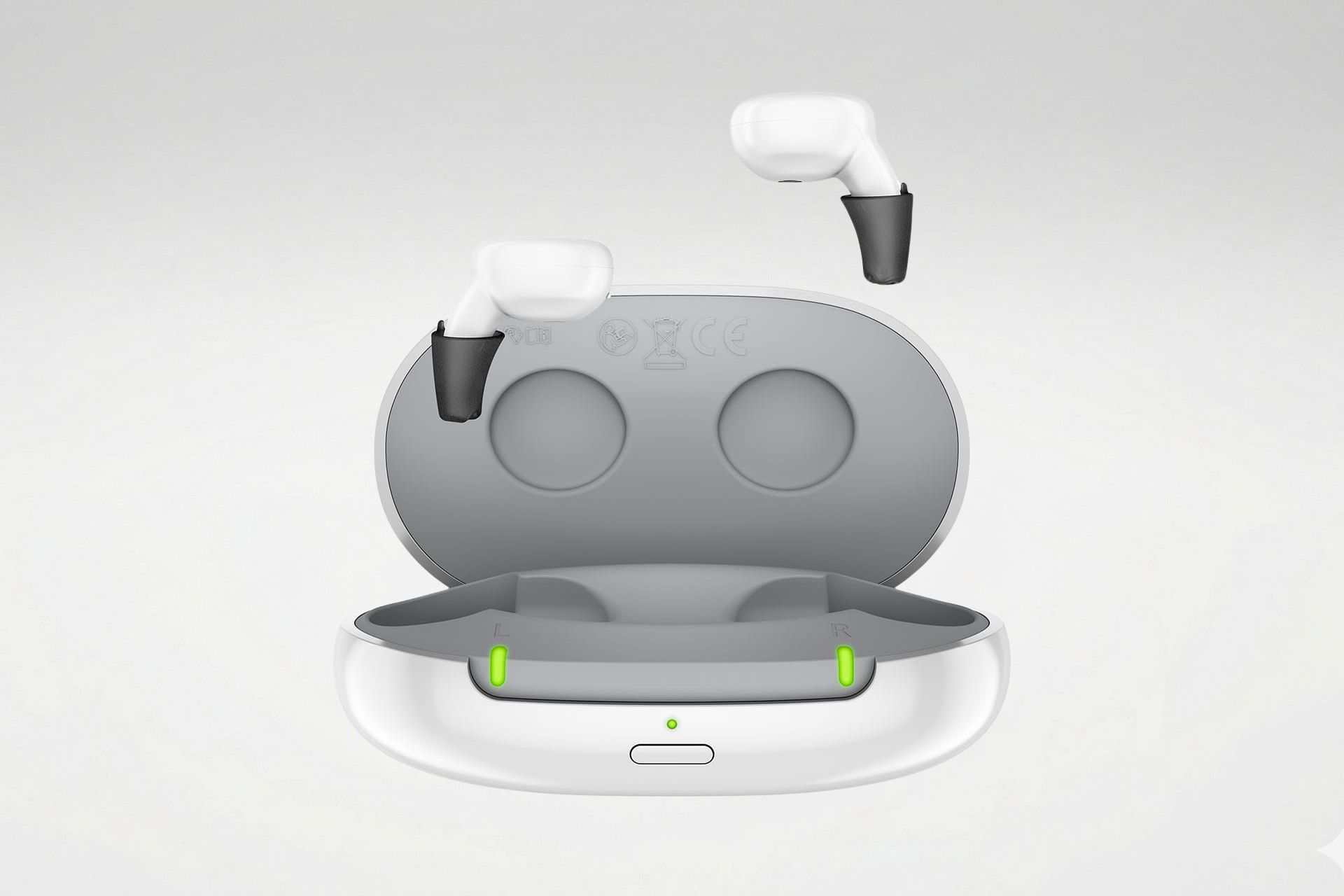
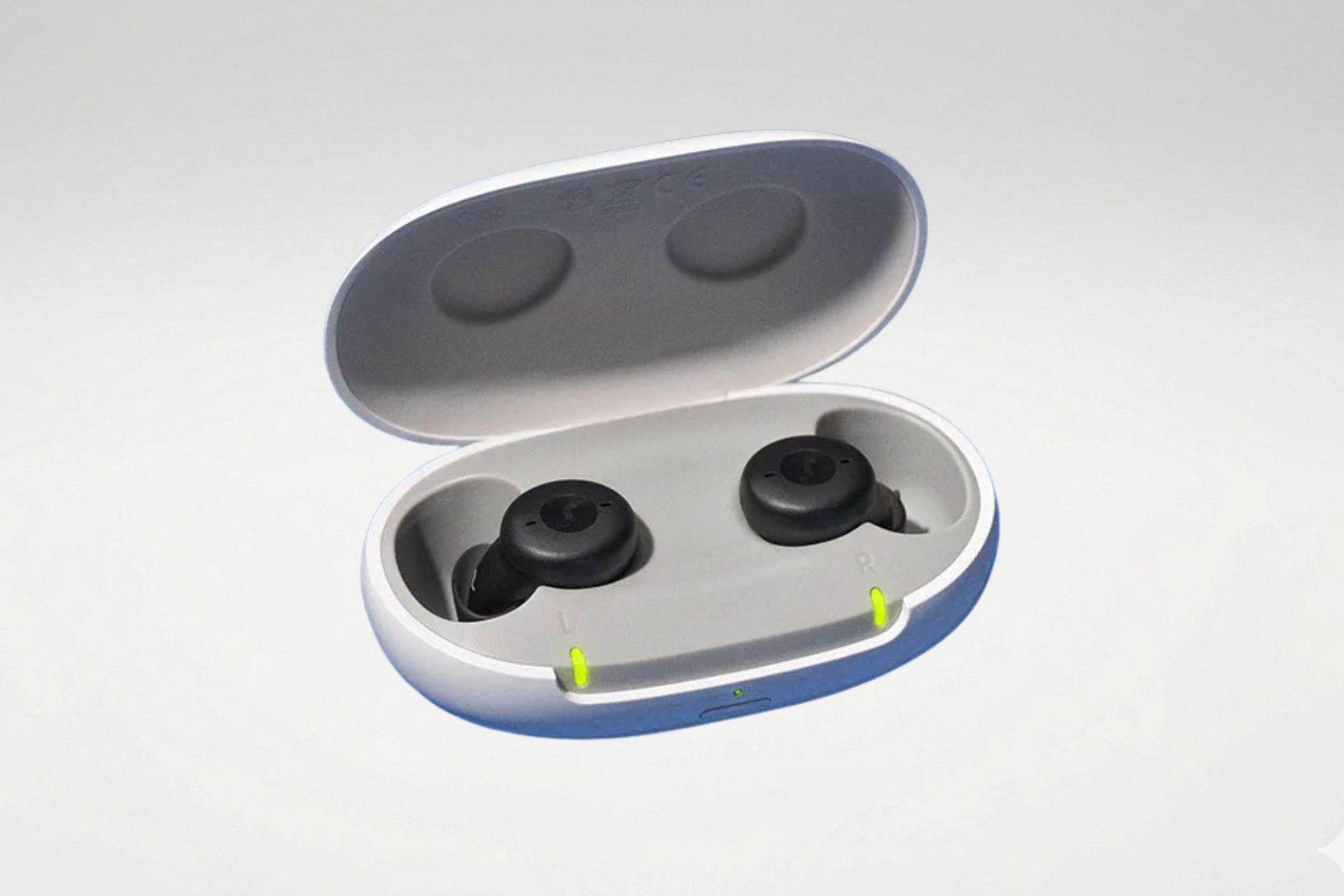
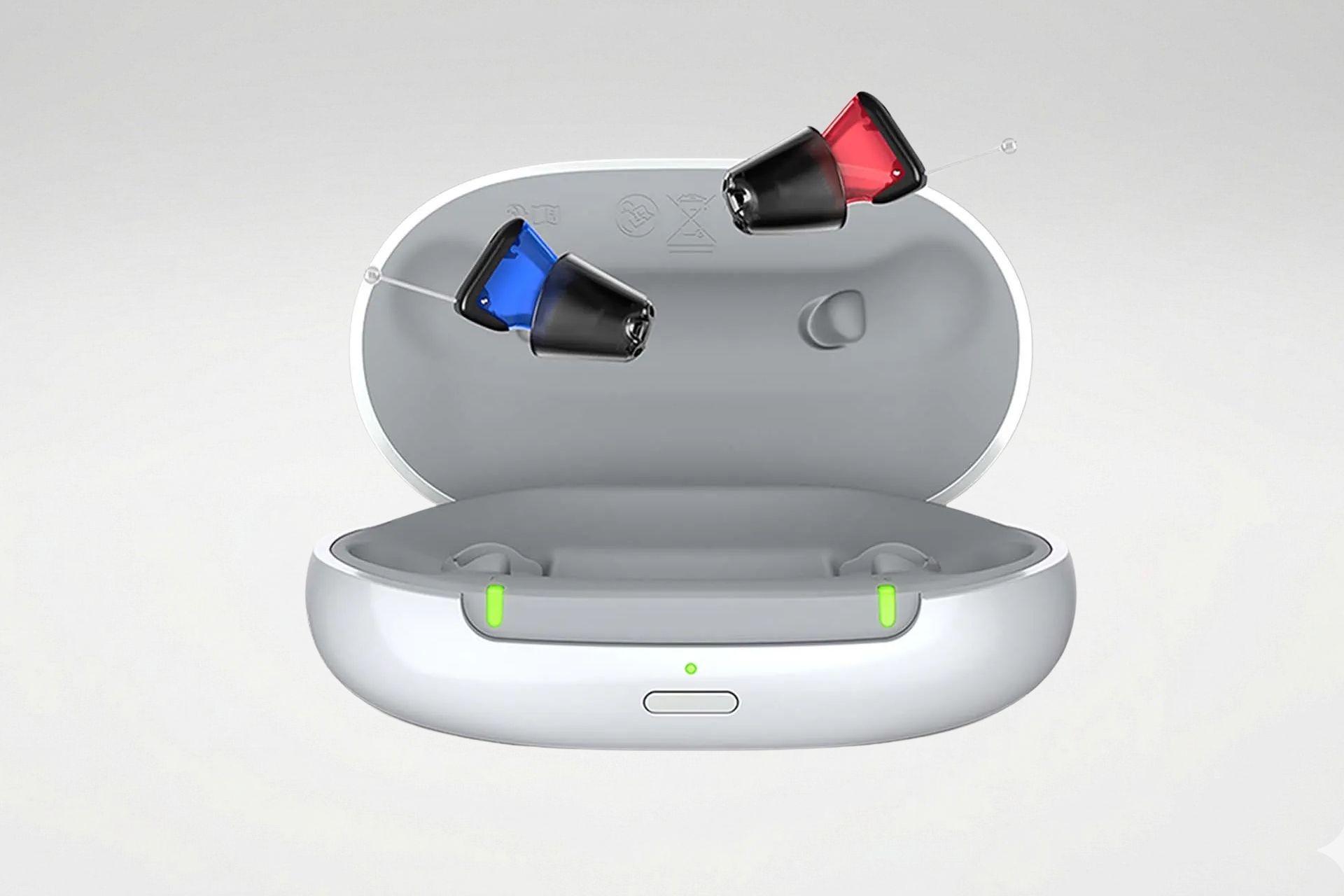
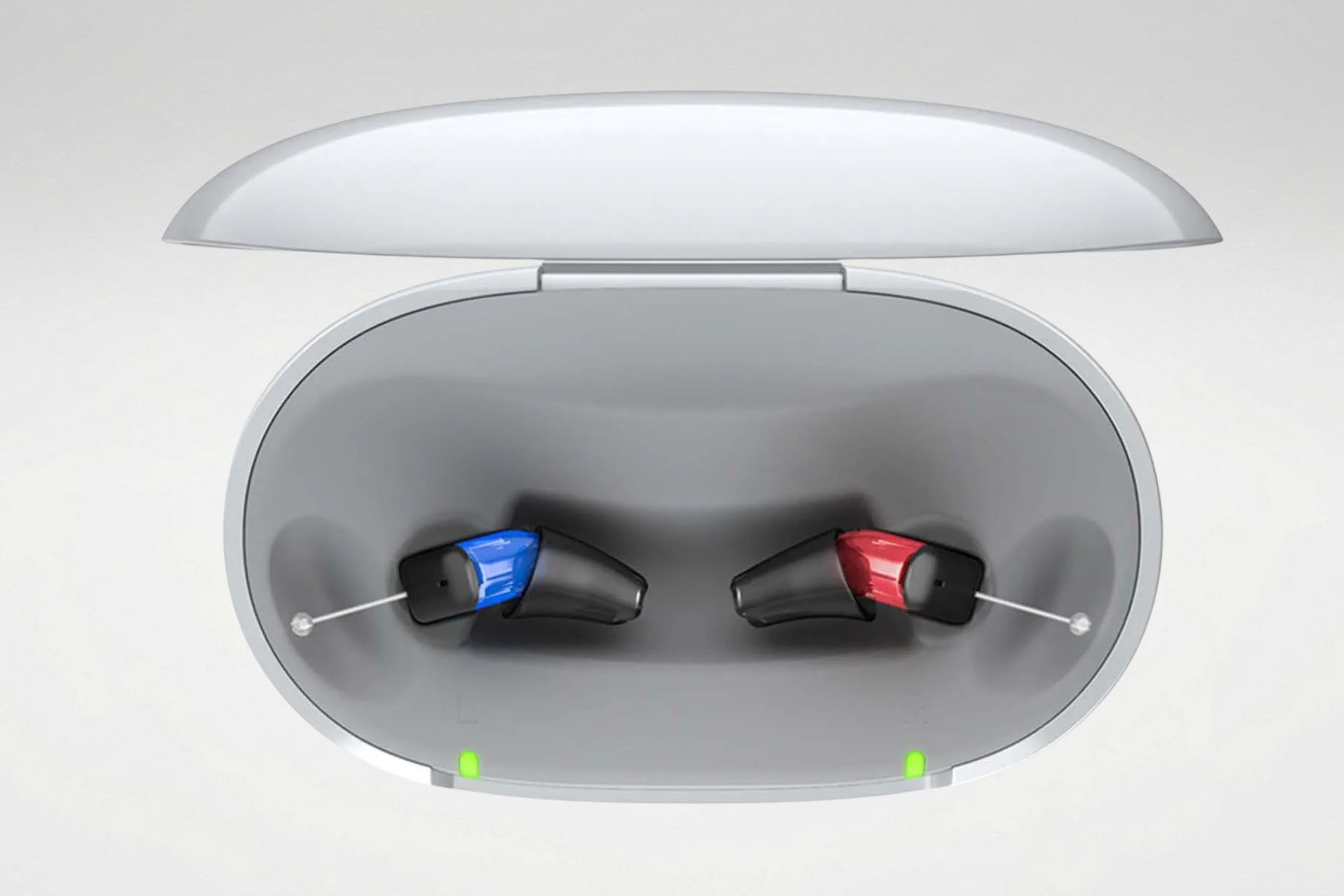
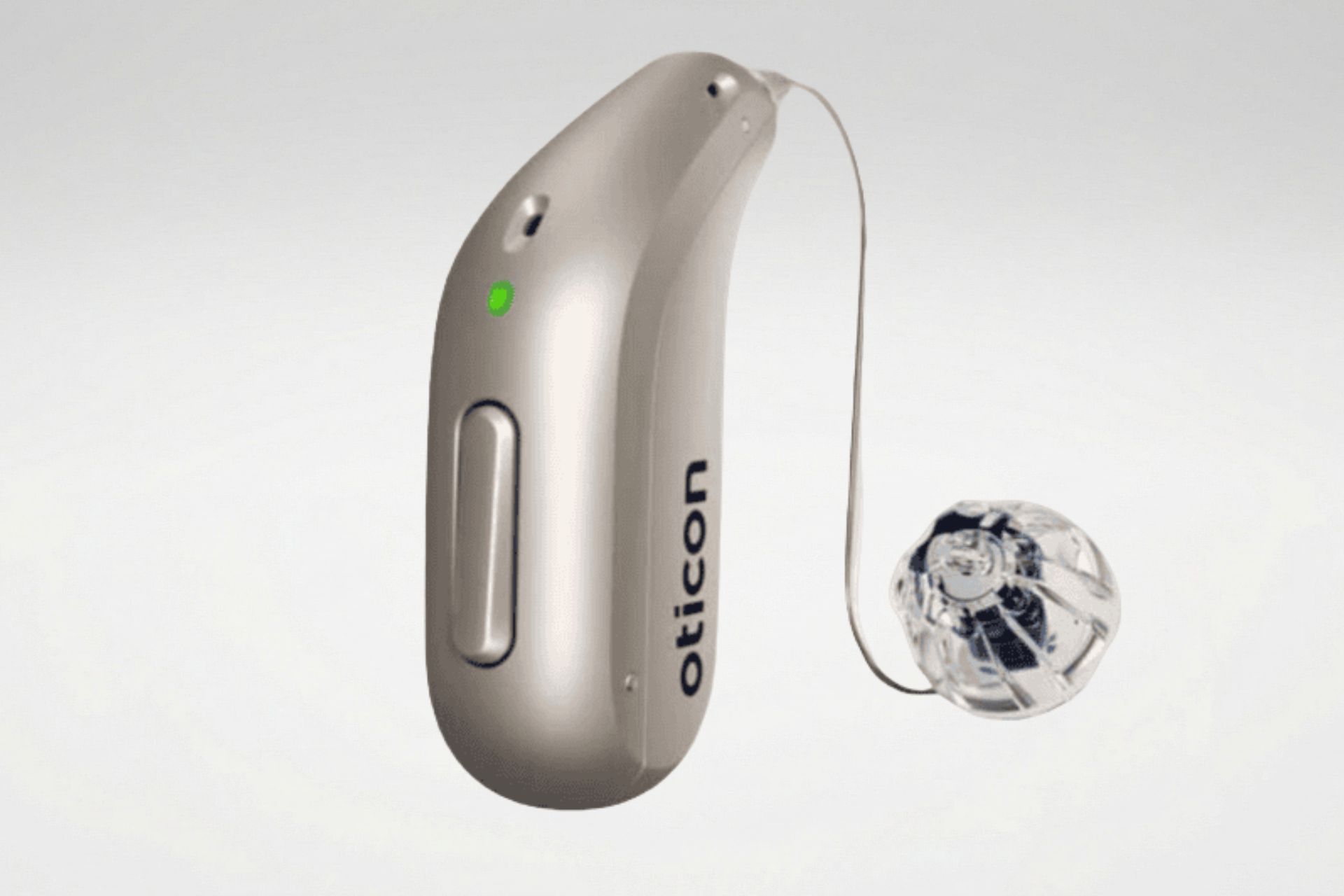
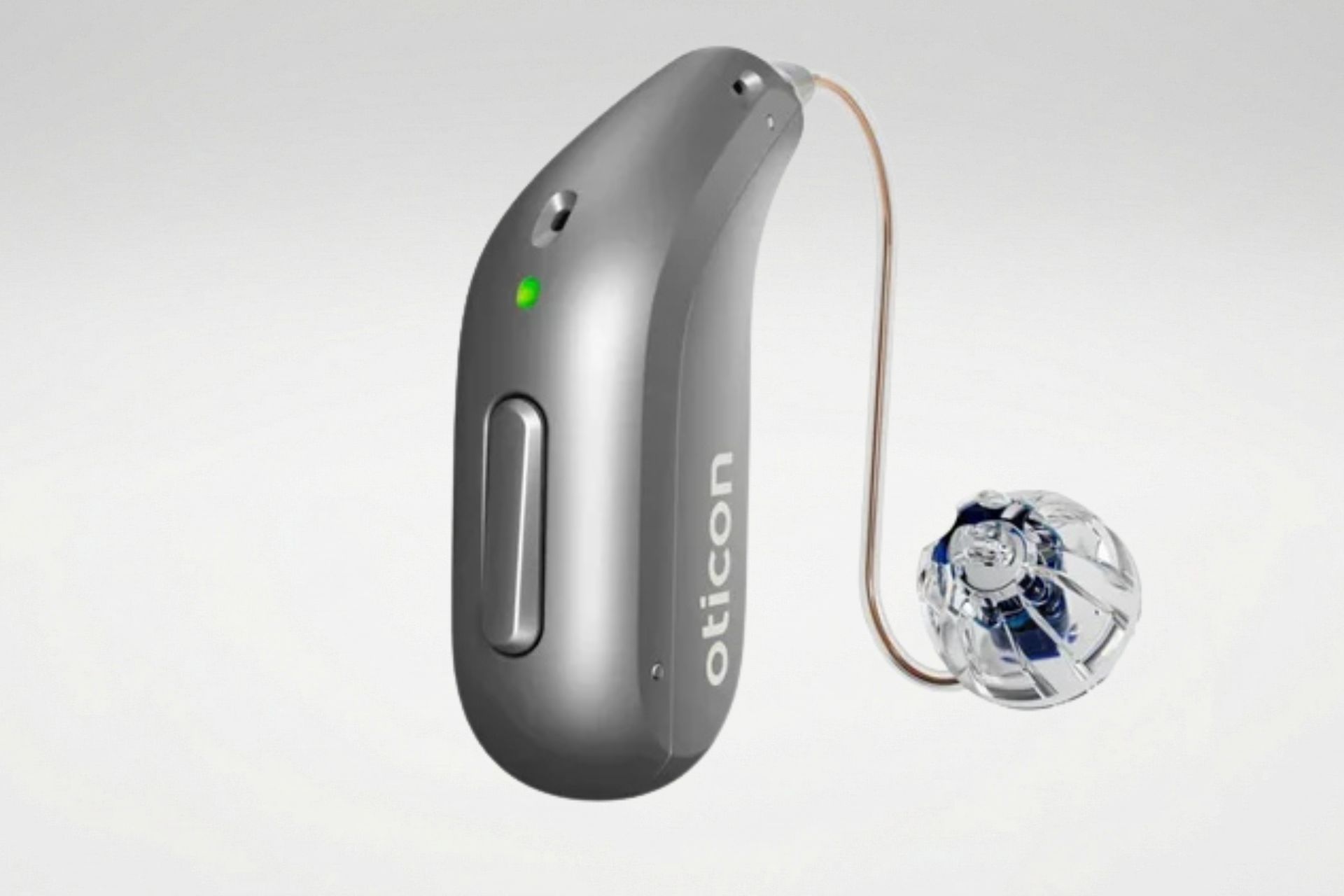
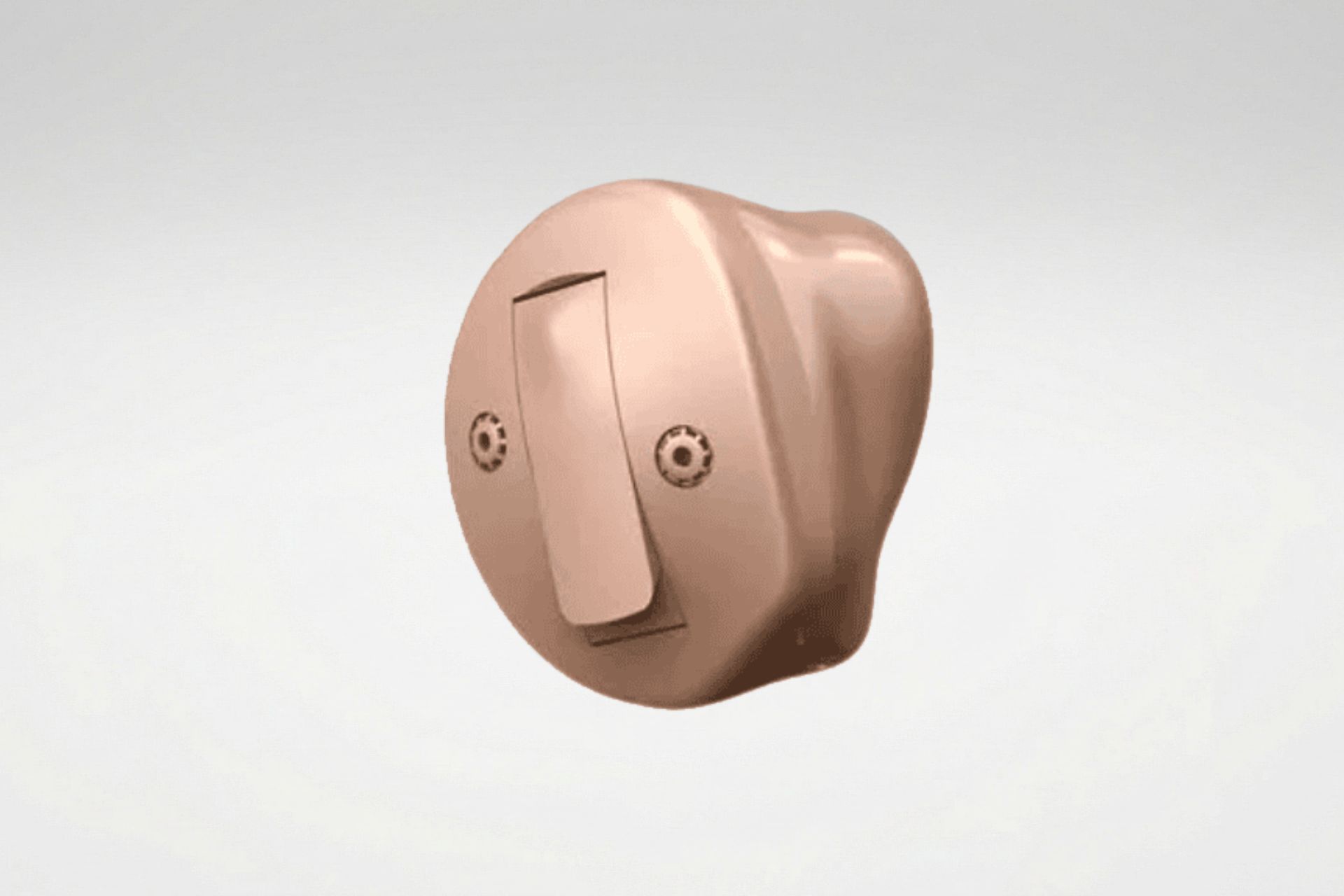
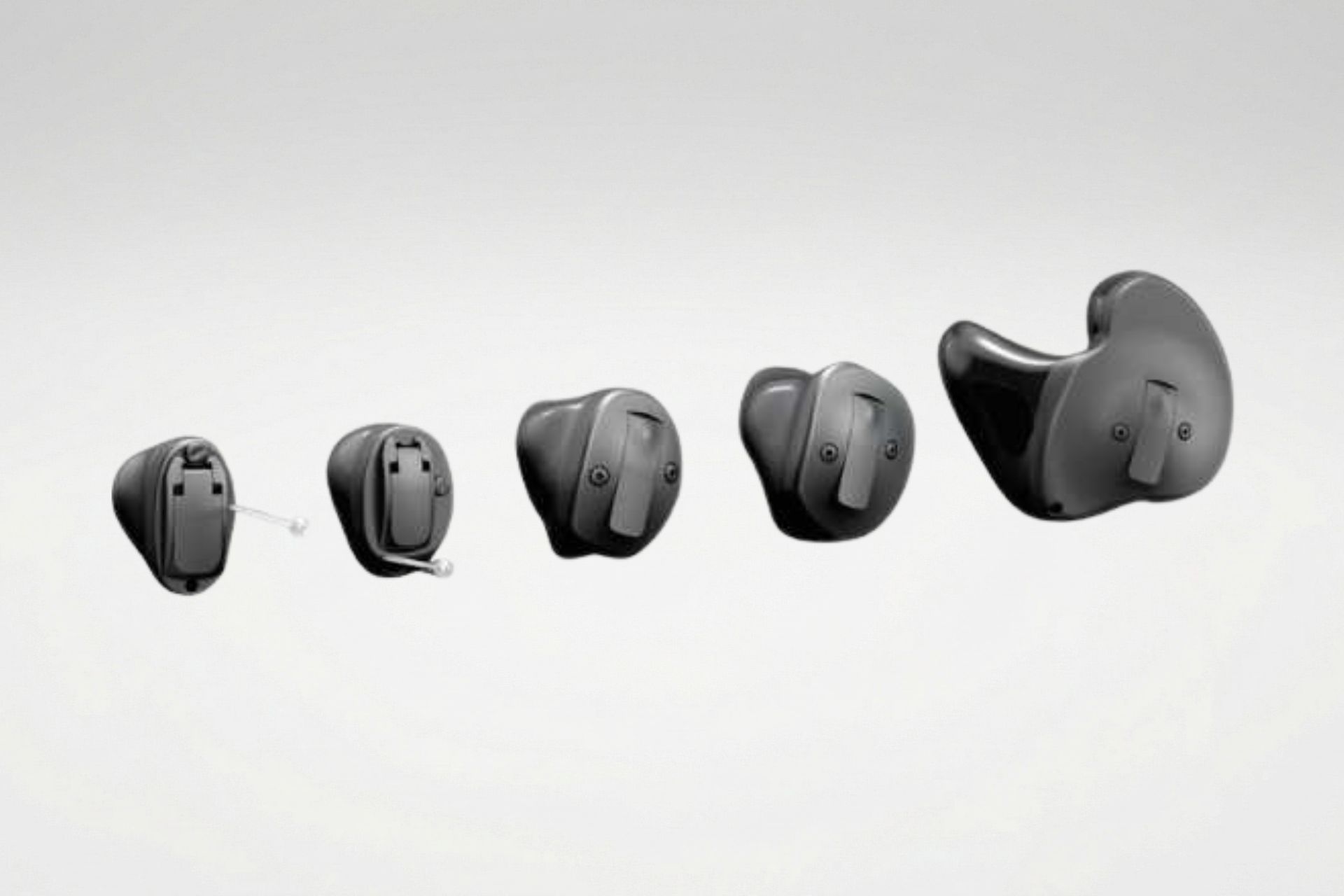
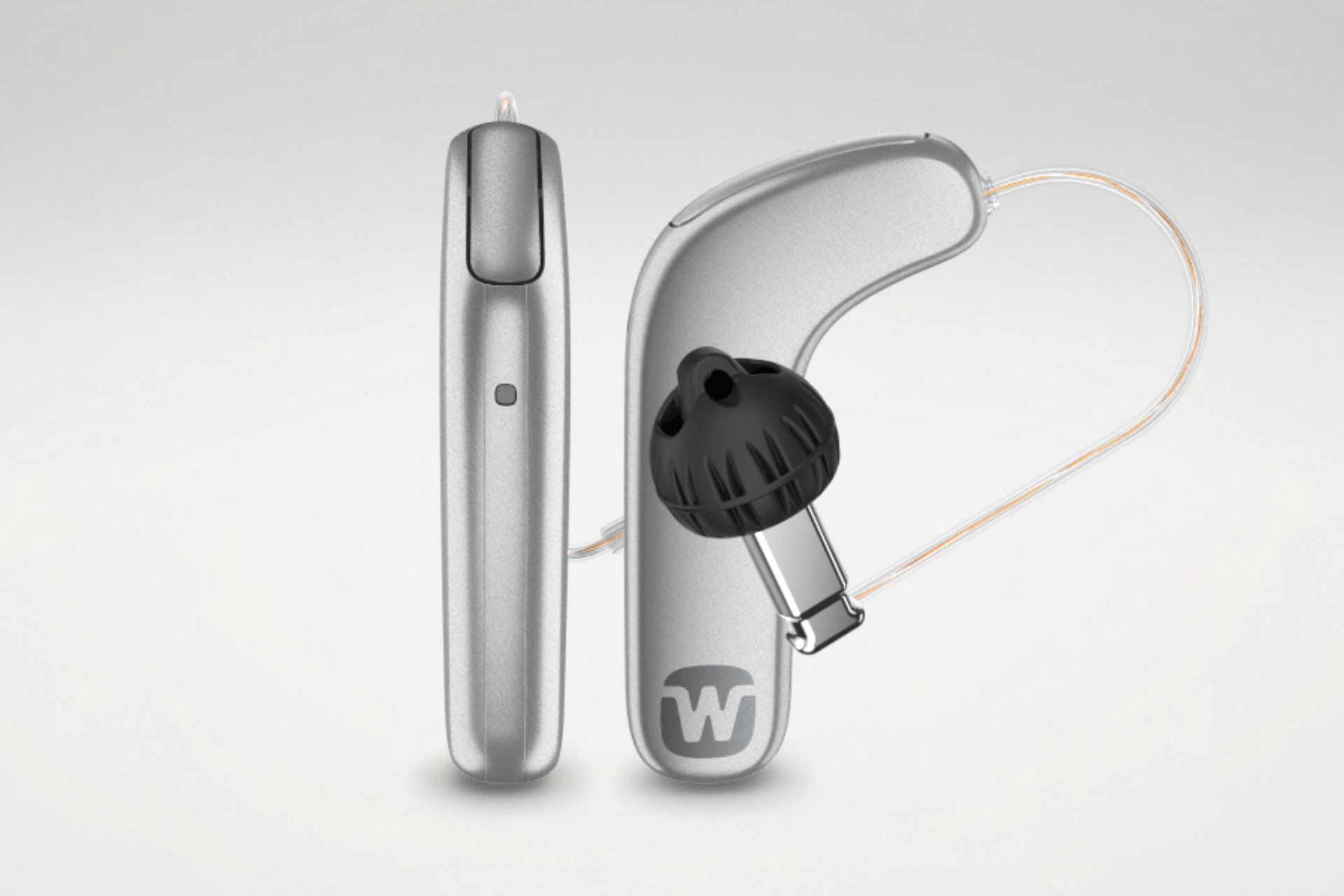
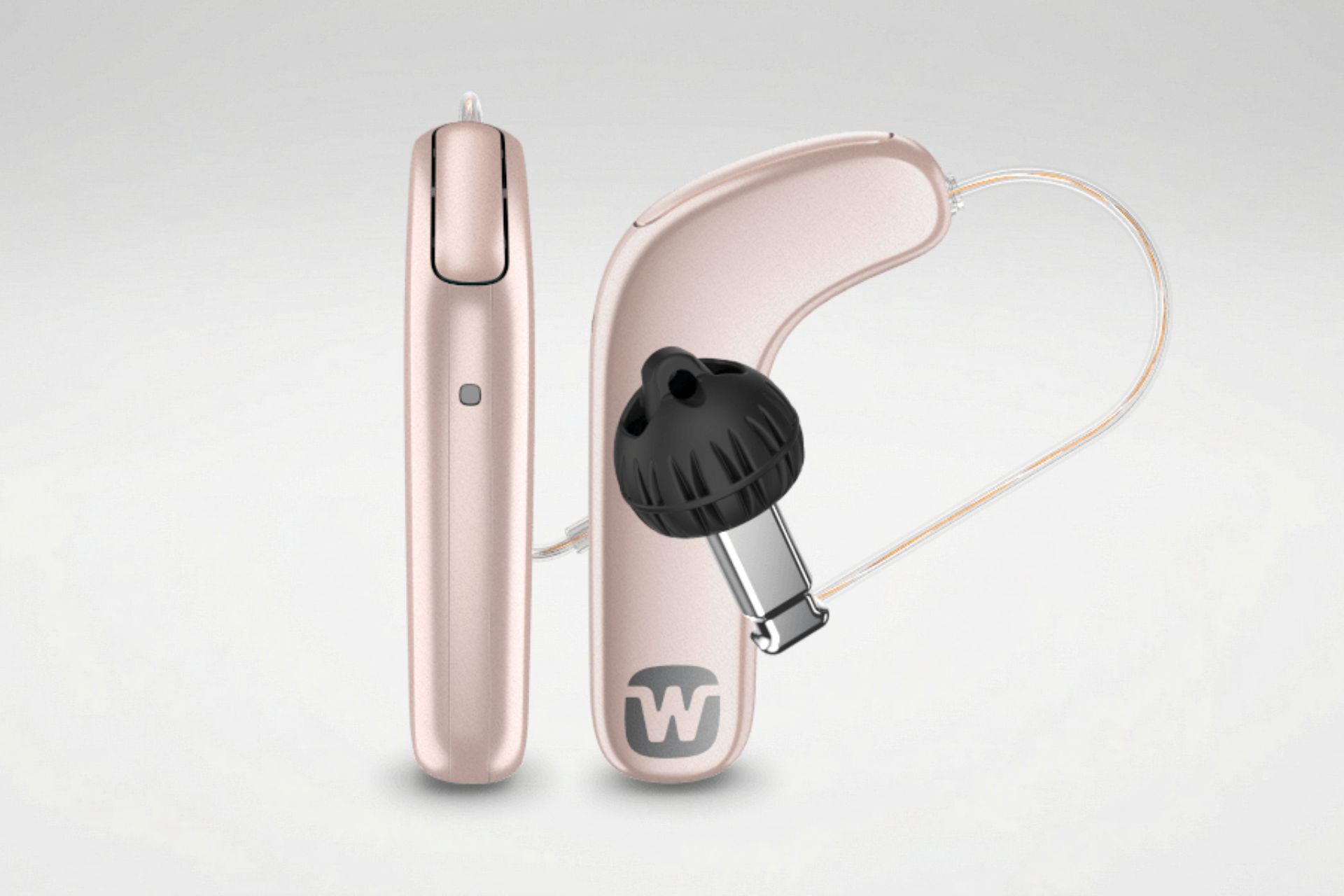
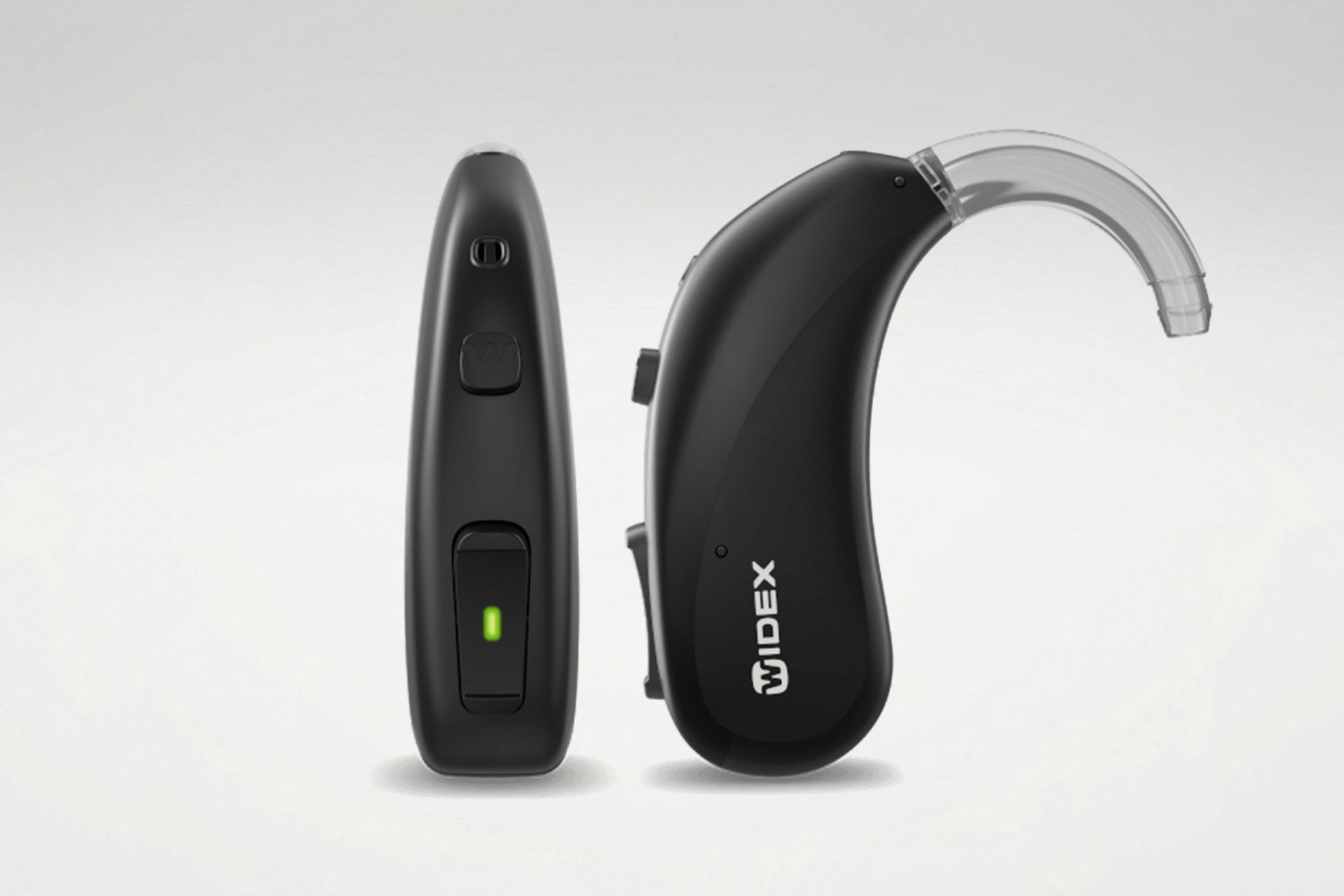
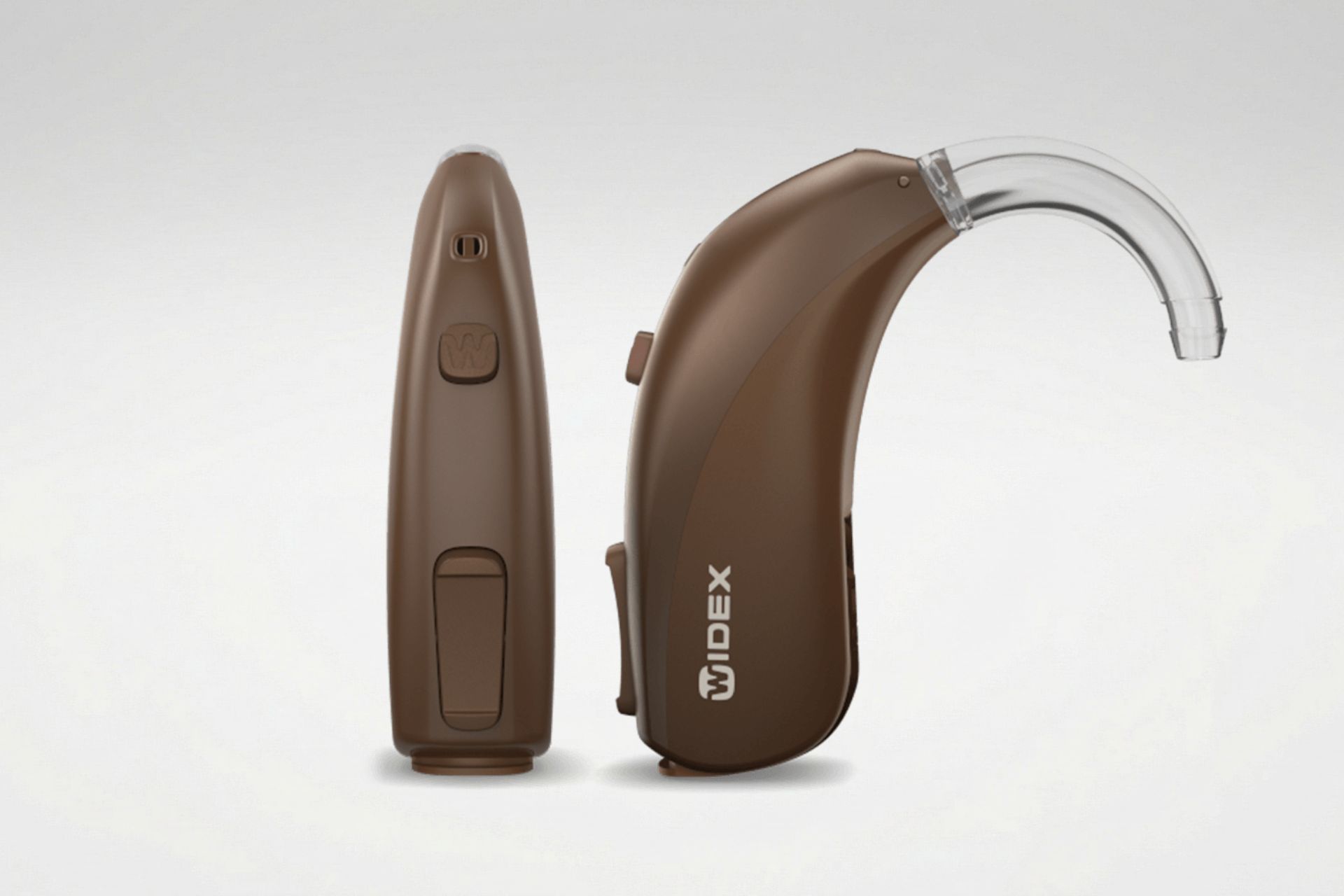
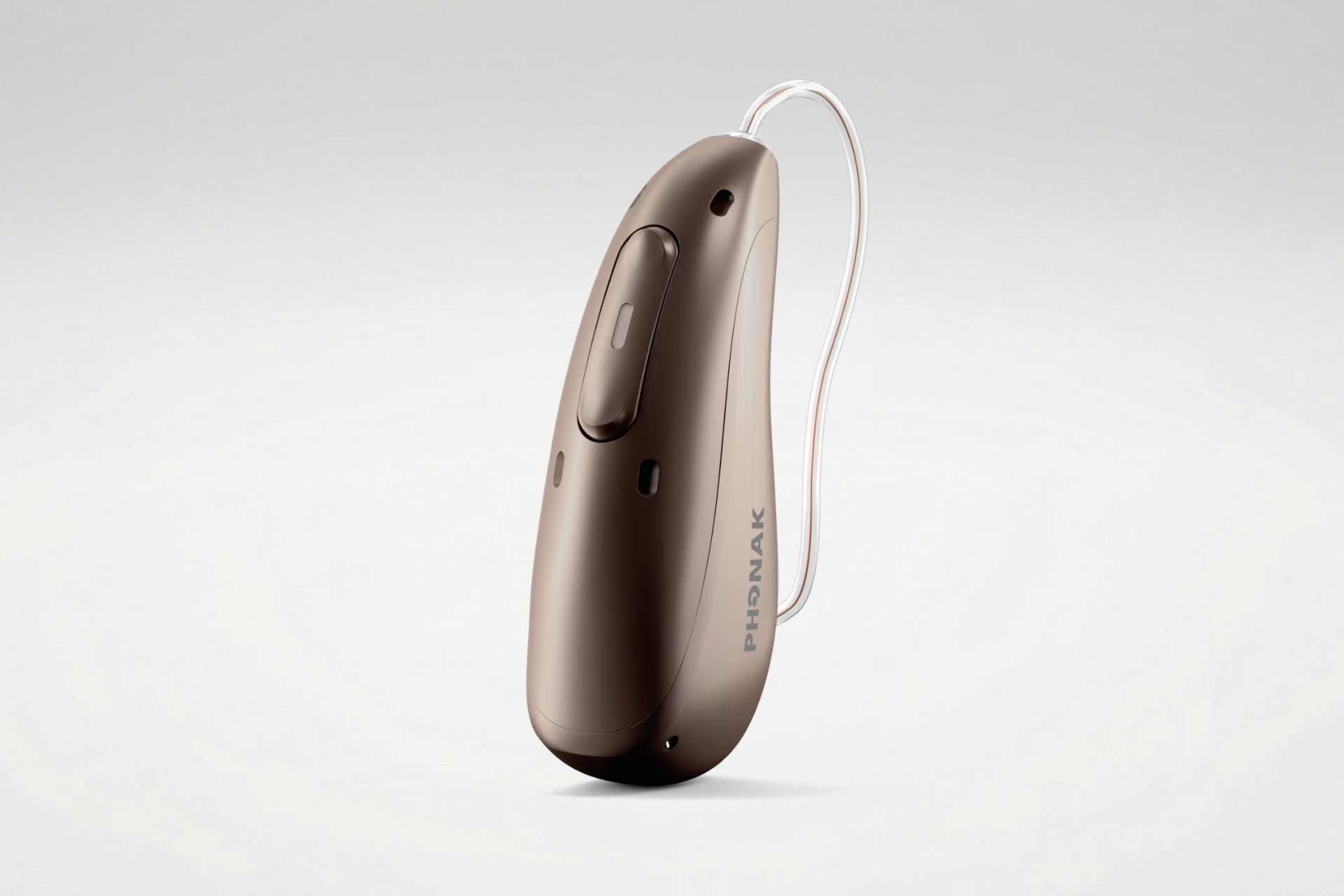
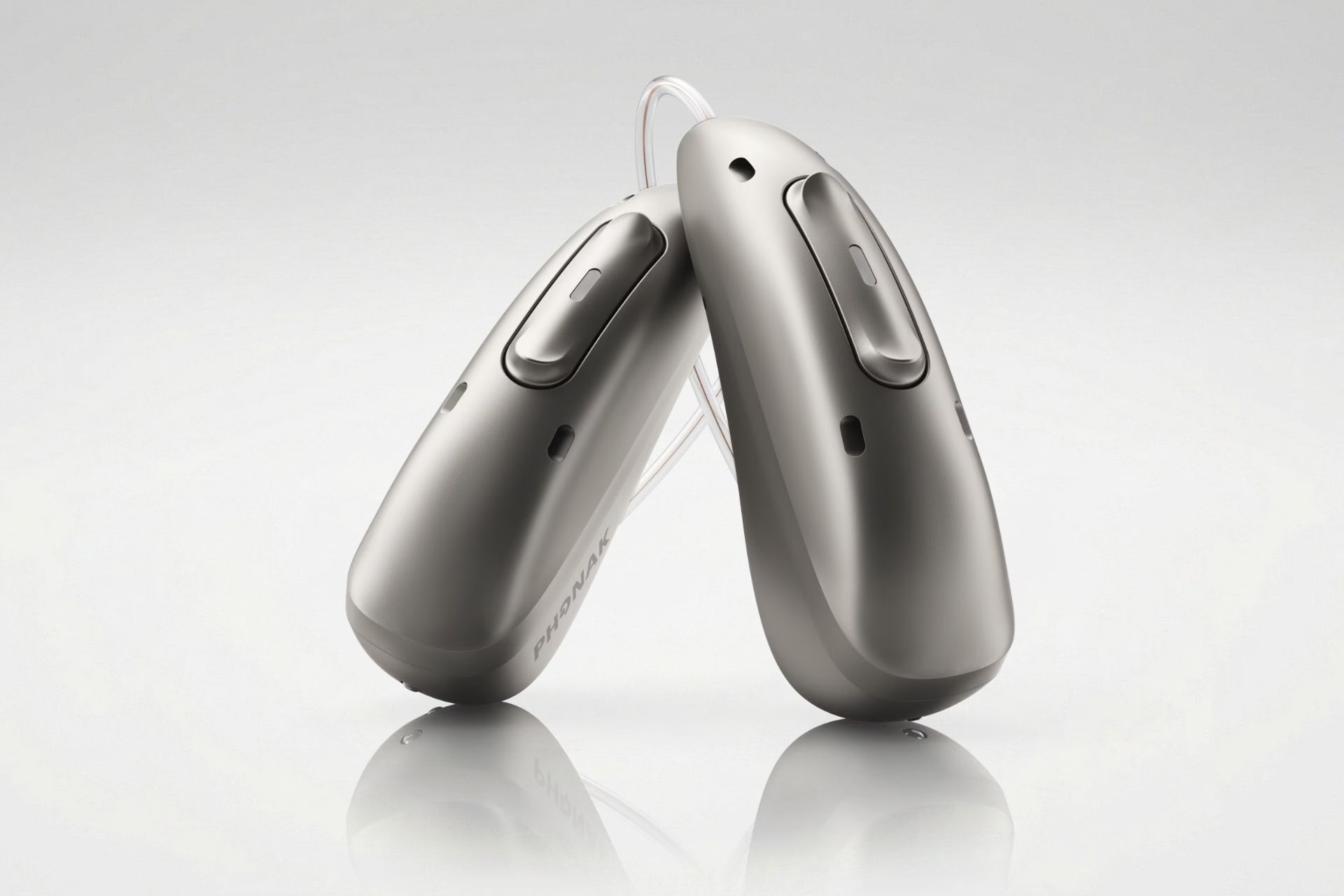
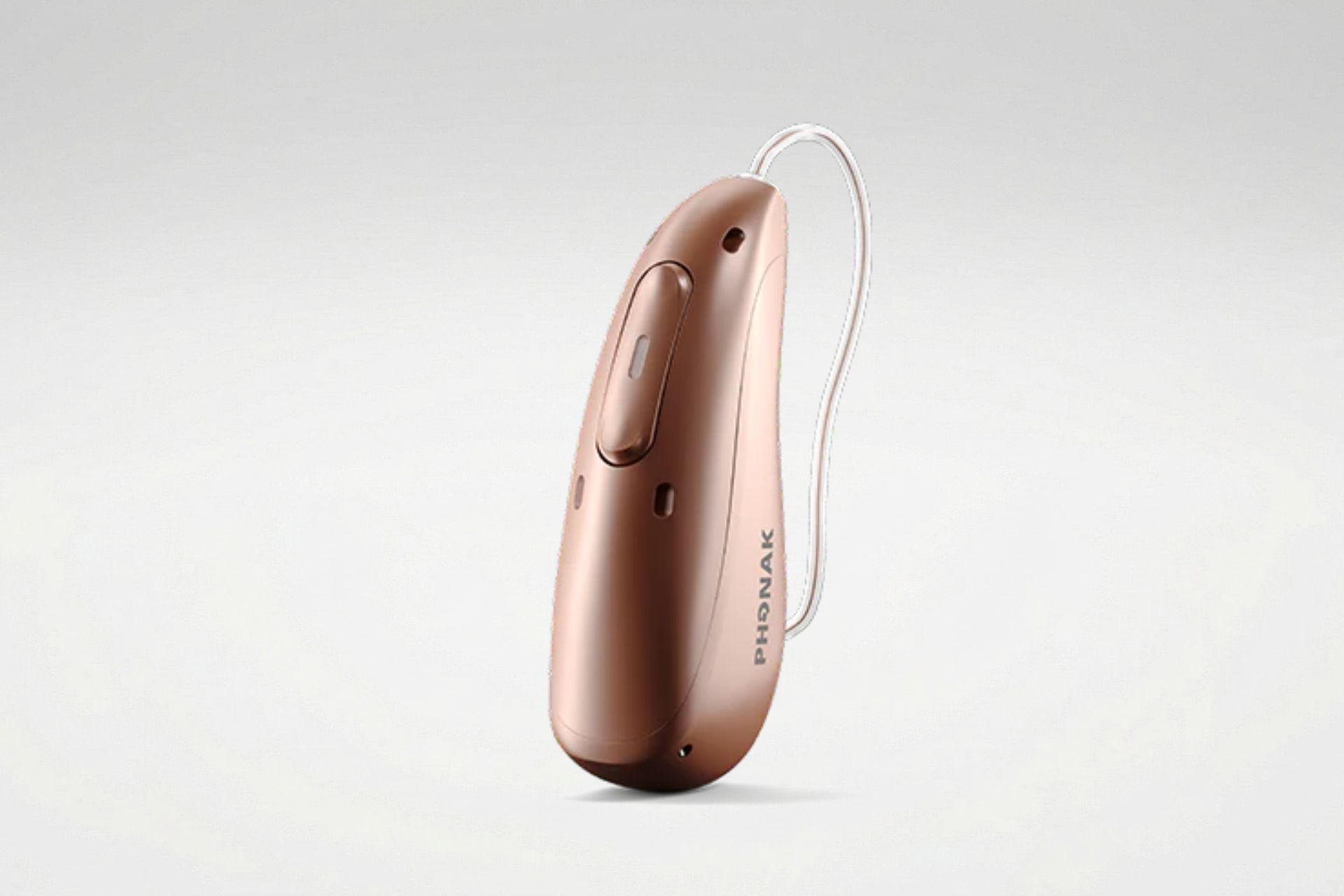
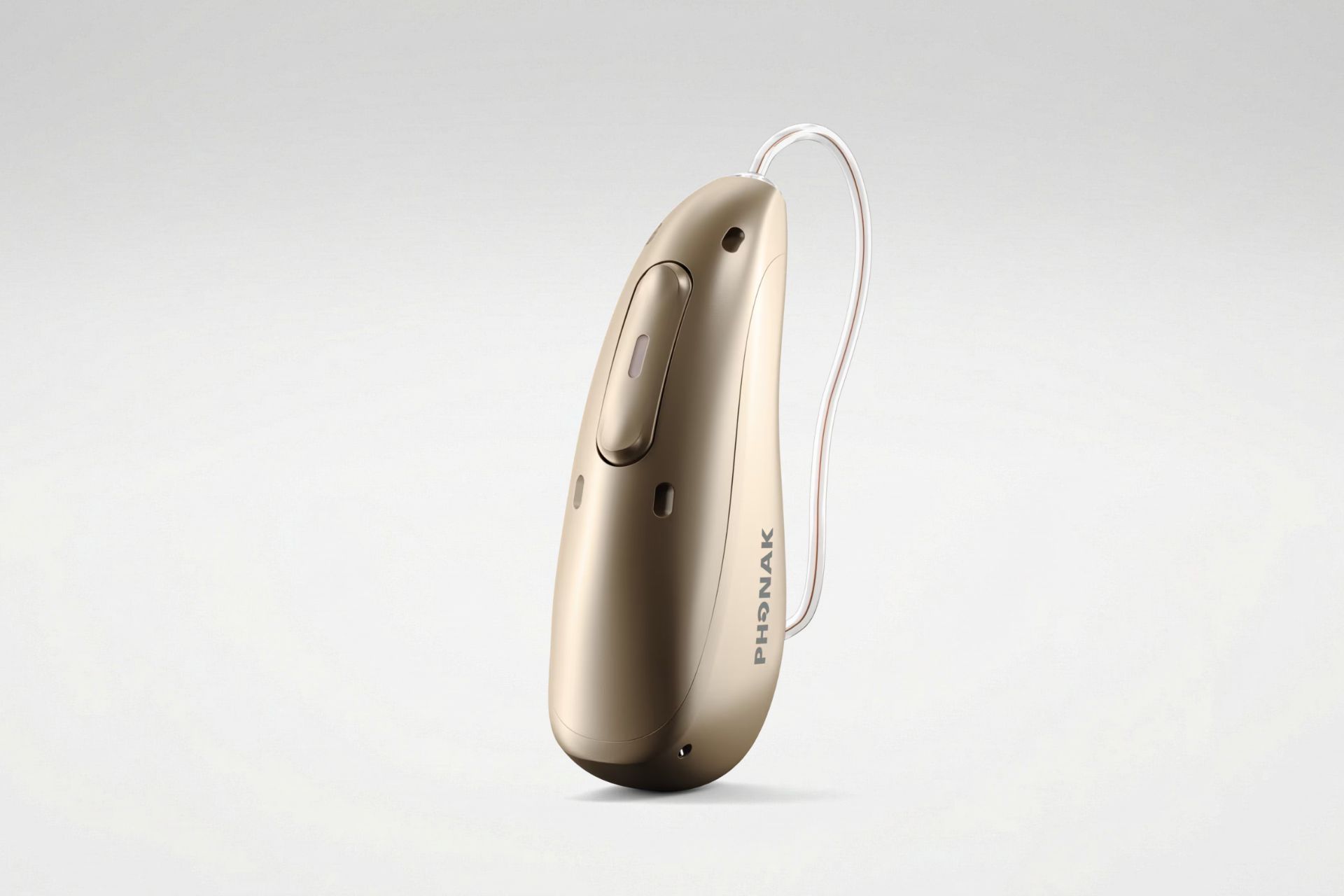
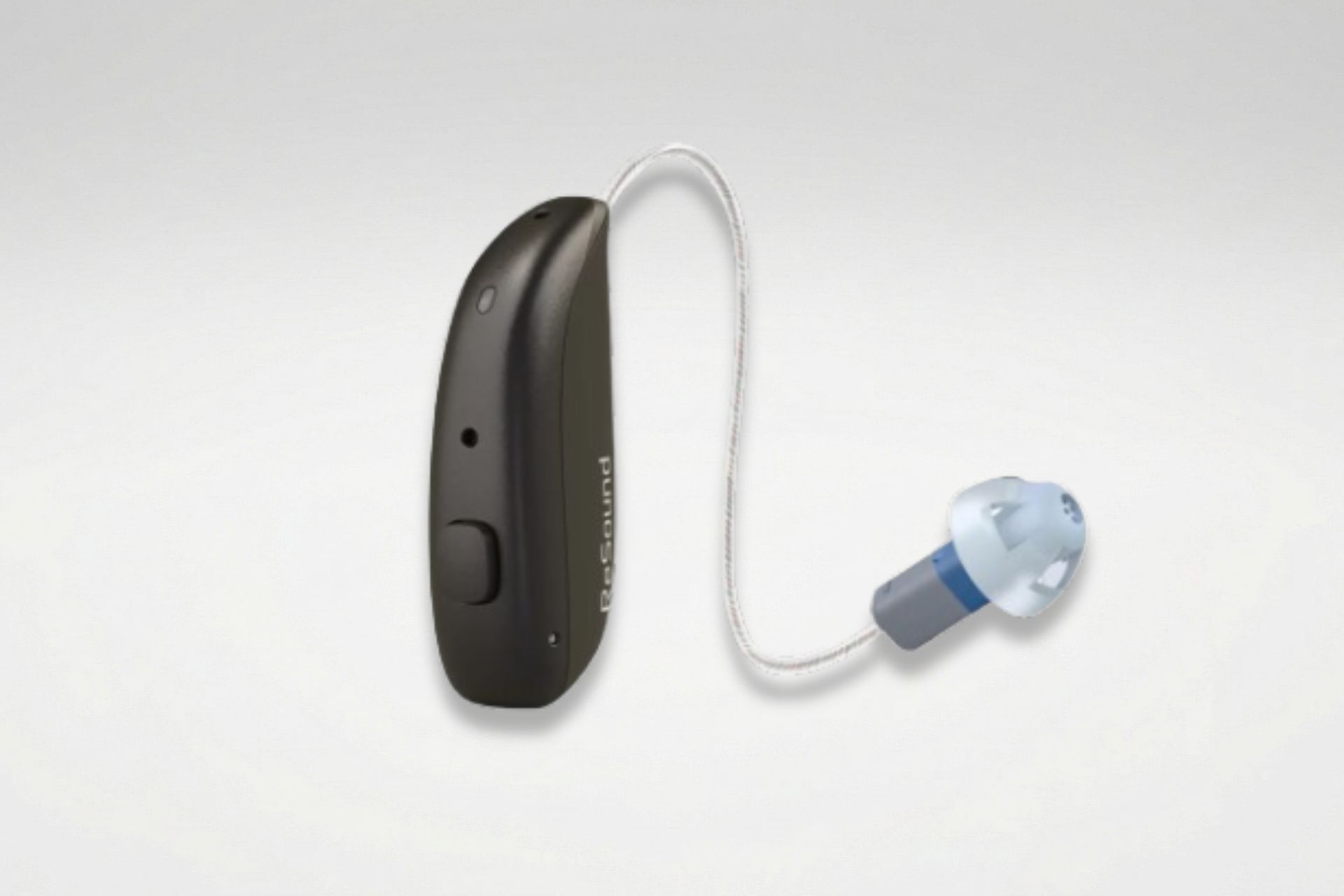
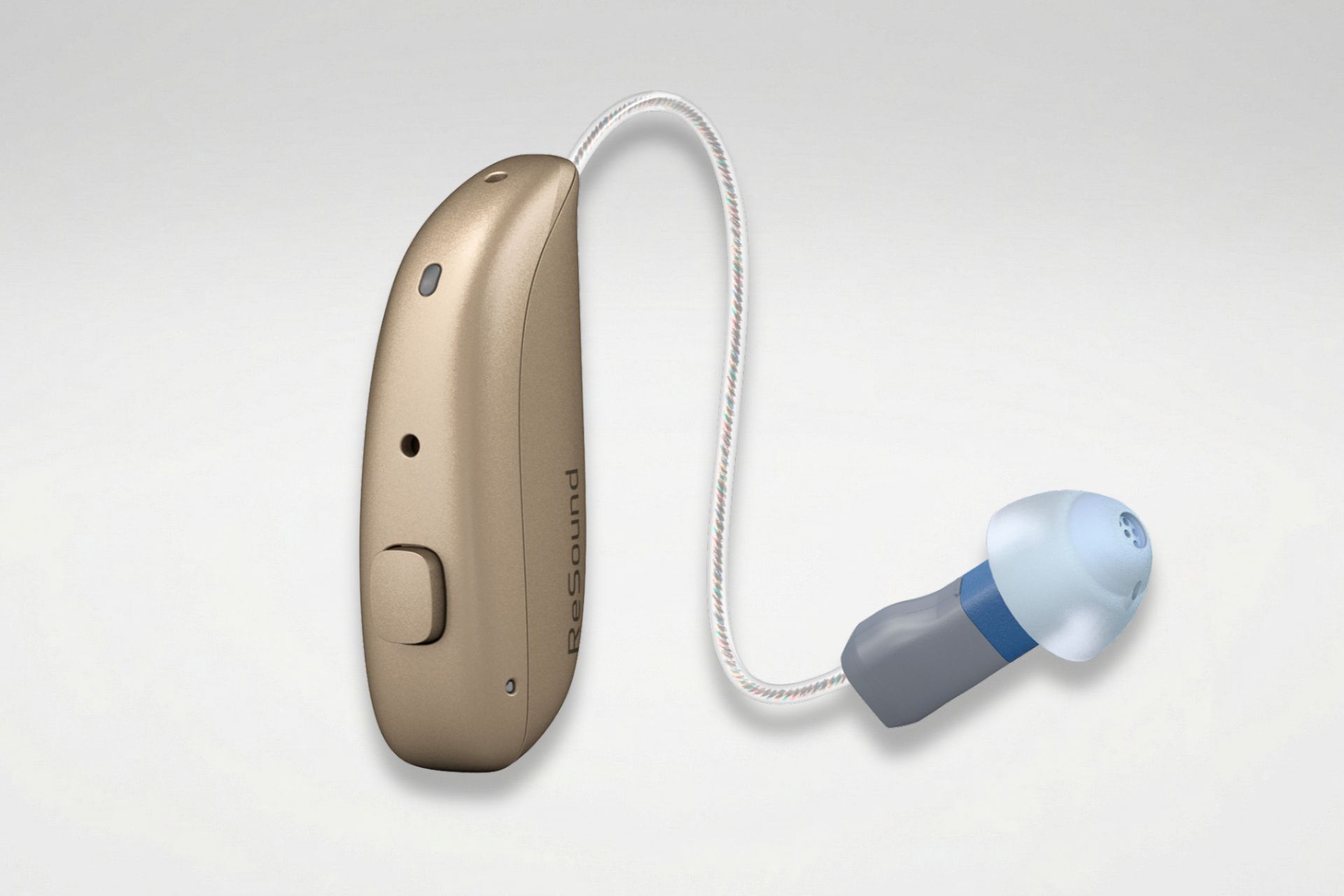
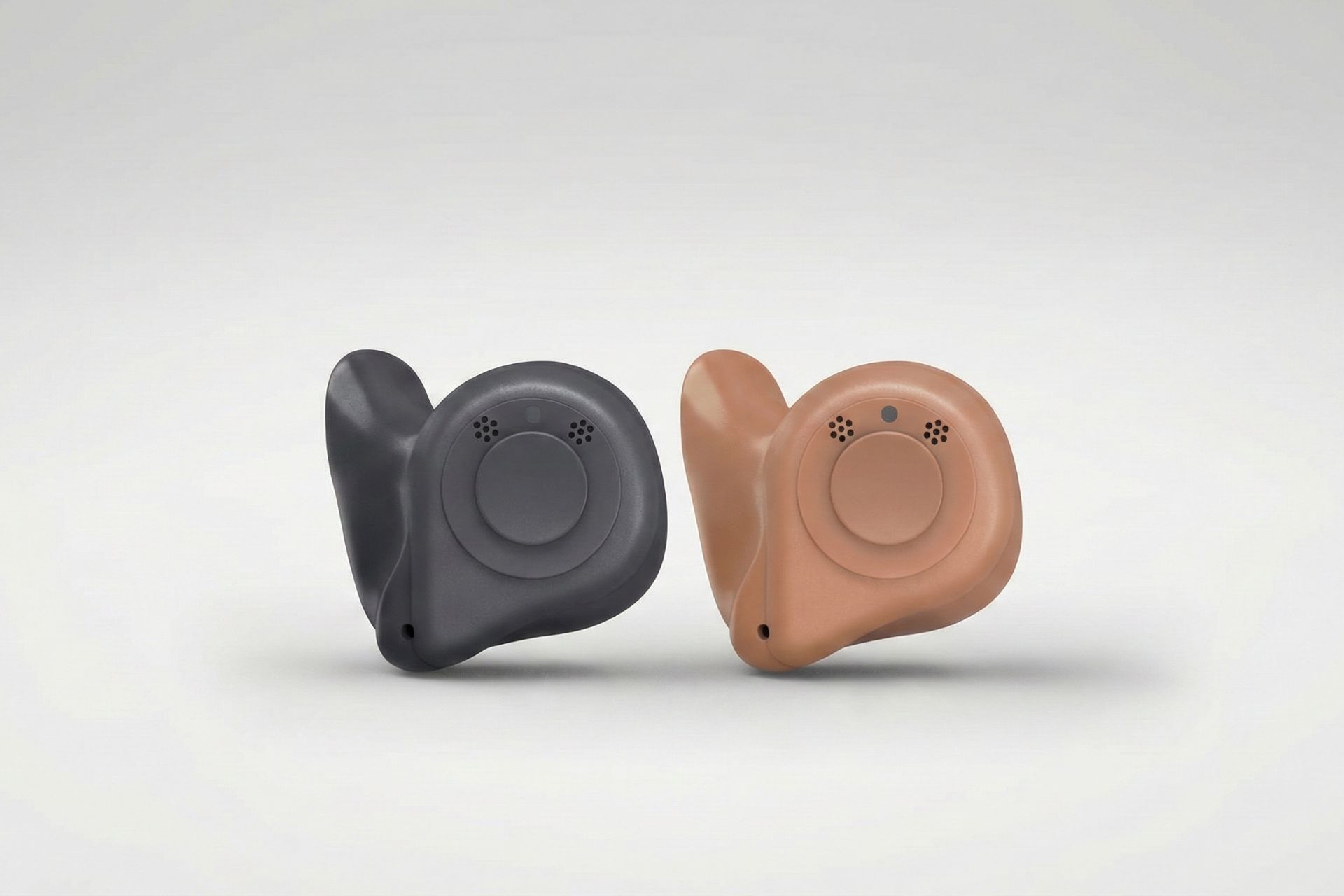
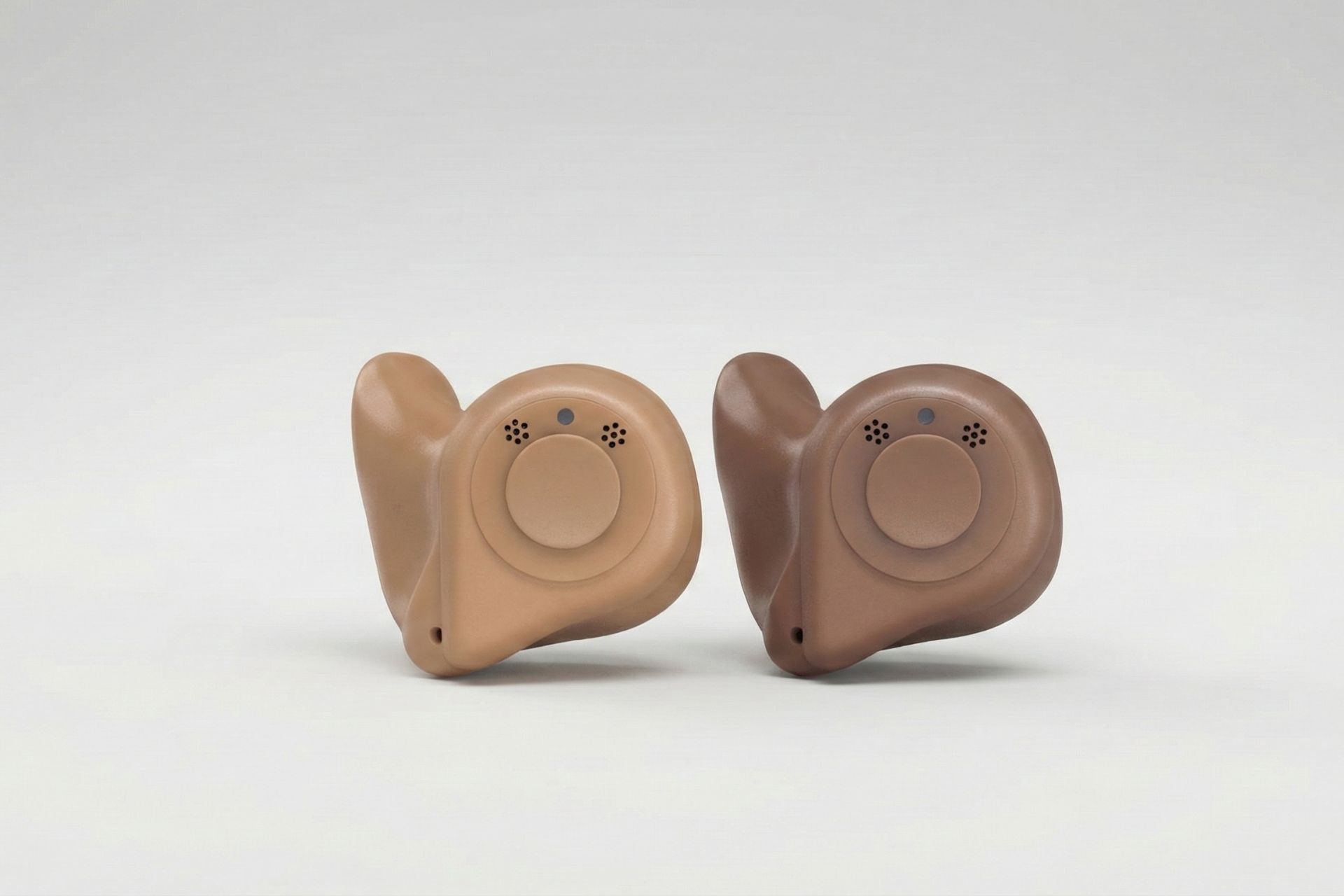
The revised CGHS/CS(MA) guidelines cover specified categories of standard digital programmable and rechargeable hearing aids, including eligible digital behind-the-ear (BTE) and digital in-the-ear (ITC/CIC) devices that meet the prescribed functional requirements.
Modern hearing aids may offer features such as:
- Digital sound processing
- Speech enhancement in noisy environments
- Rechargeable batteries
- Directional microphones
- Bluetooth connectivity on supported models
- Personalised fitting and programming
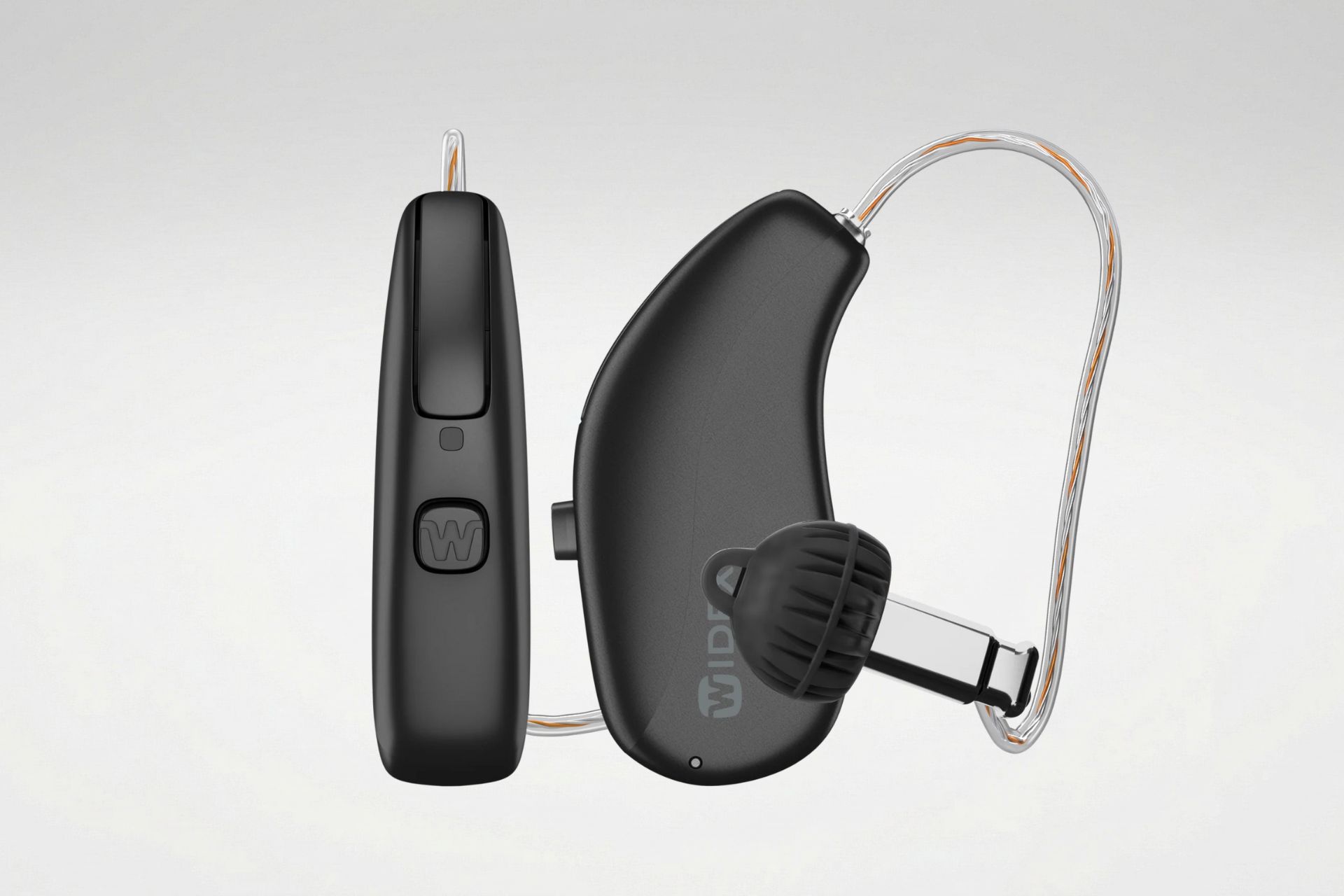
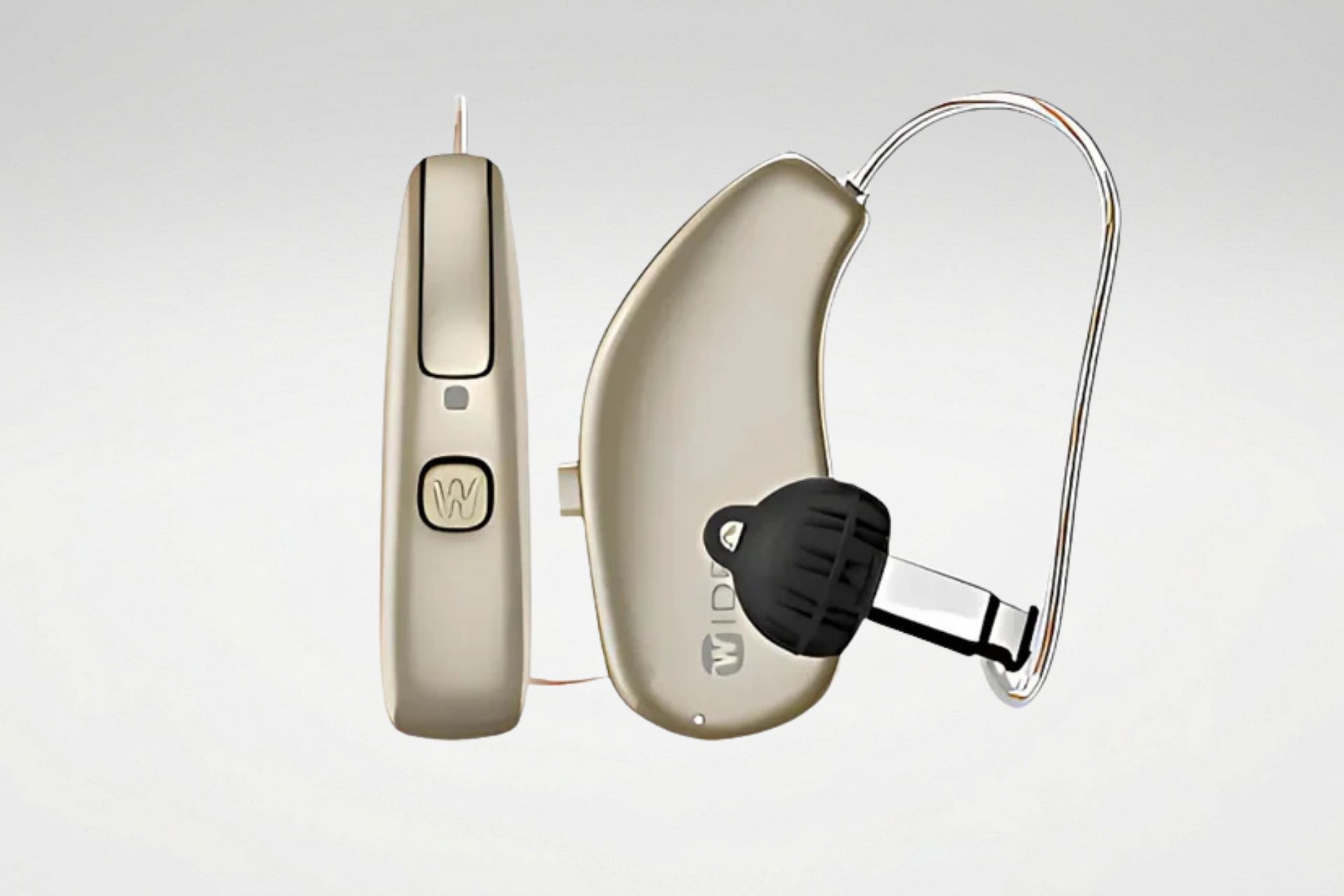
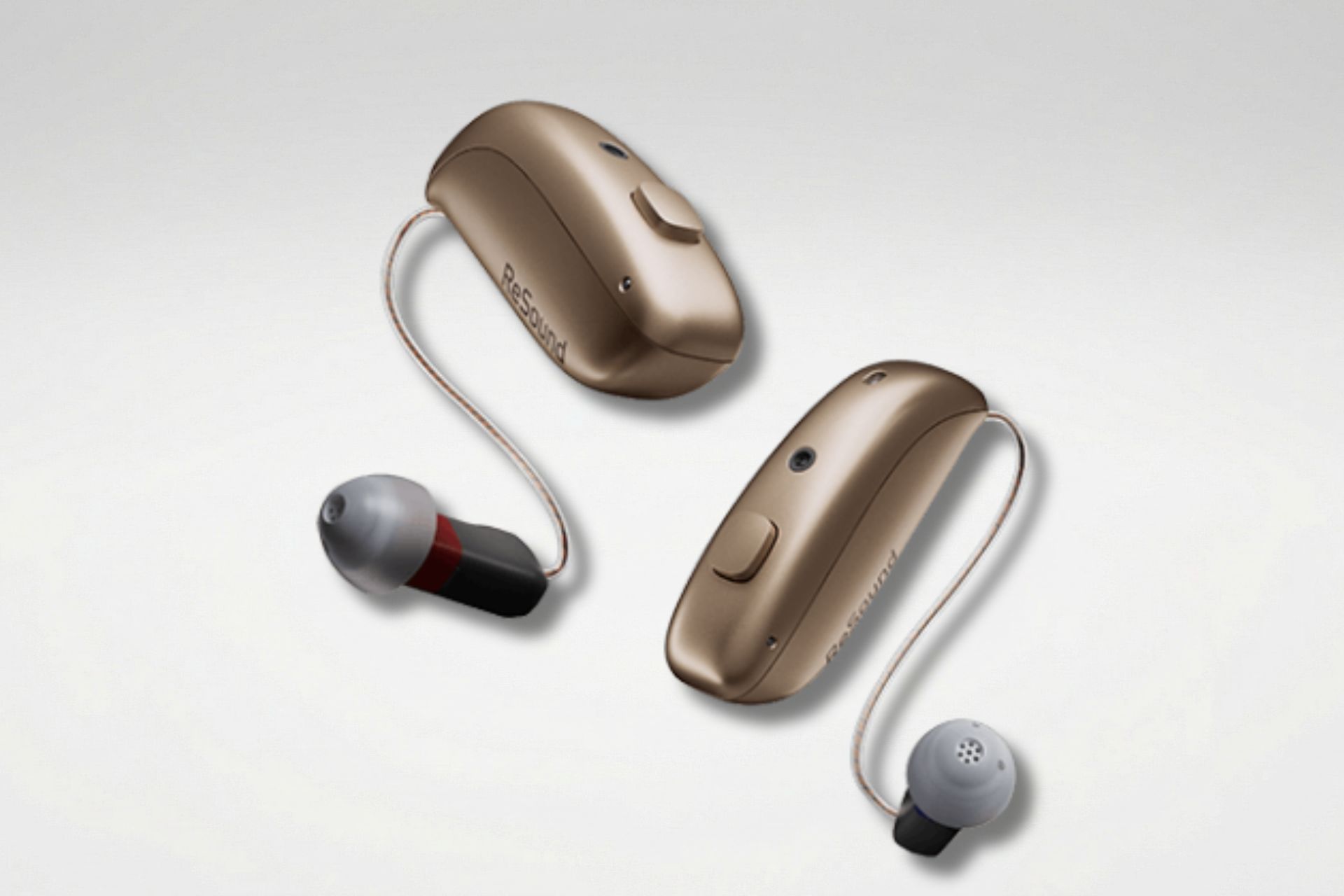
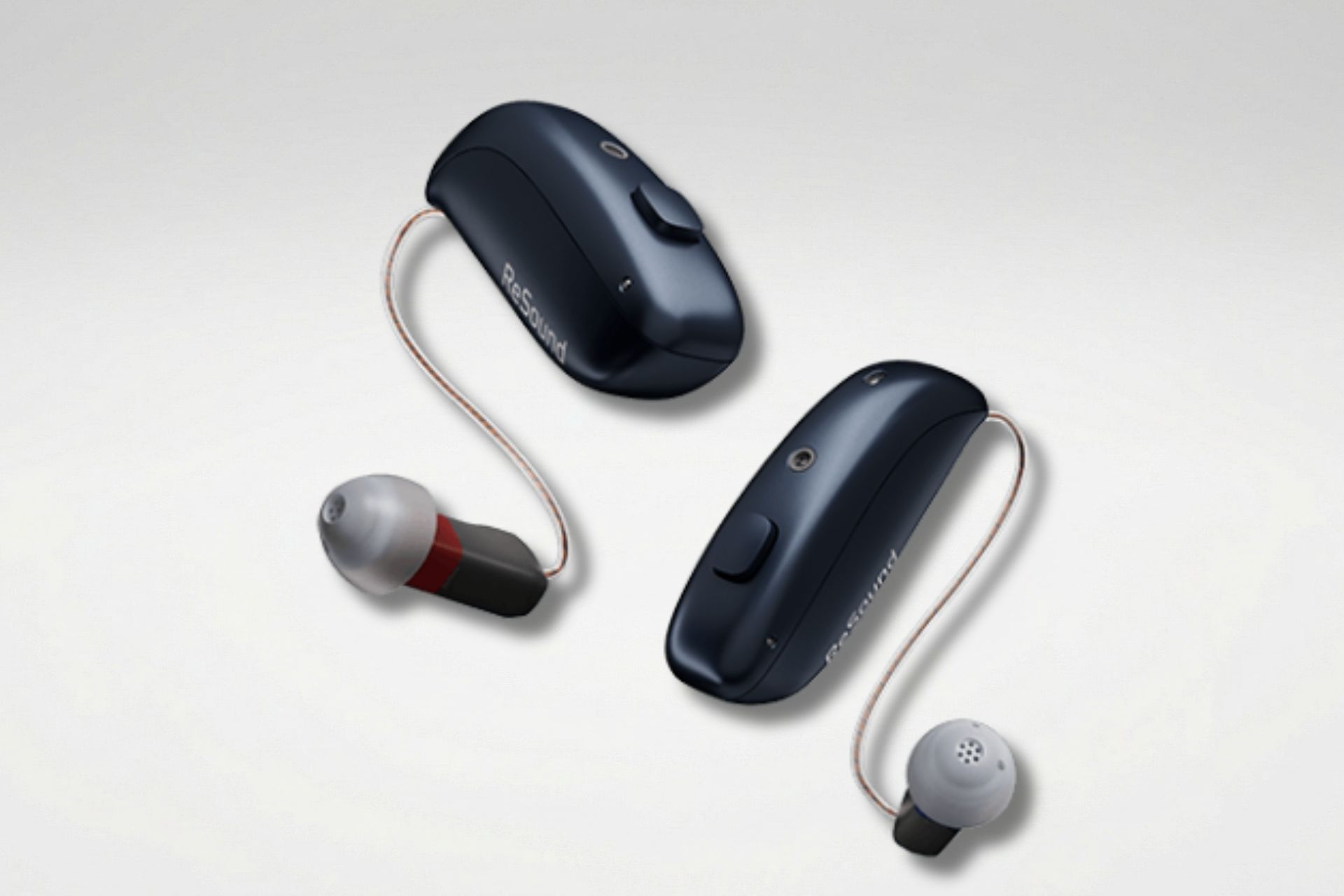
At Stilly, customers can explore hearing-aid solutions from leading brands such as Signia, Phonak, ReSound GN and Widex.
The final device selection should be guided by the clinical recommendation and applicable reimbursement specifications. A brand name or premium feature does not itself establish reimbursement eligibility.
4. How to prepare for the reimbursement process
Customers should confirm the applicable procedure with their CGHS Wellness Centre, department or competent authority before purchasing a hearing aid.
A typical preparation process may involve the following steps:
Step 1: Confirm your beneficiary status
Keep your CGHS card or relevant government medical-beneficiary identification available. Confirm which scheme applies to you.
Step 2: Obtain the required medical referral
Follow the referral procedure applicable to your scheme and beneficiary category.
Step 3: Consult an ENT specialist
The specialist should assess your hearing using appropriate audiometric and audiological tests and document your clinical requirements. Under the revised CGHS/CS(MA) guidance, the prescription should specify the clinical requirements rather than a particular commercial brand or model.
Step 4: Obtain purchase permission
Secure the required written permission from the competent authority before purchasing the hearing aid.
Step 5: Confirm previous reimbursement history
The applicable process includes a declaration concerning reimbursement for hearing aids during the preceding five years. Confirm the precise requirements with the relevant authority.
Step 6: Purchase an appropriate hearing aid
Choose a device that meets your hearing needs, the specialist’s recommendation and the applicable scheme requirements. Confirm the prescribed specifications, price, warranty and documentation before completing the purchase.
Step 7: Keep the required claim documents
Depending on the applicable rules, documents may include:
- CGHS card or relevant beneficiary identification
- Referral letter, where applicable
- ENT prescription and authenticated audiogram
- Original purchase permission letter
- Original itemised invoice with the required seller and product details
- Product serial number and applicable tax details
- Warranty certificate and relevant product packaging or labels, as required
Submit the claim to the designated office through the prescribed process.
5. Can both hearing aids be reimbursed?
Bilateral hearing-aid fitting may be considered when the medical need for both ears is clinically justified and the applicable reimbursement conditions are met.
The ENT specialist should document the clinical requirement. Approval is not automatic simply because a customer wishes to purchase two hearing aids.
Before purchasing a bilateral set, confirm the permitted amount, device specifications and documentation requirements with the competent authority.
6. How Stilly can help
At Stilly, our aim is to make exploring hearing solutions simpler and more convenient.
We can assist customers with:
- Exploring suitable digital and rechargeable hearing-aid options
- Understanding product features and available brands
- Arranging hearing-aid consultations and home trials
- Explaining the general document-preparation process
- Providing applicable product, invoice and warranty information
- Helping customers identify questions to confirm with their CGHS office or department
Our team can guide you through the hearing-aid selection process, but we do not determine government eligibility or guarantee reimbursement.
7. Book your home hearing-aid trial with Stilly
You do not have to postpone exploring better hearing because the process seems complicated.
Stilly offers home visits on request across Delhi, Noida, Gurgaon, Ghaziabad and Faridabad, subject to appointment availability.
Stilly – Better Hearing. Brighter Lives.
Book Your Home Visit for a Hearing-Aid Trial
Call / WhatsApp: +91 99106 30377
Website: www.stilly.in
Email: info@stilly.in
Visit our centres:
• Chhattarpur Centre, Delhi
• Mayur Vihar-I, Delhi
• Sushant Lok-I, Gurugram — prior appointment only
Celebrating 25 Years of Channel Partnership
Frequently Asked Questions
Can every retired Central Government employee claim hearing-aid reimbursement?
No. Eligibility depends on the person’s applicable healthcare scheme, beneficiary status, medical recommendation, permissions and other prescribed conditions.
Can retired State Government employees claim under CGHS?
Not automatically. State Government pensioners should check their state’s applicable healthcare or medical reimbursement scheme and confirm whether they qualify under any specific arrangement.
Is ₹30,000 paid automatically for each ear?
No. Under the revised CGHS/CS(MA) guidelines dated 9 September 2026, the ceiling is ₹30,000 per ear or actual expenditure, whichever is lower, subject to the prescribed conditions and approval.
Do I need permission before purchasing a hearing aid?
The revised CGHS/CS(MA) procedure includes prior purchase permission. Confirm the applicable approval process before buying.
Can I choose any hearing-aid brand?
The device must satisfy the applicable specifications and clinical requirements. The medical recommendation and approval process should follow the relevant rules; brand preference alone does not establish eligibility.
Does Stilly guarantee reimbursement?
No. Stilly provides hearing-aid guidance and assistance with product-related documentation. Final eligibility and claim approval rest solely with the relevant competent authority.
Final word
Better hearing can make everyday conversations, family interactions and social activities more enjoyable. If you are a retired government employee or an eligible beneficiary exploring hearing aids, start by confirming your healthcare coverage and the applicable reimbursement procedure.
Hear the Difference. Experience the Freedom.
Contact Stilly to explore suitable hearing aids and arrange your home trial.