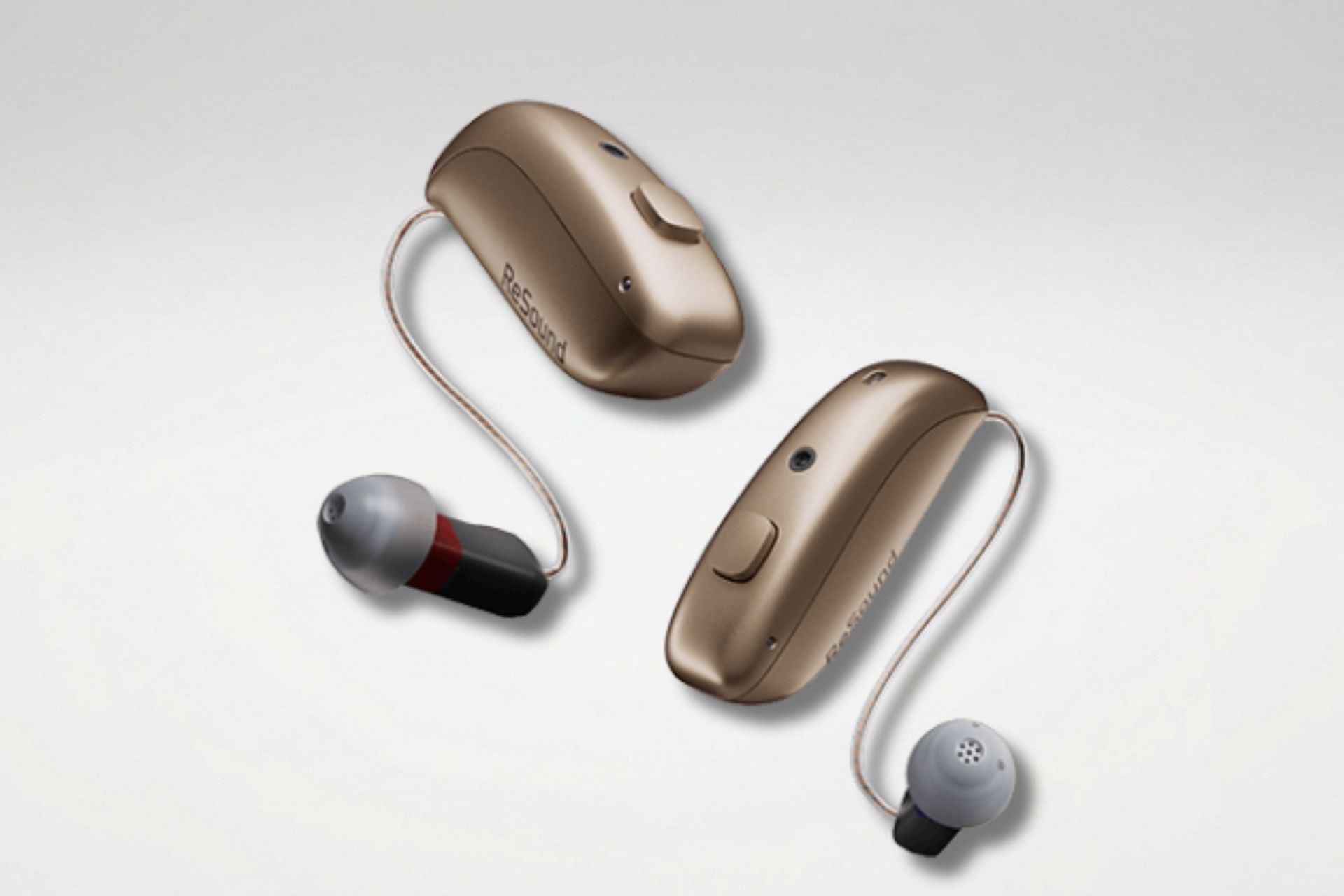
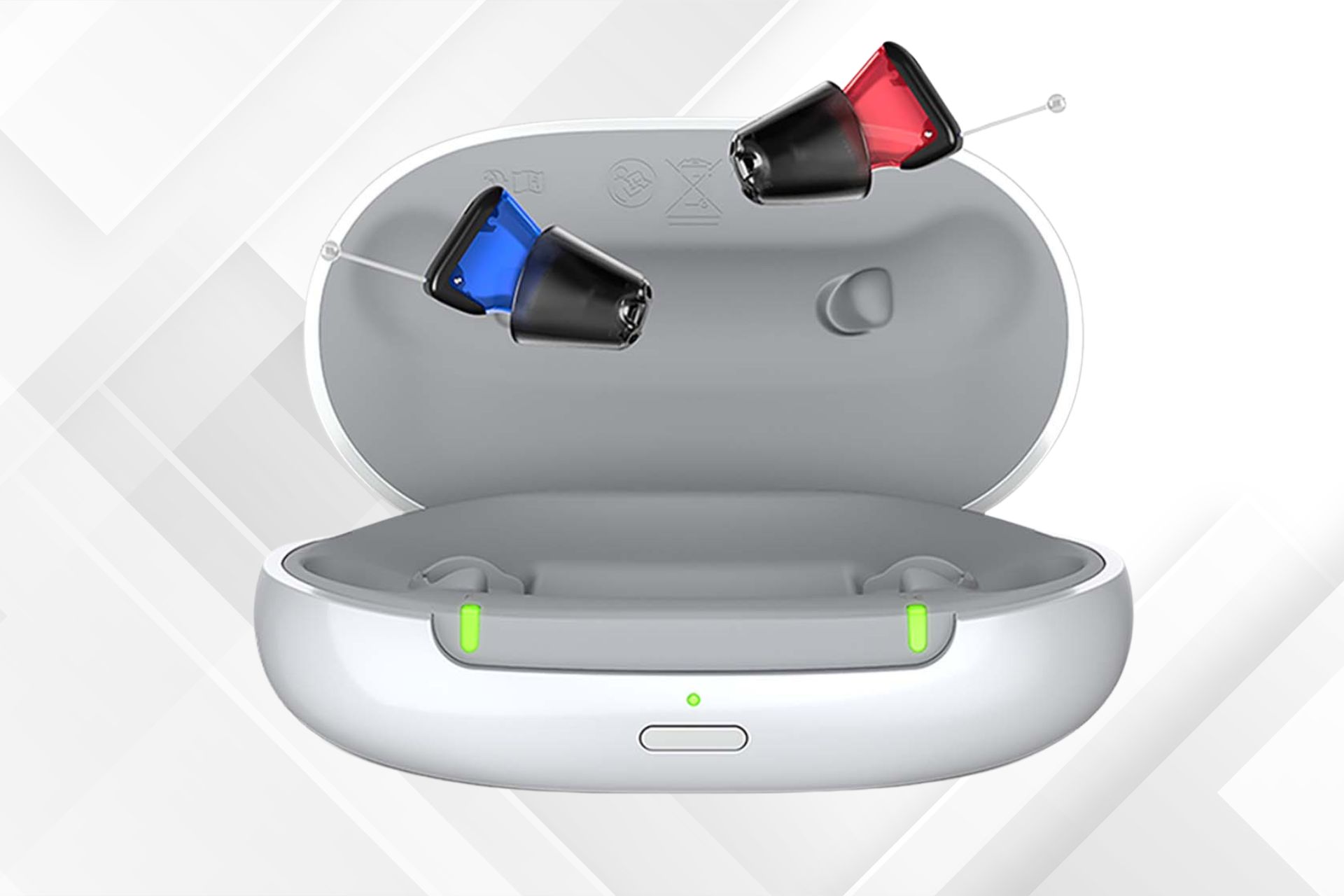
The exact capabilities vary between manufacturers and individual hearing-aid models.
A hearing aid continuously receives sound through its microphones.
The device’s processor then analyzes the incoming acoustic information. Advanced algorithms
can identify patterns associated with speech, noise and different acoustic environments.
The process happens extremely quickly, allowing the hearing aid to adapt while you are
listening.
For example, imagine you are sitting in a restaurant. There may be conversations around you,
dishes being moved, music playing and general background noise.
An advanced hearing aid can analyze this complex sound environment and apply appropriate
processing intended to make speech easier and listening more comfortable.
Machine learning is a branch of artificial intelligence that allows computer systems to identify
patterns in data and improve how they perform specific tasks.
In hearing technology, machine-learning techniques can be used to analyze large amounts of acoustic information and identify characteristics of different sound environments.
For example, algorithms can be trained to distinguish between situations such as:
This is one reason why modern AI-powered hearing aids can provide a more dynamic experience than basic amplification devices.
1. AI Can Help Improve Speech Clarity
One of the biggest challenges for people with hearing loss is understanding speech when there is background noise.
You may be able to hear someone speaking but still struggle to understand the words.
AI-based hearing technology can analyze the acoustic characteristics of speech and surrounding noise and apply signal-processing strategies intended to improve speech audibility and listening comfort.
This can be particularly useful during:
- Family conversations
- Restaurants
- Meetings
- Social gatherings
- Outdoor conversations
- Group discussions
The goal is not simply to make everything louder.
The goal is to help make important sounds—particularly speech—more accessible to the listener.
2. AI Helps Hearing Aids Respond to Different Environments
Your hearing needs can change throughout the day.
You might start your morning in a quiet bedroom, move into a busy street, enter a car, visit a restaurant and later watch television.
Each environment has a different acoustic profile.
Modern artificial intelligence hearing aids can use environmental analysis and automatic processing to respond to these changing listening conditions.
This can reduce the need for the wearer to manually change settings every time the environment changes.
3. AI Can Help Manage Background Noise
Background noise is one of the most common complaints among hearing-aid users.
In a crowded environment, several sounds may reach your ears simultaneously.
Advanced hearing aids can use digital signal processing and machine-learning-based techniques to analyze these sounds and apply noise-management strategies.
Depending on the technology, the hearing aid may process:
Speech + Noise → Analyze → Separate/Manage Sound Components → Optimize Output
The objective is to provide a more comfortable and intelligible listening experience.
4. AI Can Support a More Natural Listening Experience
Older amplification technologies sometimes made environmental sounds feel unnaturally loud.
Modern hearing aids are designed to provide more sophisticated processing.
AI and advanced signal-processing technologies can help the device respond differently to different types of sounds.
For example, the processing applied to speech may differ from the processing applied to environmental sounds.
This can help create a listening experience that feels more balanced and comfortable.
5. AI Hearing Aids Can Learn From
Listening Environments
Some advanced hearing technologies incorporate machine-learning approaches that can recognize patterns in listening environments.
The more sophisticated the system, the better it may be able to identify acoustic situations for which it has been designed.
However, it is important to understand that not every AI hearing aid learns in exactly the same way.
Some systems primarily use machine-learning models trained before the hearing aid reaches the user, while others may incorporate personalization or user feedback.
Therefore, when comparing AI hearing aids, it is worth asking your hearing-care professional exactly what the AI technology does.
6. AI and Directional Hearing
Understanding where sound is coming from can be important during conversations.
Modern hearing aids may use multiple microphones to determine characteristics of sound arriving from different directions.
Advanced processing can then be used to support listening in particular environments.
For example, during a conversation, the technology may be designed to emphasize sounds coming from the direction of interest while managing unwanted background sounds.
This can be particularly valuable in restaurants, meetings and group environments.
7. AI Helps With Listening in Noisy Places
A quiet room and a crowded restaurant present completely different hearing challenges.
In quiet environments, speech may already be relatively easy to detect.
In a restaurant, however, there may be:
- Multiple conversations
- Plates and cutlery
- Air-conditioning
- Music
- Kitchen noise
- Chairs moving
- General crowd noise
Advanced AI hearing aids can classify or analyze the acoustic environment and apply appropriate processing strategies.